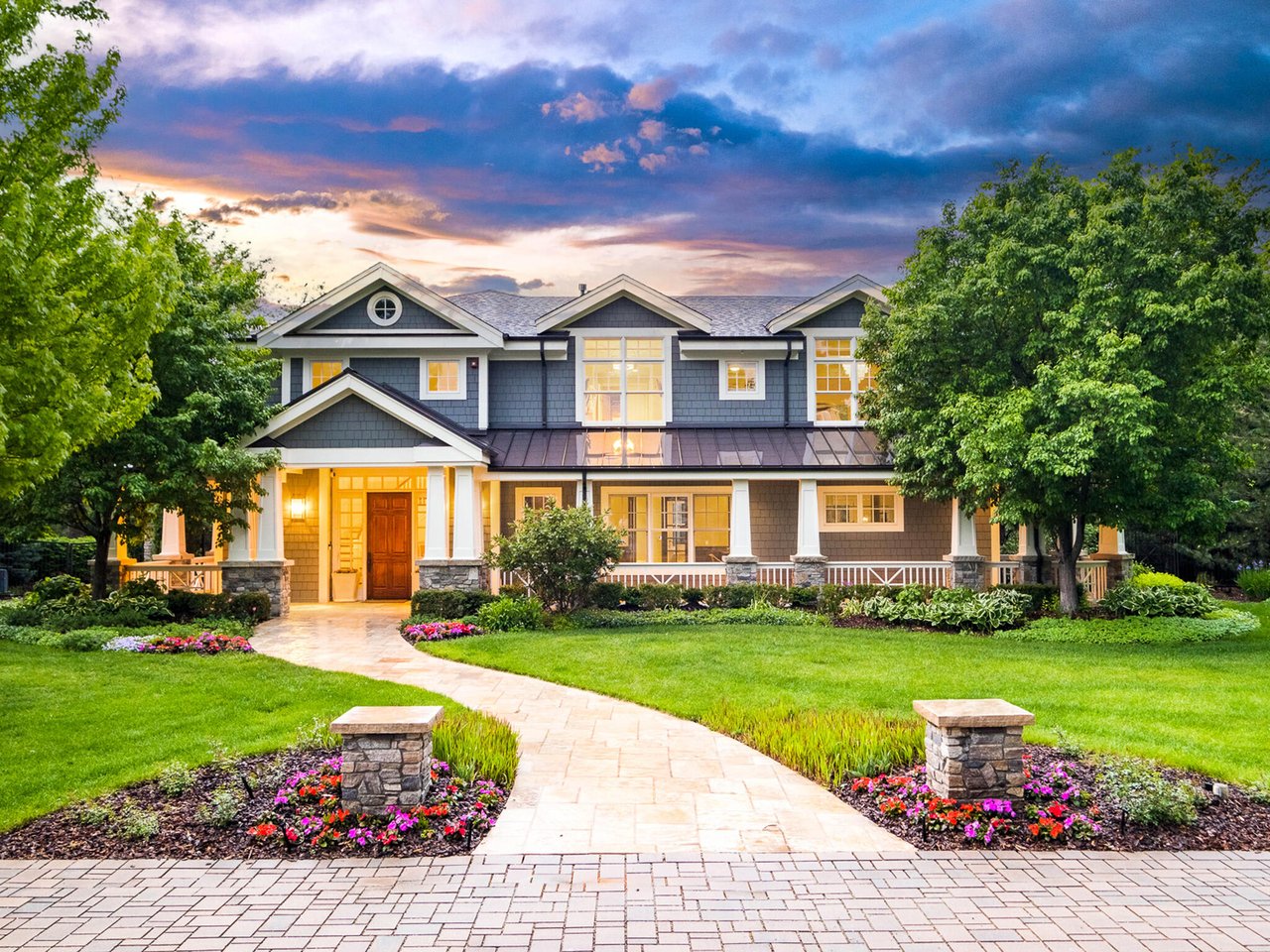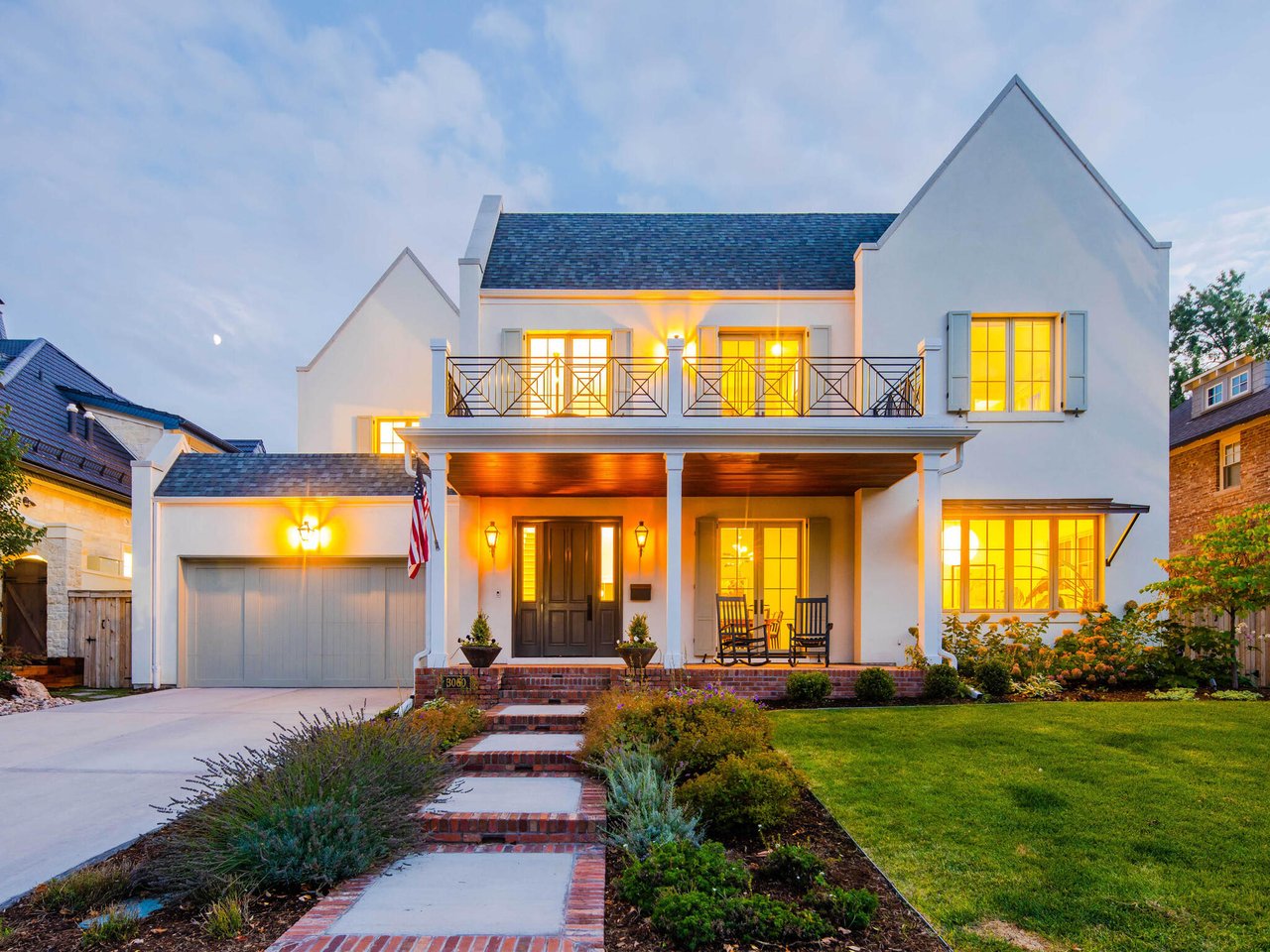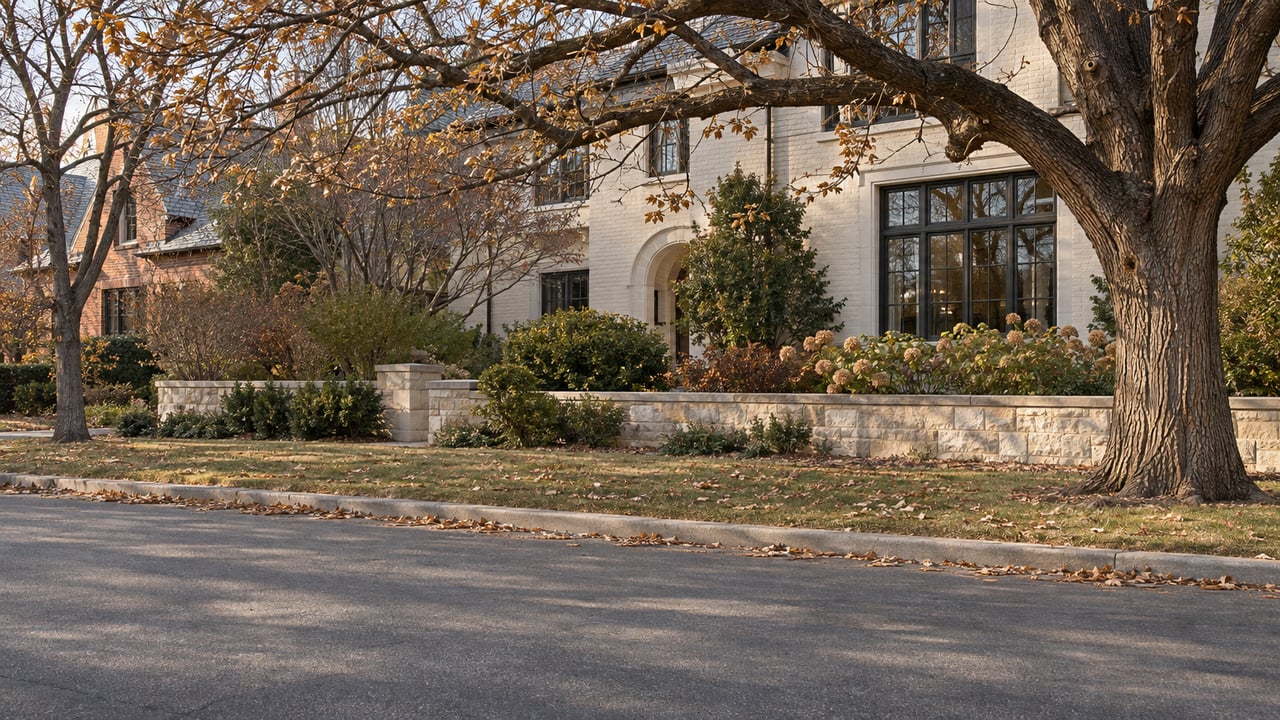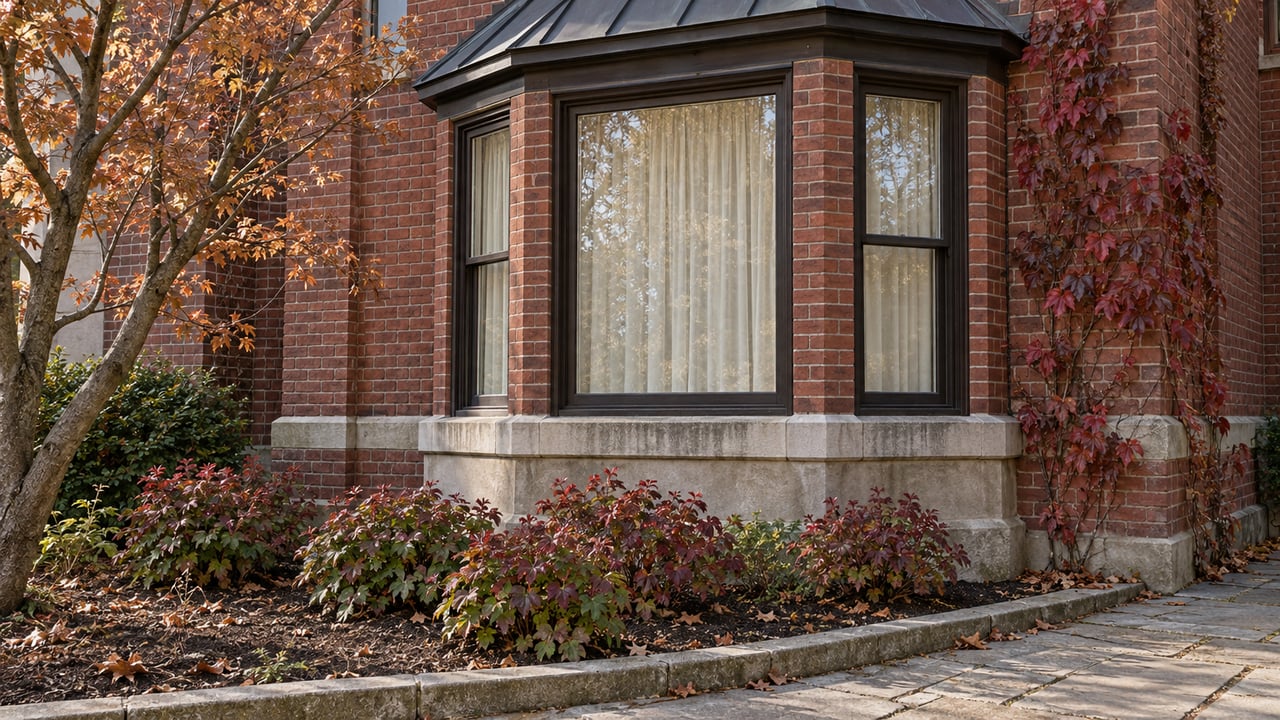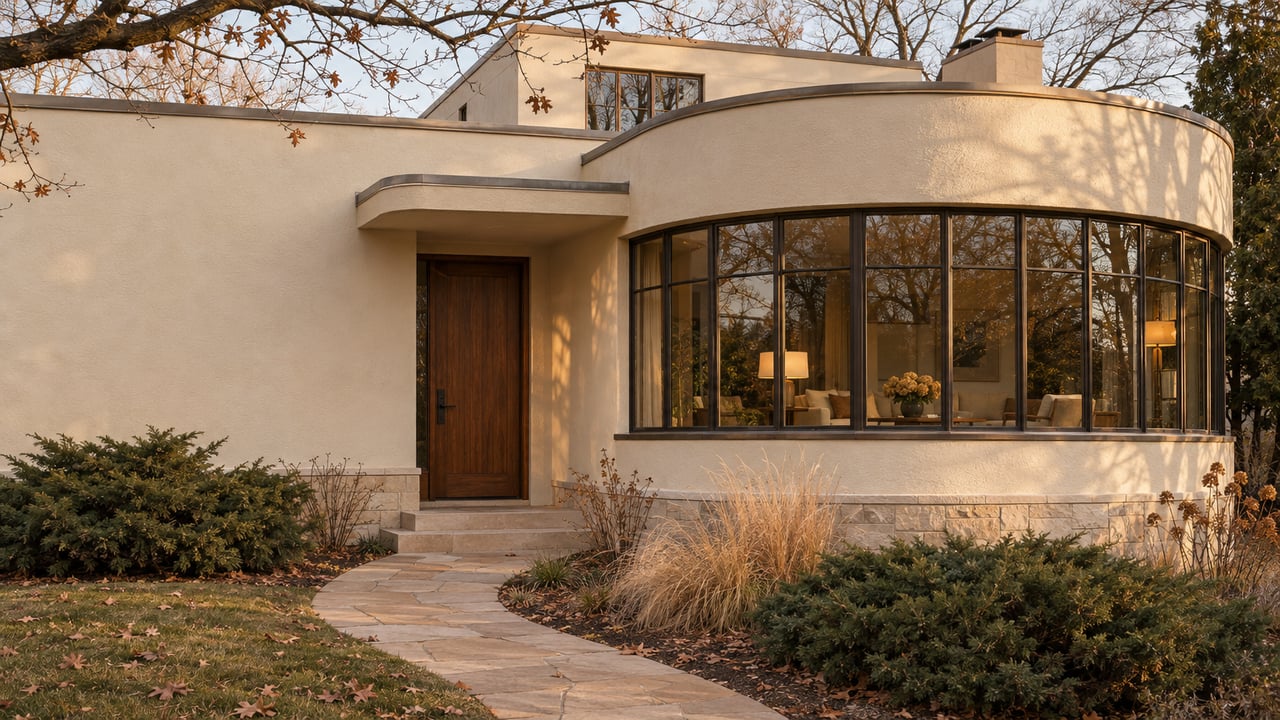
The house on the corner where Bonnie Brae Boulevard meets Ellipse Park is easy to pick out, even in a neighborhood known for steep Tudor roofs. As The Denver Post described it this spring, it has rounded walls and modern windows that let in a lot of light. The house is 801 S. Ellipse Way. It was built in 1939, and it came to market in May at $4 million. BusinessDen reported that the seller bought it in 1986 and did a full renovation about three decades later.
A few blocks away, at 890 S. Milwaukee St., is a different kind of modern house. It went up on a corner lot near Bonnie Brae Park after a builder paid $1.2 million for the property in August 2021. The new 8,000-square-foot house takes its cues from Miami's South Beach Art Deco, and it sold for nearly $8 million, the top sale in the Denver metro for December, according to a BusinessDen report published in January 2025.
These two houses show how Bonnie Brae prices architecture. The neighborhood was built one custom house at a time, and a lot here still sells as land plus one owner's design decision. The 1939 original and the new Deco-inspired build are competing for the same buyer, someone who wants a modern house on a curving street near the park. They reach that buyer by two very different routes to a price.
A neighborhood that was always built one commission at a time
Bonnie Brae began with a plan and then had to wait for its houses. The Bonnie Brae Neighborhood Association's history says the developer, Associated Industries, went bankrupt in 1928, and most of the land fell to the city for tax debt. As the Depression set in, the neighborhood grew "on a house-by-house basis," which produced the mixed architecture still visible today. Bonnie Brae Park, the elliptical centerpiece of Saco DeBoer's street plan that many still call Circle Park, was built in 1936, and houses filled in around it. Custom building picked up in 1940, the postwar boom filled most of the land east of the park, and the last original homes were finished in 1956.
The modern houses come from the slow early years. A Historic Denver context study of the 1930–1945 era names Lester Jones, William Boorman, Thomas Moore and Robert Max Morris as the architects who built "a number of significant International-style residences" in Bonnie Brae between 1935 and 1939. TheDenverEye credits one Streamline Moderne house on Bonnie Brae to Lester Jones, with a 1938 design date. The Art Deco photography site Decopix found a small group of these streamlined houses along Bonnie Brae Boulevard itself, in a neighborhood where most homes have no Deco or Moderne features at all.
The association's own summary of the housing stock describes the Tudor with a high-pitched roof as the style people associate with Bonnie Brae. It also describes "an eclectic mix of Spanish, Bauhaus, Postmodern, and International design," plus the blond-brick postwar ranches north of Bonnie Brae Boulevard. The neighborhood has roughly 650 to 700 homes, depending on whose count you use, so the prewar modern houses are a small share of an already small neighborhood.
Why the land carries so much of the price
The association's history describes how the houses have changed since the neighborhood filled in. As owners wanted more space, the result was additions and pop-tops, along with "original Bonnie Brae houses being scraped and replaced often with much larger homes."
So the first thing a buyer prices in Bonnie Brae is the lot. The 890 S. Milwaukee purchase shows what that cost: $1.2 million in August 2021 for a corner lot near the park, before any new construction. A little over three years later, the finished house sold for nearly $8 million, more than six times what the builder paid for the property.
The builder was Michael Piccirillo of Piccirillo Signature Homes. He chose an Art Deco design, the same style family as the neighborhood's 1930s originals, and built it at a scale none of them reach: seven bedrooms, eight baths, a six-car garage and a pool. That choice says something about demand here. A builder going after the top of the Denver market in 2021 looked at the curving streets around the park and judged that a Deco design would sell.
| 801 S. Ellipse Way | 890 S. Milwaukee St. | |
|---|---|---|
| Built | 1939 | New construction on a 2021 lot purchase |
| Style | 1939 modernist, rounded walls | Inspired by South Beach Art Deco |
| Setting | Corner of Bonnie Brae Blvd and Ellipse Park | Corner lot near Bonnie Brae Park |
| Recent history | Owned since 1986, full renovation about three decades later | Property bought for $1.2 million in August 2021 |
| Price | Listed at $4 million, May 2026 | Sold for nearly $8 million, reported January 2025 |
For the new build, the price is the land, the construction and the size. For the original, much of the price rests on something that can't be added later: a 1939 design on a corner the street plan set aside for it, kept up by one long-term owner who renovated it rather than replacing it.
How far above the neighborhood average both houses sit
On our Bonnie Brae neighborhood page, the average sale price for 2025 was $2,138,023, down 9.3 percent from 2024, with homes averaging 44 days on market in 2025. The $4 million asking price at Ellipse Way is close to twice that 2025 average. The nearly $8 million sale on Milwaukee Street, reported in January 2025, was more than three and a half times the 2025 average.
Neither house is a typical Bonnie Brae sale, and that is the point. A 9.3 percent drop in the 2025 average says a lot about the Tudors and postwar ranches that make up most sales. It says little about a house whose value depends on one architect's design or on one builder's decision about scale. Buyers at that level are not choosing among dozens of similar houses. They are choosing among a few, and sometimes one.
What the wider luxury market says this fall
The metro numbers back up the idea of a thin market that moves fast for the right house. The Denver Metro Association of Realtors' October 2026 report, released November 4, shows the $1 million-and-up segment flat for the year through October, with 4,878 closings against 4,890 for the same period in 2025. Over that same year-to-date window, median days on market was 16, sellers received 98.27 percent of list price, and price per square foot was $381, up 0.53 percent from 2025.
October alone looked different. Closings at $1 million and up fell 24.05 percent from October 2025, and sales volume for the month fell 26.04 percent to $656 million. The homes that did sell went faster, at a median of 17 days in October against 34 a year earlier. DMAR says detached homes are carrying the luxury segment while luxury condos and townhomes show some softness. Across all price points in the metro in October, 65 percent of sales included a seller concession, averaging $12,557.
Fewer deals that close faster fit the Bonnie Brae pattern. A detached house with a design that can't be found elsewhere in the city faces a small pool of buyers who know what it is. When one of those buyers shows up, the price depends less on the neighborhood average and more on how many other houses can meet the same need. In Bonnie Brae, the honest count of 1930s International-style houses is small, and a new Deco-inspired build is one of the few alternatives.
What a buyer is really comparing
A buyer drawn to modern design in Bonnie Brae is choosing between two kinds of risk. The original has a known architect's lineage, a site picked when the streets were new, and whatever a renovation did or did not change. Its price is set against nothing else on the market, because no other house on that corner can claim 1939. The new build has today's floor plan and systems at a size the 1930s houses never had. Its price is set against land costs, which one 2021 sale near the park put at $1.2 million, plus the cost of building a large custom house.
A builder with the right lot could put up another 8,000-square-foot Deco-inspired house, while the supply of houses designed in Bonnie Brae between 1935 and 1939 is fixed. The Ellipse Way house reached 2026 in its original form because an owner who bought it in 1986 chose to renovate it about three decades later, and its next owner takes on the same kind of decision.
A few questions buyers ask about Bonnie Brae's modern houses
When were Bonnie Brae's original houses built? According to the neighborhood association, from the 1930s until 1956, with Bonnie Brae Park finished in 1936 and most of the houses east of the park built after World War II.
Who designed the 1930s modern houses? Historic Denver's study names Lester Jones, William Boorman, Thomas Moore and Robert Max Morris as architects of significant International-style houses built there from 1935 to 1939.
Where are the Streamline Moderne houses? Mostly on Bonnie Brae Boulevard, according to Decopix, near the elliptical park at the center of DeBoer's plan.
If you are weighing a Bonnie Brae original against a new build, or deciding how to present a 1930s modern house you have cared for over many years, Trish & Maggie Team would be glad to walk those streets with you and talk through what the architecture is worth in today's market. Let's Connect.