A few days before this year's First Friday Festival in August, artist Jill Hadley Hooper was inside Truss House at RiNo ArtPark, hanging paintings on a wall that still carries some of its original graffiti. She wasn't there as a guest. She was curating the show, working alongside emerging curator Jonas Sanchez to hang pieces by longtime Denver names like Tracy Weil, Matt O'Neill, and Mark Sink next to work from artists who weren't born when she first rented a small painting studio in a warehouse at 36th and Chestnut in September 2001.
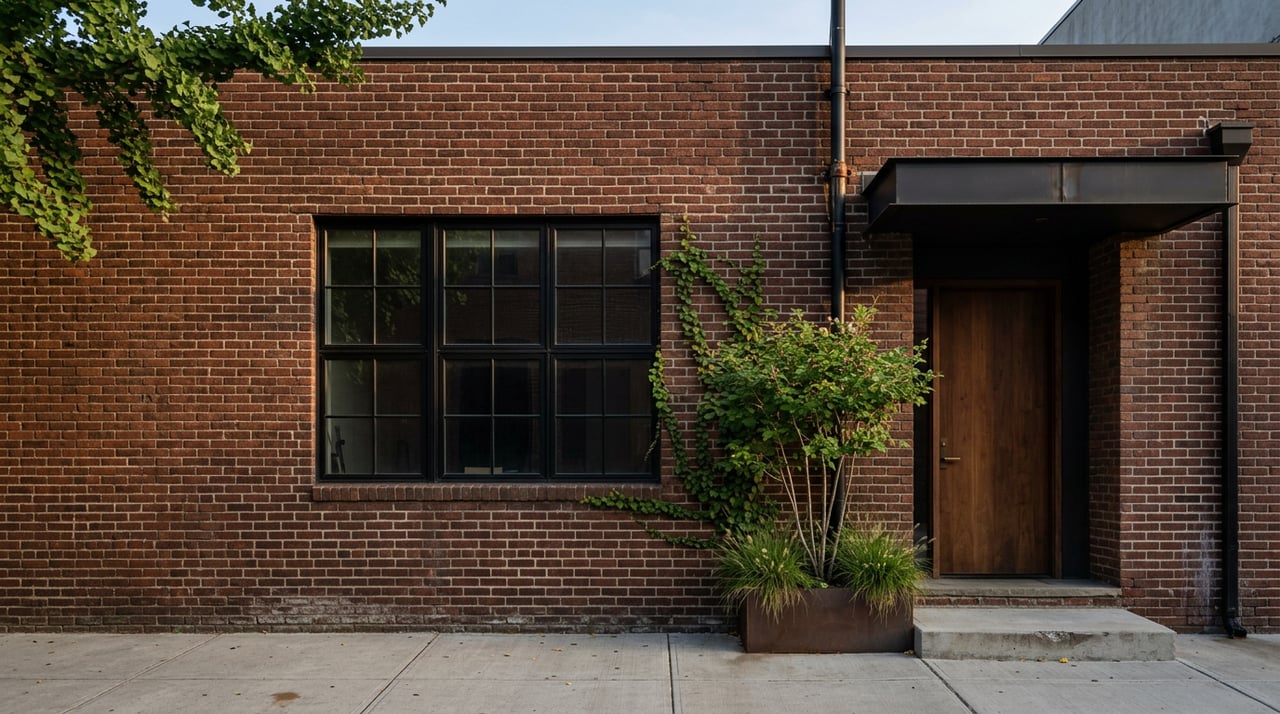
That warehouse was called Ironton. Hadley Hooper had gone to a potluck there, hosted by four artists who'd just bought and renovated the building into workspaces, and decided she needed a studio of her own. By 2002 the space had regular hours and a yearly slate of shows where outside artists kept whatever they sold and covered their own beer and wine for openings. The neighbors back then were Do It Yourself Plumbing, Bud's Warehouse, and the fading remains of the Denargo Market. None of that exists anymore. RiNo does, and this month it's turning 20.
Here's what makes this particular anniversary worth paying attention to if you already live here: the district is celebrating two decades by handing its biggest night of the year to the person who was there before it had a name, at the exact moment its business side looks less like a group of artists sharing wine and more like a nonprofit with its largest corporate sponsor ever. Those two things are happening within the same year, and they don't quite match.
The Business Side Caught Up
The version of RiNo that exists today isn't the one Hadley Hooper wandered into in 2001. It's now split into separate organizations: RiNo Art District, the RiNo Business Improvement District (BID), and the RiNo General Improvement District (GID), each with its own leadership and its own budget. Over roughly the past year, all three brought in new executive directors: RiNo Art District in September 2025, the BID that same month, and the GID in November. A Westword feature on the anniversary show described the period leading up to it plainly, calling it "a few years of upheaval" before the district settled into its current structure, one that formally separates the arts nonprofit from the business improvement district that funds a lot of its work.
The money behind that structure got bigger this year, too. In June, KeyBank became RiNo Art District's largest sponsor in its 20-year history, and the same month the BID awarded nearly $400,000 in grant funding back to the Art District. A neighborhood that started with artists splitting the cost of wine now runs on six-figure sponsorships and interlocking nonprofit boards. That's not a criticism. It's just a different animal than the one in the founding story, and it's worth knowing if you've ever wondered why RiNo's programming has gotten more polished while its murals stay just as rough around the edges.
Against that backdrop, handing the anniversary show to Hadley Hooper reads less like nostalgia and more like a deliberate choice. As she put it during setup, "there's something here that will continue into the future." The Welcome Back exhibition opened August 7 at Truss House, alongside the debut of a new Creative District Welcome Center inside the Bob Ragland Branch Library at the ArtPark, itself dedicated back in 2022. The district that used to fit in one warehouse now needs a welcome center to explain itself to newcomers.
The kitchens turned over at the same time
If you eat out in RiNo, you've probably noticed a similar shift happening one storefront at a time. This year brought a run of restaurant openings with a level of outside pedigree the neighborhood hasn't seen in this concentration before:
- Heretík opened May 6 at 1441 26th Street, in the former Koko Ni space above BearLeek. It's the return to Denver of chef Theo Adley, a James Beard Award nominee known for Marigold in Lyons, and the menu centers on a whole rotisserie chicken alongside a raw bar of oysters, crab, and shellfish sourced from both coasts. The restaurant landed on Robb Report's list of the fifteen most exciting openings in the country this spring.
- Dear Emilia opened January 29 on the ground floor of The Current at 3615 Delgany Street, from the team behind Restaurant Olivia. The menu is built around Italy's Emilia Romagna region, and the entryway features barrels of San Giacomo balsamico as both décor and a nod to the region's artisans.
- Soda Club opened in May inside The Ramble Hotel at 1280 25th Street, taking over the former Super Mega Bien space. It's the Denver debut of a Michelin Bib Gourmand-recognized New York team, led by chef Jared Sippel, formerly of Bar Goto and Pasquale Jones, serving fresh pasta and natural wine to 70 seats inside and 30 more on the patio.
- Milpero opened May 13 in RiNo's Taxi development, in the former Comal Heritage Food Incubator space. It's Michelin-starred chef Johnny Curiel's first tasting-menu concept, seating sixteen but serving only eight guests at a time through an eighteen-course menu built around masa nixtamalized in house. The restaurant went through two name changes before opening, from Maize to Fonda Maize to Milpero, after another Denver chef raised concerns that the original name was too close to her own restaurant, Maíz.
None of that would mean much on its own. Restaurants open and close constantly in any food city. What makes this year different is what closed alongside it. On July 5, Port Side, the coffee-focused all-day spot at 2500 Larimer Street that had anchored the Five Points and RiNo border for a decade, served its last plate. The announcement drew a wave of community reaction online, the kind reserved for places that had become part of people's actual routines rather than just their rotation.
A decade-old neighborhood fixture closed within months of four nationally recognized, chef-driven concepts opening across RiNo. That's the same pattern as the arts district: local roots giving way to bigger names and bigger backing, all in the same calendar year the neighborhood is supposed to be celebrating where it came from.
What's actually on the calendar this month
None of this history changes what there is to do in RiNo right now. The district's August programming is free and runs the rest of the month, with one more event to save room for in September.
- August 7, 4 to 9 p.m., First Friday Festival at RiNo ArtPark, with the Welcome Back opening reception at Truss House and a new gallery inside the Creative Welcome Center.
- August 9, 6 to 10 p.m., Second Saturdays at ArtPark, this month with a one-night installation inside Truss House and live jazz from 7 to 10 p.m.
- August 14, 5 to 7 p.m., RiNo Talks at Fabrica RiNo, 3001 Brighton Boulevard, featuring a presentation from the Colorado Office of Economic Development and International Trade and a first look at the route for the fall 5K.
- August 23, 4 to 8 p.m., RiNo Summer Art Market Series at RiNo ArtPark, hosted by Fireside at Five with roughly 50 local artists and small businesses, a DJ set from Bambinita, and a live performance from Blessing Bled Chimanga.
- September 12, the ninth annual RiNo 5K + Larimer Mile, a fully closed-road course through the district and Historic Curtis Park with 53 feet of elevation gain, ending with a free Odell Brewing beer at the finish line and proceeds benefiting Back on My Feet Denver.
That last one is worth circling if you run, walk, or just like an excuse to close down the streets for a morning. It's the kind of event that only works because the neighborhood is dense enough to fill closed roads with murals and finish lines within its own borders, which is the same density that's driving both the restaurant turnover and the arts district's growing pains.
The neighborhood that's proving its own point
Twenty years is long enough for a place to stop being what its founders built and start being something they have to be invited back to visit. RiNo's anniversary isn't really about nostalgia. It's a district checking whether the thing it became still resembles the thing four artists started with a shared warehouse and a potluck, and the honest answer this year is: partly. The murals are still rough. The wine at openings is no longer BYO. The restaurants down the block now carry Michelin pedigree instead of just craft beer taps. Whether that's a loss or just what growing up looks like probably depends on how long you've been here, which is exactly the kind of thing worth talking about over a plate at Heretík or a coffee at whatever eventually fills Port Side's old spot on Larimer.
If you're weighing what any of this means for your own plans in RiNo or one of Denver's other close-in neighborhoods, the team at Trish & Maggie spends its days paying attention to exactly this kind of shift. Let's Connect.