Looking for a place that feels tucked away in nature without cutting you off from daily convenience? Along the High Line Canal in Greenwood Village, you can find exactly that balance: open space, quiet trail access, and a more rural feel, all within easy reach of the Denver Tech Center, light rail, and I-25. If you are considering this part of Greenwood Village, it helps to understand how the trail shapes the setting, the housing, and everyday life. Let’s dive in.
Why the High Line Canal Stands Out
The High Line Canal is a 71-mile historic irrigation canal that now serves as a regional greenway. In Greenwood Village, the city includes 5.47 miles of the High Line Canal Trail as part of roughly 40 miles of trails overall. The city also maintains 280 acres of parks and 186 acres of open space, which gives this corridor a distinctly green, spacious character.
What makes this stretch especially appealing is its contrast with more urban trail systems. Here, the canal runs along the west side of the city and feels quieter, softer, and more residential. For many buyers, that setting is the main draw.
What Daily Life Feels Like
In Greenwood Village, the canal is not simply a route from one point to another. It is part of the rhythm of daily life. Trail segments in this area are described as quiet and country-like, with horse pastures, bridle paths, gently rolling hills, and open views.
Segments 11 and 12 are crusher-fine gravel, not fully paved urban trail. That means the experience feels more like a park path than a city bike corridor. You are more likely to notice natural textures, open fields, and a slower pace than heavy traffic or hard-edged development.
The corridor is shared by runners, cyclists, dog walkers, and equestrians. Horses are a real part of everyday use here, supported by the city’s equestrian amenities, including Rollin D. Barnard Park, Alexander Lane Equestrian Park, the Colorado Boulevard Equestrian Trail, and several equestrian crossings.
Open Space and Natural Setting
One of the defining features of this part of Greenwood Village is the amount of preserved land around it. The city identifies the Marjorie Perry Nature Preserve as its most significant open space, known for Rocky Mountain views and a peaceful natural setting. For buyers who value breathing room, this is a meaningful part of the canal lifestyle.
The natural character also changes with the seasons. Warm months tend to bring a lusher feel and more visible trail activity, while winter highlights the importance of ongoing maintenance like snow removal, mowing, weed control, and habitat management. Wildlife is part of the appeal too, with migratory birds and animals such as ducks, foxes, coyotes, hawks, bats, and deer noted along this stretch.
Housing Along the Canal
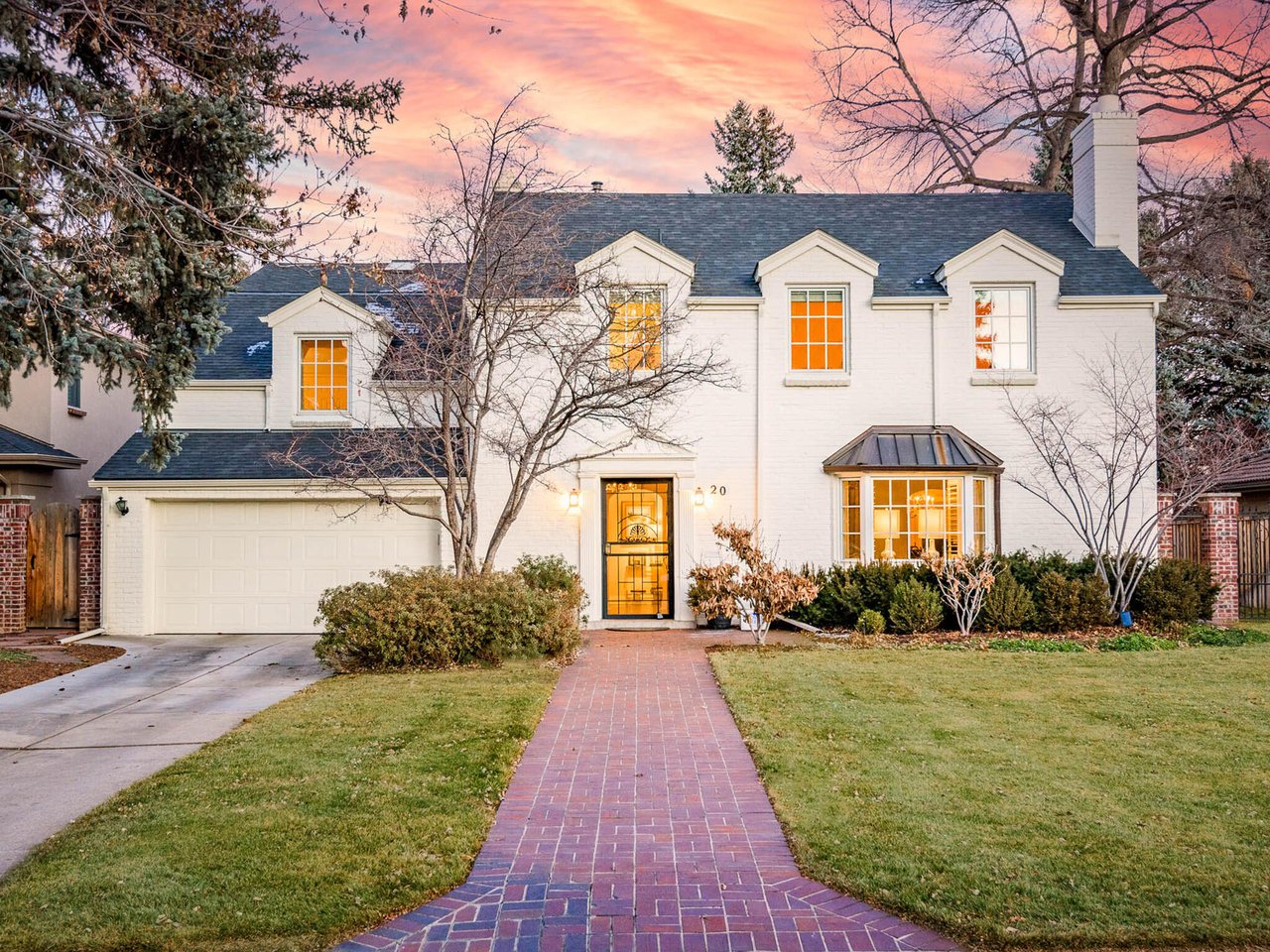
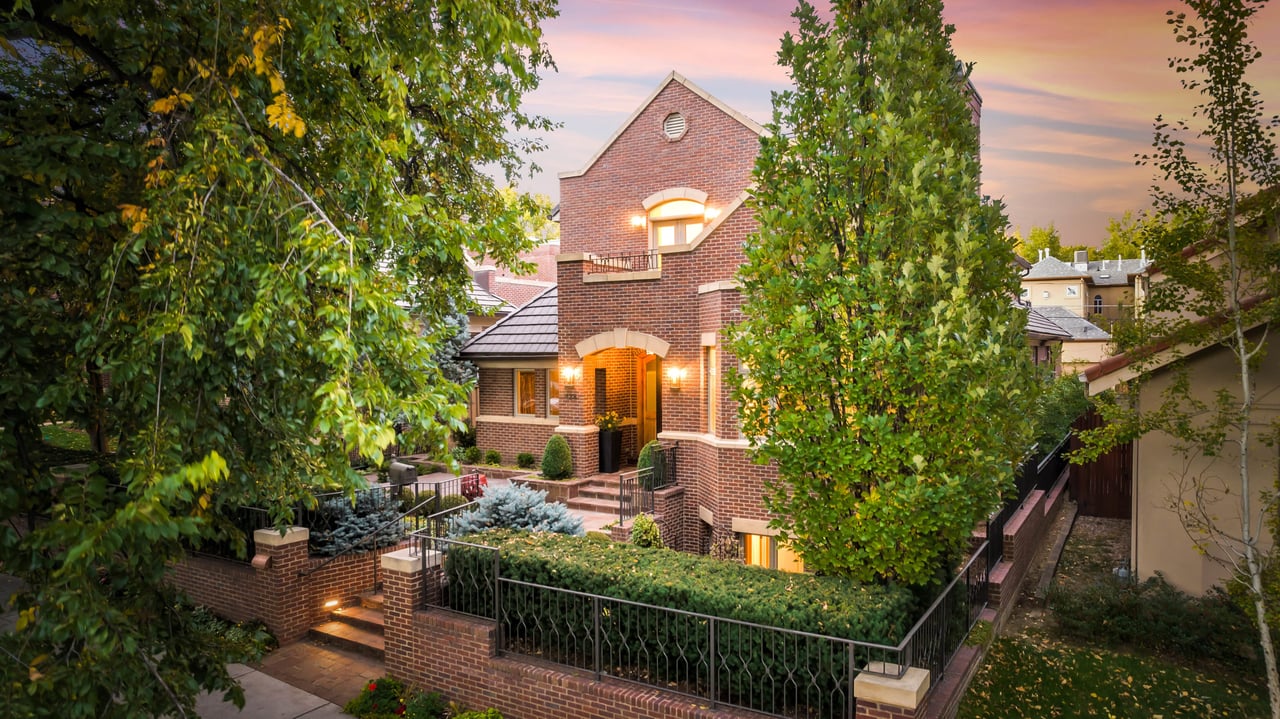
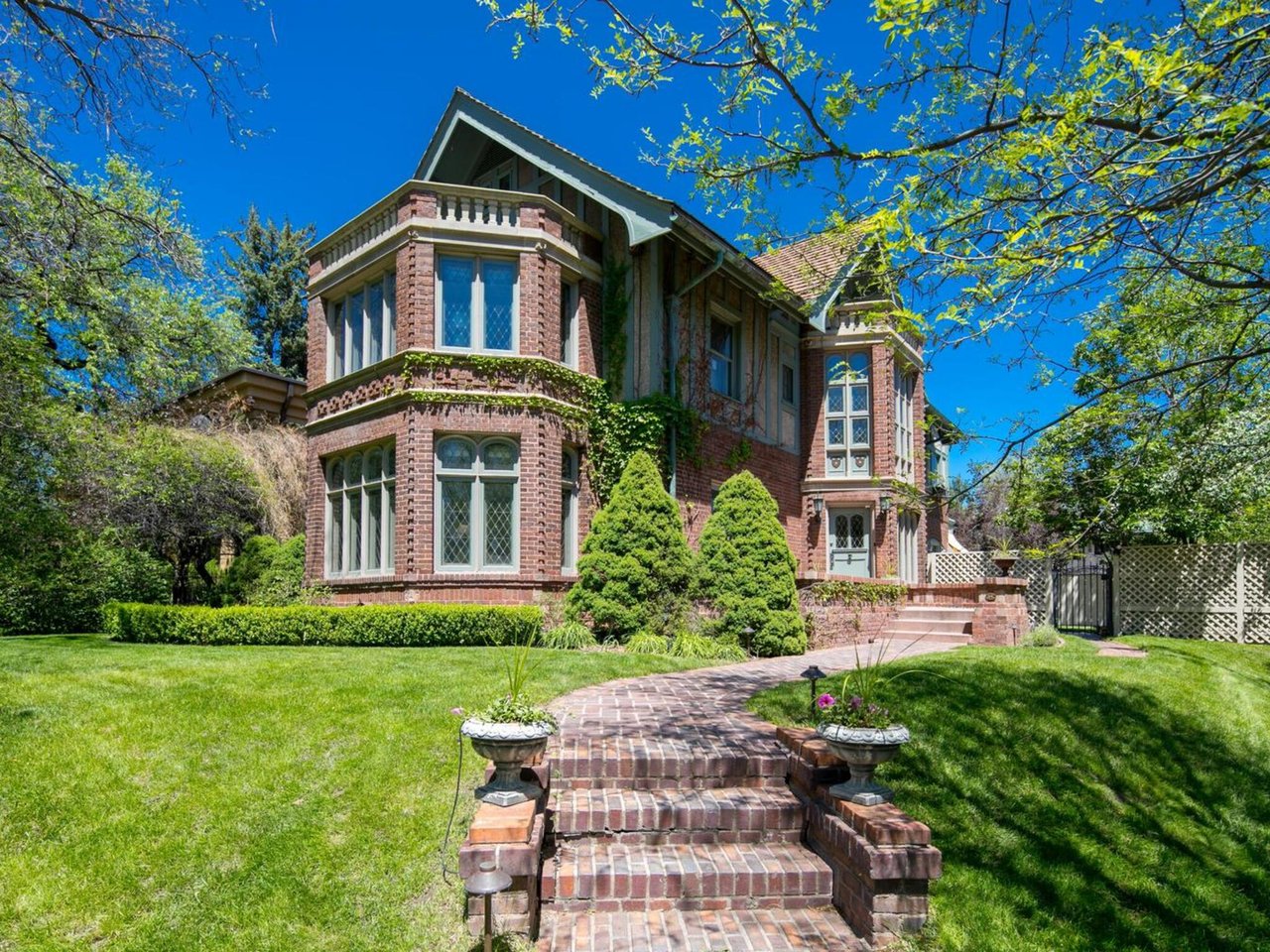
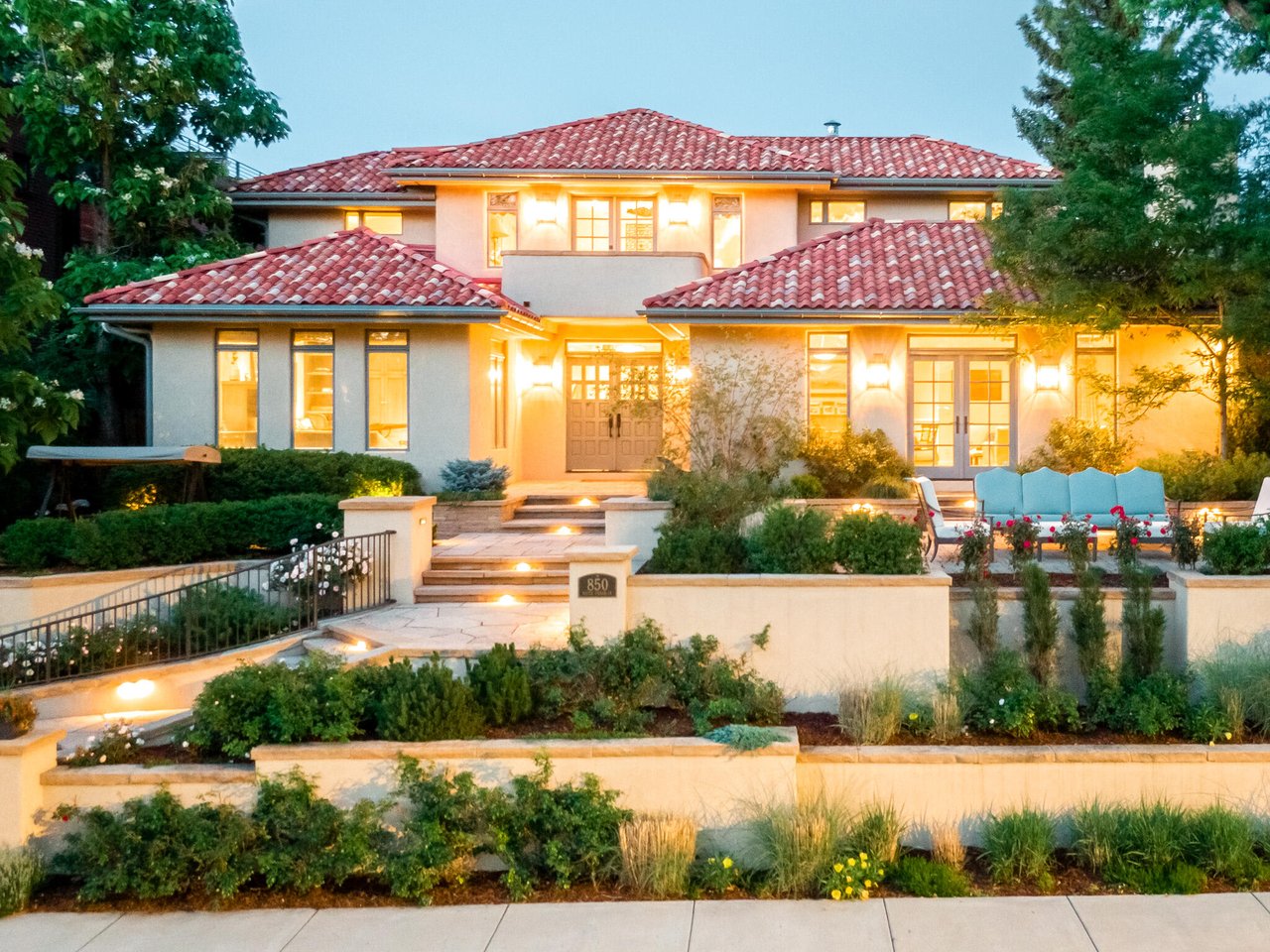
The housing pattern near the canal in Greenwood Village tends to be lower density and primarily single-family. Official planning documents describe the Preserve planning area, which includes natural areas along the canal and the Marjorie Perry Nature Preserve, as a low- to mid-density single-family neighborhood averaging about one dwelling unit per acre. The West End planning area is described similarly, with detached single-family homes, mature vegetation, and significant natural areas along the canal.
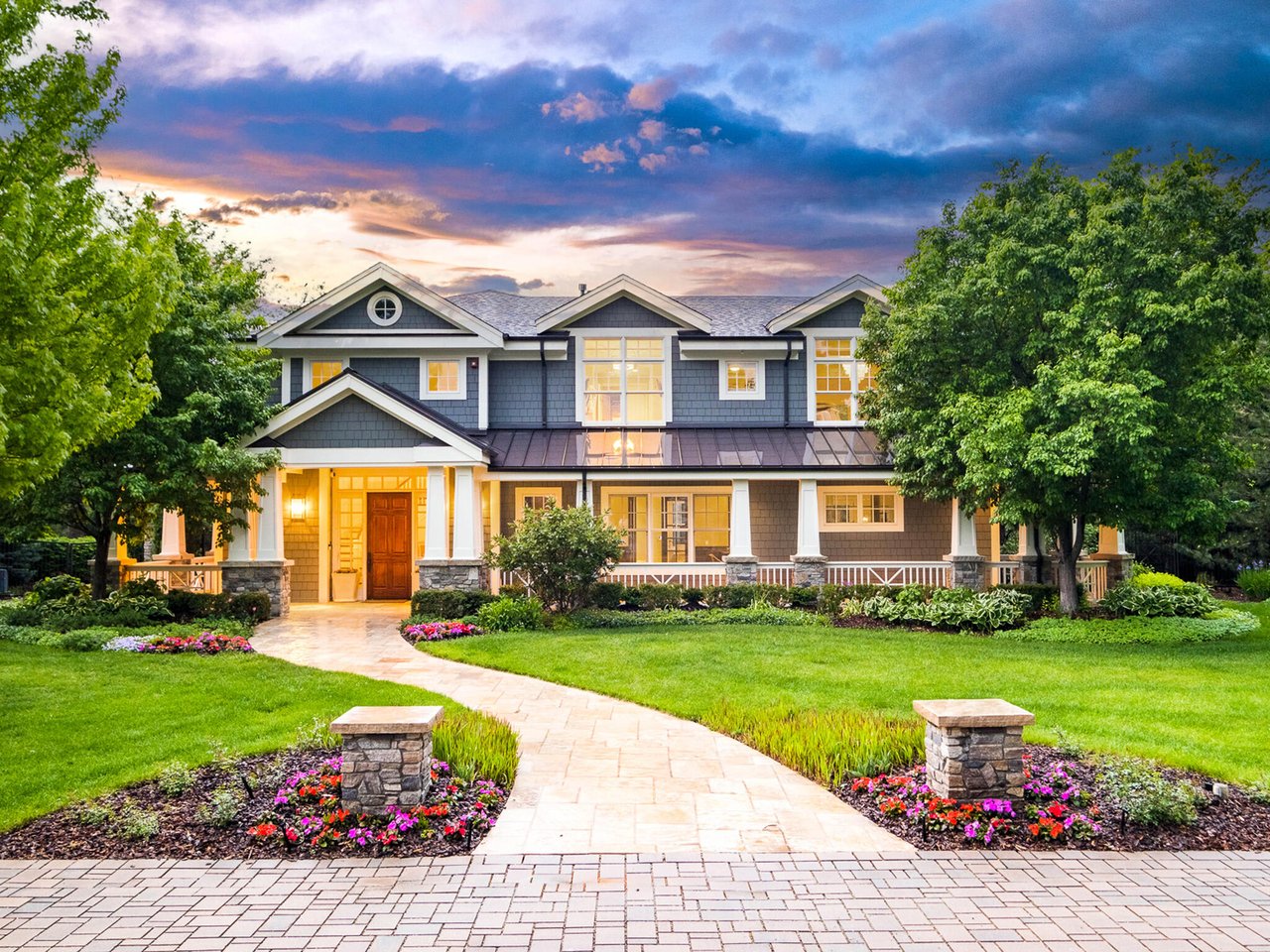
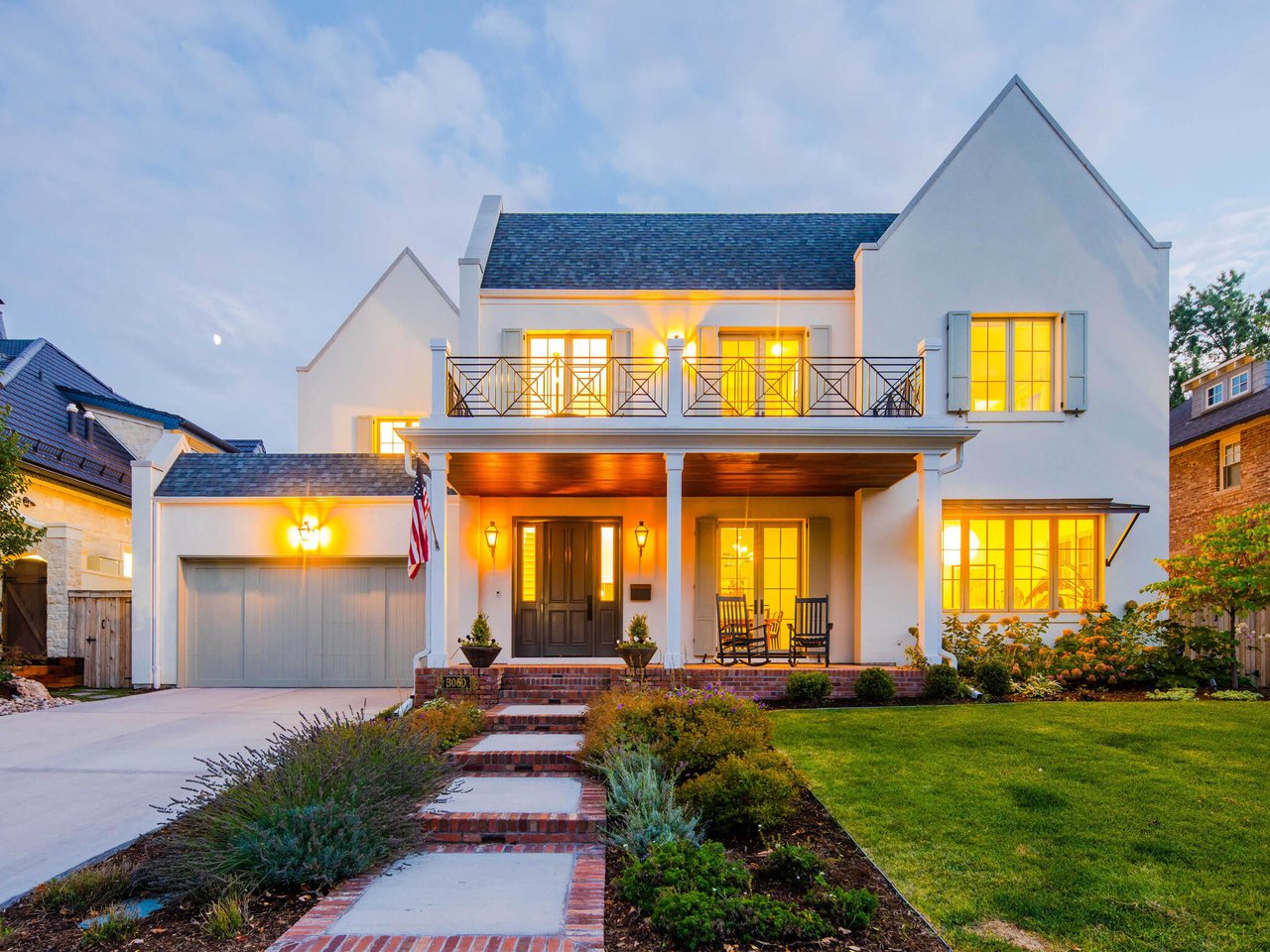
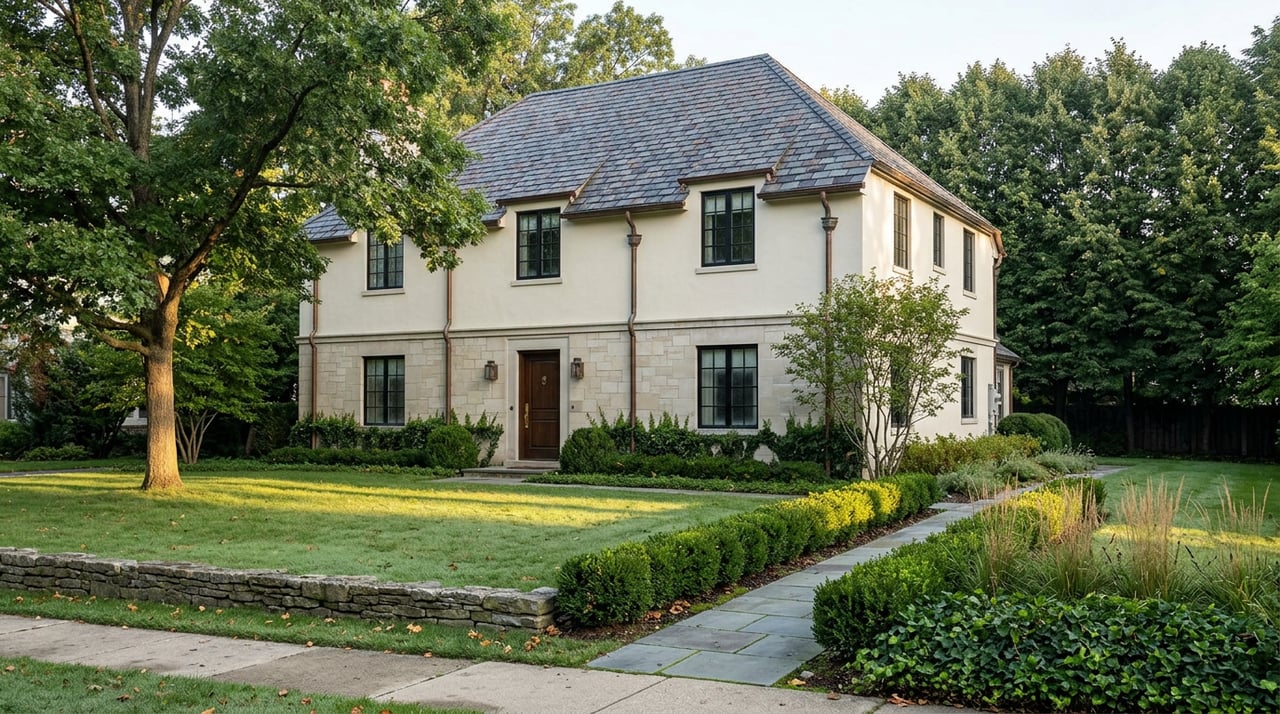
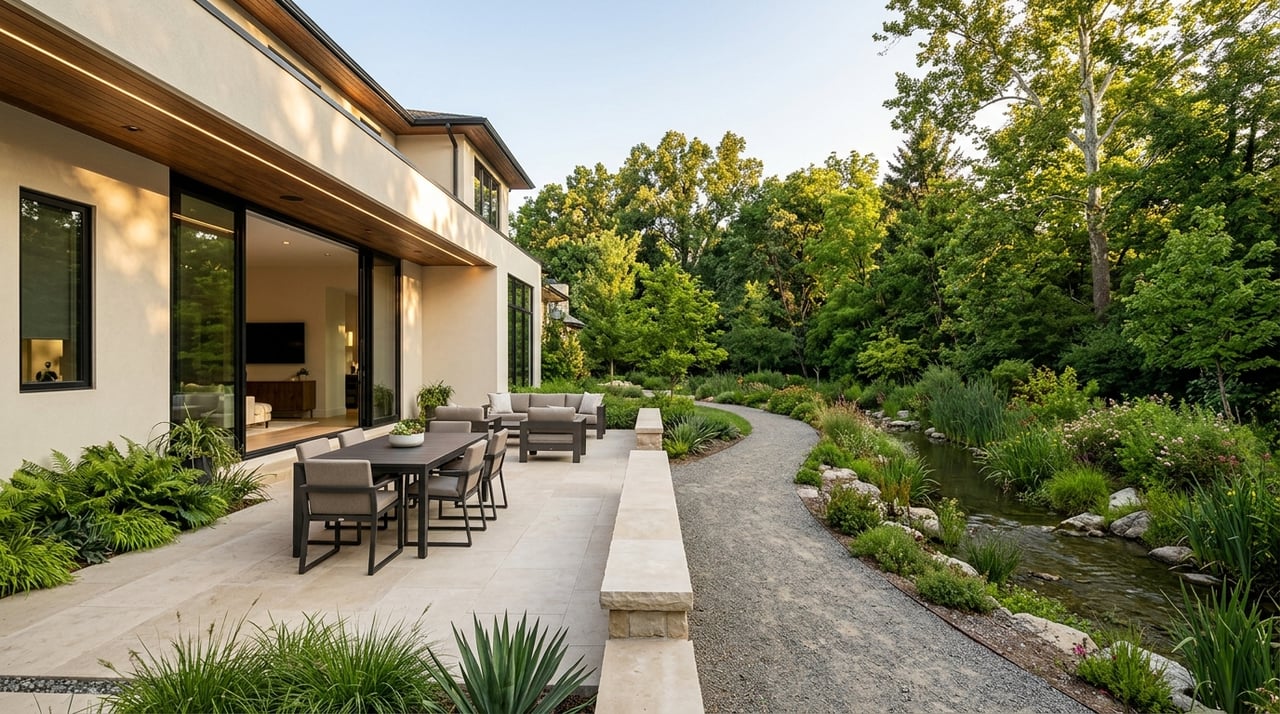
In practical terms, that often translates to a more spacious residential feel. Rather than a dense multifamily environment, the canal-adjacent areas here tend to align with detached homes, larger lots, and neighborhoods shaped by vegetation, open space, and HOA structure in some sections.
The Preserve planning area also includes the Bateleur at the Preserve and Preserve homeowners associations. If you are considering a home in one of these neighborhoods, HOA review becomes an important part of due diligence, especially if you are thinking about fencing, landscaping, or trail-facing exterior changes.
Privacy and Buffering Matter
One reason this corridor feels more removed than many suburban locations is the presence of open-space buffers. The Marjorie Perry Nature Preserve sits along the canal south of Belleview Avenue, while the Public Service Company Property is a wetland open-space area that serves as a buffer between the Greenwood Hills neighborhood and nearby commercial uses.
For you as a buyer, those buffers can affect how a home lives day to day. Two properties with similar square footage may feel very different depending on whether they back to open space, face interior streets, or sit closer to more active trail segments. Privacy here is often shaped as much by land use and landscaping as by the house itself.
Trail Access and Etiquette
If you plan to use the canal regularly, it helps to know the local trail rules. In Greenwood Village, trail speeds for bicycles and other non-vehicular transportation devices are limited to 15 mph. Shared-use etiquette also gives equestrians the right of way, requires cyclists to yield to pedestrians, and calls for dogs to remain leashed.
Class 1 and Class 2 e-bikes are allowed in Greenwood Village. These details may sound small, but they shape the feel of the trail. Overall, the rules support a calmer, more respectful environment that fits the corridor’s residential and open-space setting.
Commute Convenience Is a Big Advantage
The canal lifestyle works well for buyers who want nature without giving up access. Greenwood Village includes part of the Denver Tech Center, Greenwood Plaza, and the Village Center, along with numerous retail and restaurant establishments. The city also notes direct access to Interstate 25 and three light rail stations: Arapahoe Station at Village Center, Orchard Station, and Dayton Street Station.
That combination is a major part of the area’s appeal. You can have a home environment that feels quieter and more insulated, while still staying close to employment centers and everyday conveniences. For many buyers, that hybrid lifestyle is the defining story of this corridor.
What Buyers Should Look Closely At
If you are touring homes near the High Line Canal, a few details deserve extra attention. Not every canal-adjacent property offers the same experience, even within the same neighborhood. Small differences in lot placement and trail relationship can have a big effect on privacy, views, and activity levels.
Here are a few smart questions to ask as you evaluate homes:
- Does the home back directly to the trail or sit nearby without direct exposure?
- How much trail activity is visible or audible from the yard or main living spaces?
- Is the nearby trail segment used more heavily by equestrians, walkers, or cyclists?
- How much privacy comes from landscaping, vegetation, or open-space buffers?
- Are there HOA guidelines that affect fencing, plantings, or trail-facing improvements?
These are the kinds of details that shape long-term satisfaction. A polished showing is important, but so is understanding how the property actually lives in relation to the canal.
Who This Area Often Appeals To
This part of Greenwood Village tends to resonate with buyers who want a more grounded residential setting. Some are drawn to the trail itself and expect to use it regularly for walking, riding, or running. Others are more focused on the visual benefit of open land, mature vegetation, and a less compressed neighborhood pattern.
It can also be a strong fit if you want proximity to DTC and south-metro amenities without living in a more intensely developed environment. The canal corridor offers a rare mix of accessibility and retreat, which is not always easy to find in the Denver area.
The Canal Lifestyle in One Phrase
If there is one way to describe living along the High Line Canal in Greenwood Village, it is nature with connection. You get preserved open space, a trail network with a softer and more rural feel, and residential areas shaped by lower-density planning and natural buffers. At the same time, you remain close to business centers, retail, restaurants, rail, and major roads.
That balance is what makes this corridor stand out. And if you are buying in Greenwood Village, it is worth looking beyond the address alone to understand exactly how each home relates to the canal, the trail, and the open space around it.
If you are considering Greenwood Village and want help evaluating homes near the High Line Canal with a careful eye toward setting, privacy, and long-term value, the Trish & Maggie Team would be glad to help.
FAQs
Is the High Line Canal Trail in Greenwood Village paved?
- Not everywhere. Trail Segments 11 and 12 in Greenwood Village are described as crusher-fine gravel.
Are horses part of daily life along the High Line Canal in Greenwood Village?
- Yes. Greenwood Village has equestrian parks, trails, and crossings, and horses are permitted on this part of the canal.
Is living near the High Line Canal in Greenwood Village commuter-friendly?
- Yes. The area combines a quieter residential setting with access to I-25, light rail stations, DTC employment areas, retail, and restaurants.
What should buyers check before buying near the High Line Canal in Greenwood Village?
- Pay close attention to lot orientation, nearby trail use, privacy from vegetation or open space, and any HOA rules that may affect the property.
What is the housing pattern near the High Line Canal in Greenwood Village?
- Official planning documents describe parts of the corridor as low- to mid-density single-family areas, generally around one dwelling unit per acre.