If you want a Denver address that feels both storied and connected, 7th Avenue Parkway is hard to ignore. Few places in the city blend historic architecture, mature trees, and close-in convenience quite like this corridor in Congress Park and the East 7th Avenue Historic District. If you are curious about what it is really like to live here, this guide will walk you through the setting, the homes, the preservation framework, and the everyday rhythm that makes the area so distinct. Let’s dive in.
A Historic District with a Clear Identity
The East 7th Avenue Historic District is one of Denver’s largest local historic districts, but it has an unusually compact shape. It stretches from Logan Street to Colorado Boulevard and from East 6th to East 8th Avenues, and for much of its length it is only two blocks wide.
That compact footprint is part of what gives the district such a strong sense of place. According to the Denver Public Library, the district’s edges reflect early streetcar and bus routes, nearby parks, and Denver’s earlier city limits, while local historic designation in 1993 helped formalize its preservation.
Congress Park, the larger neighborhood context, is bounded by York Street, Colfax Avenue, Colorado Boulevard, and Sixth Avenue. Its roots go back to Capitol Heights in the late 1880s, and its early growth followed tramway lines along East Colfax, East 12th Avenue, and East Sixth Avenue.
Why 7th Avenue Parkway Feels Different
The parkway itself is a major reason this area feels more gracious than a typical city street. During the City Beautiful era, Denver acquired the 7th Avenue Parkway land in 1912 and worked with city landscaper Saco DeBoer and a consultant to shape the corridor.
A double row of elms created the signature canopy, and a second planting in 1927 extended that vision to Colorado Boulevard. Many of those original elms still remain, and Denver’s preservation guidance identifies the parkway as a character-defining landscape feature.
The streetscape is about more than trees. Historic parkways draw their identity from the full composition of street, tree lawn, sidewalks, curbs, vegetation, monuments, and the open space created by setbacks. On 7th Avenue Parkway, that layering is easy to notice as you move through the district.
Architecture Ranges from Grand to Modest
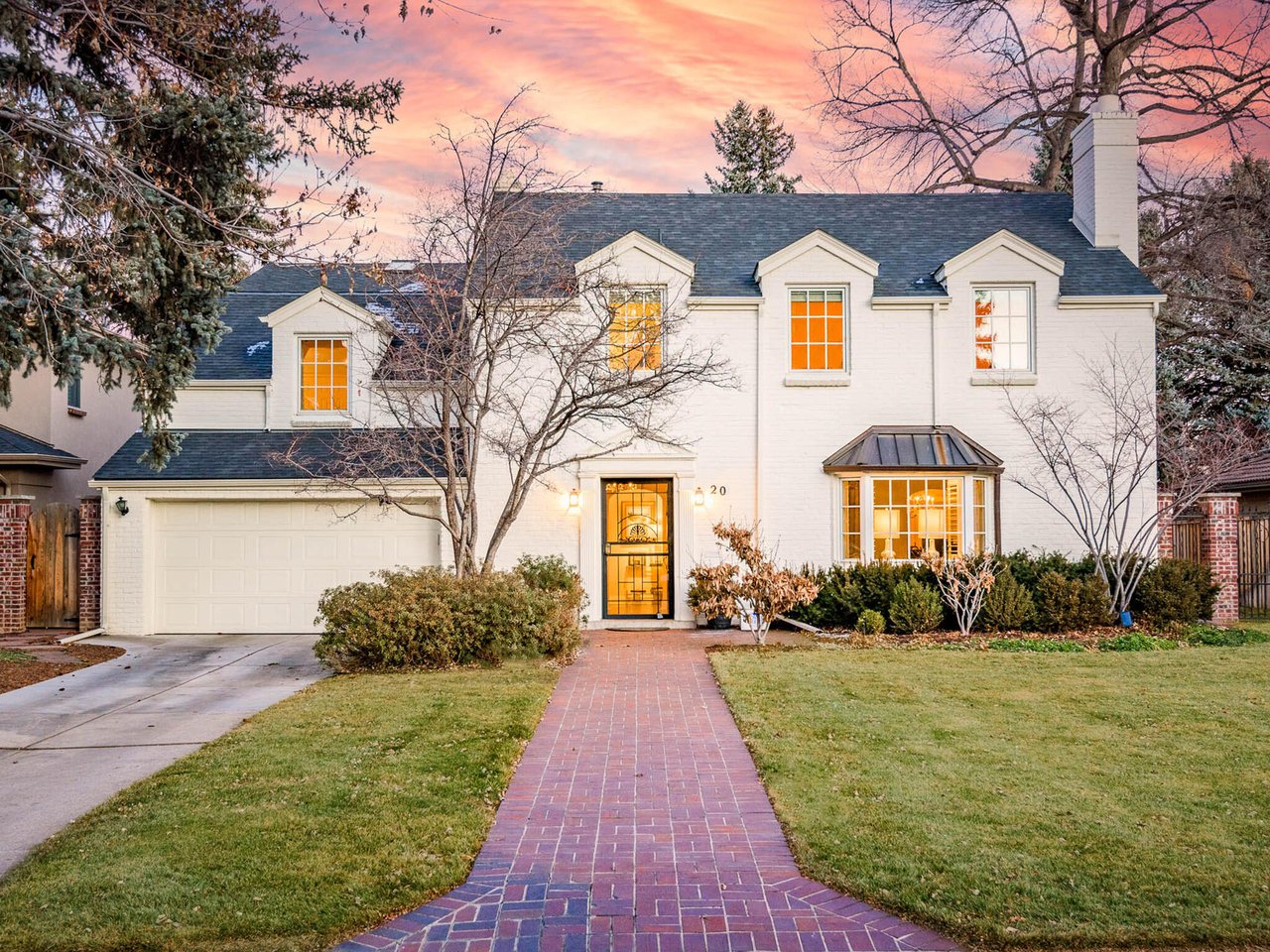
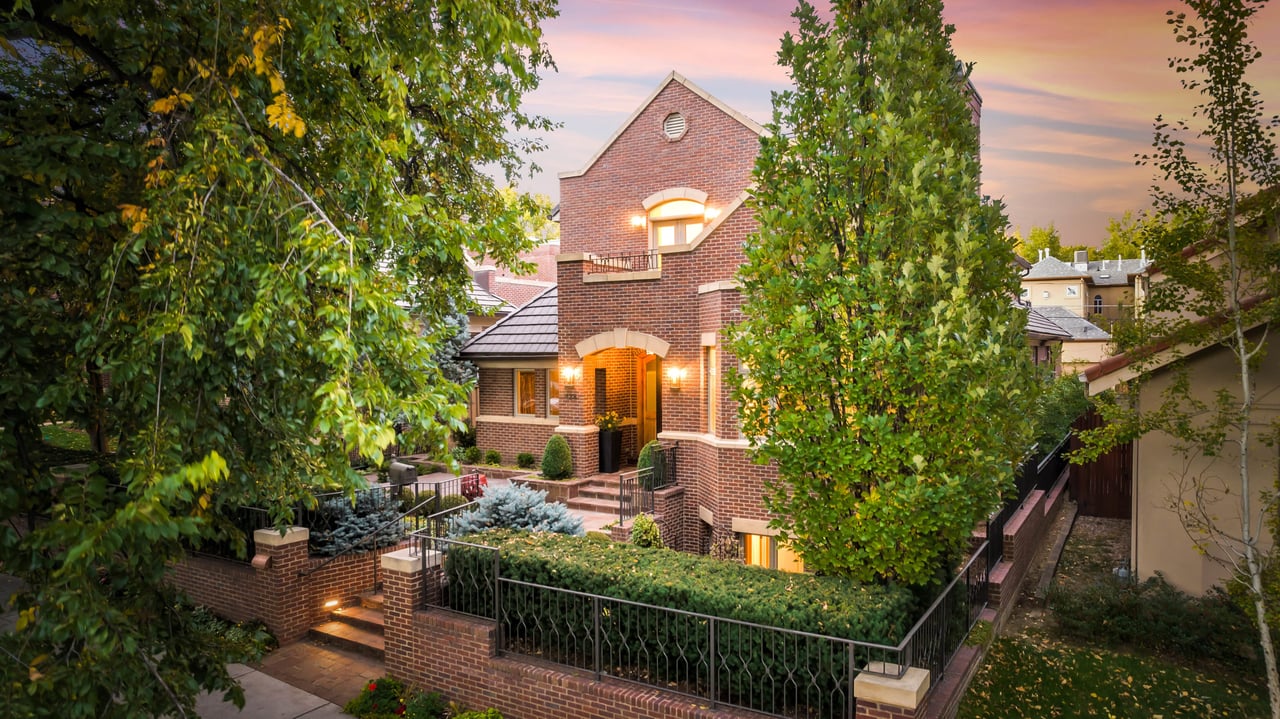
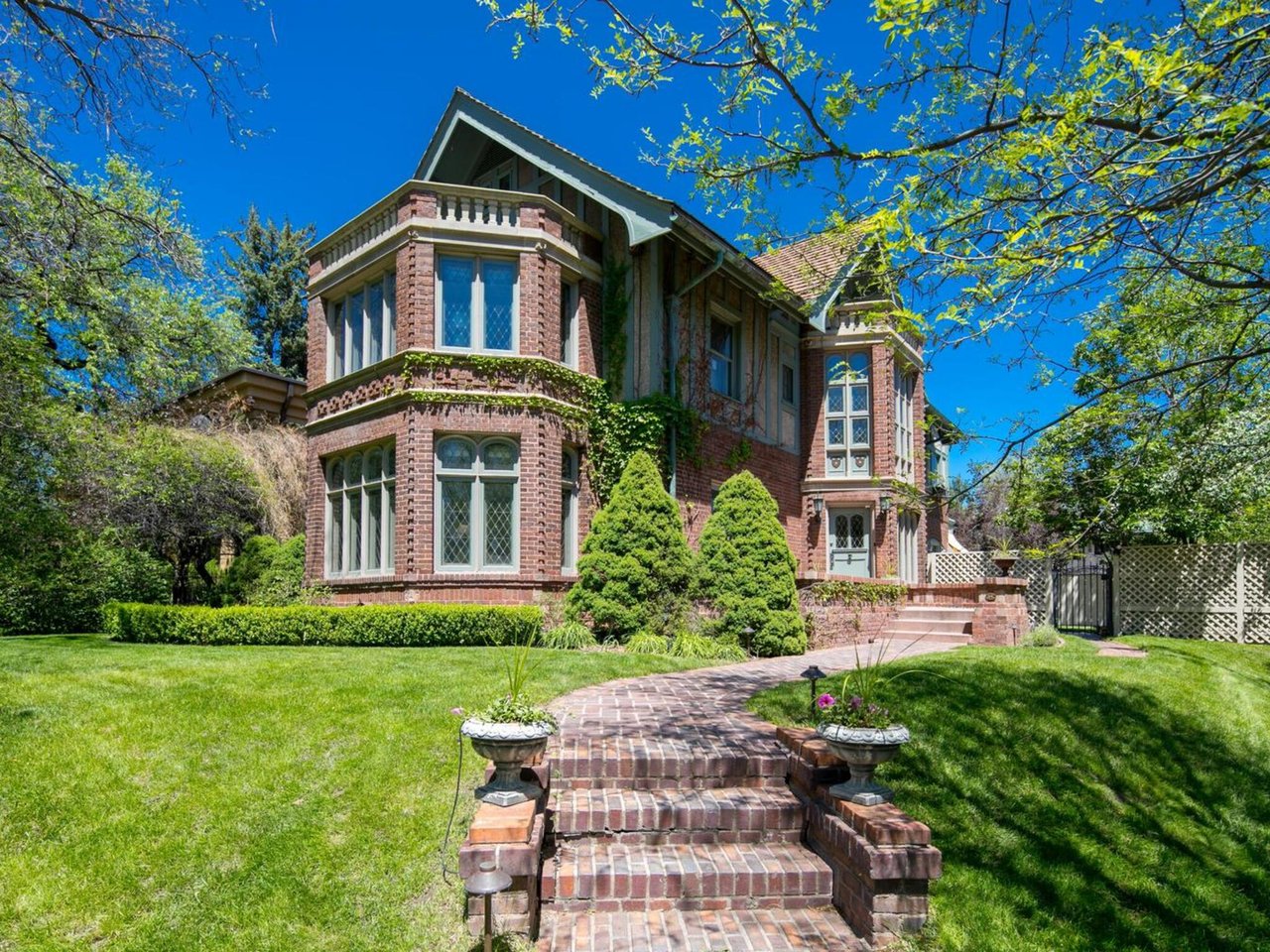
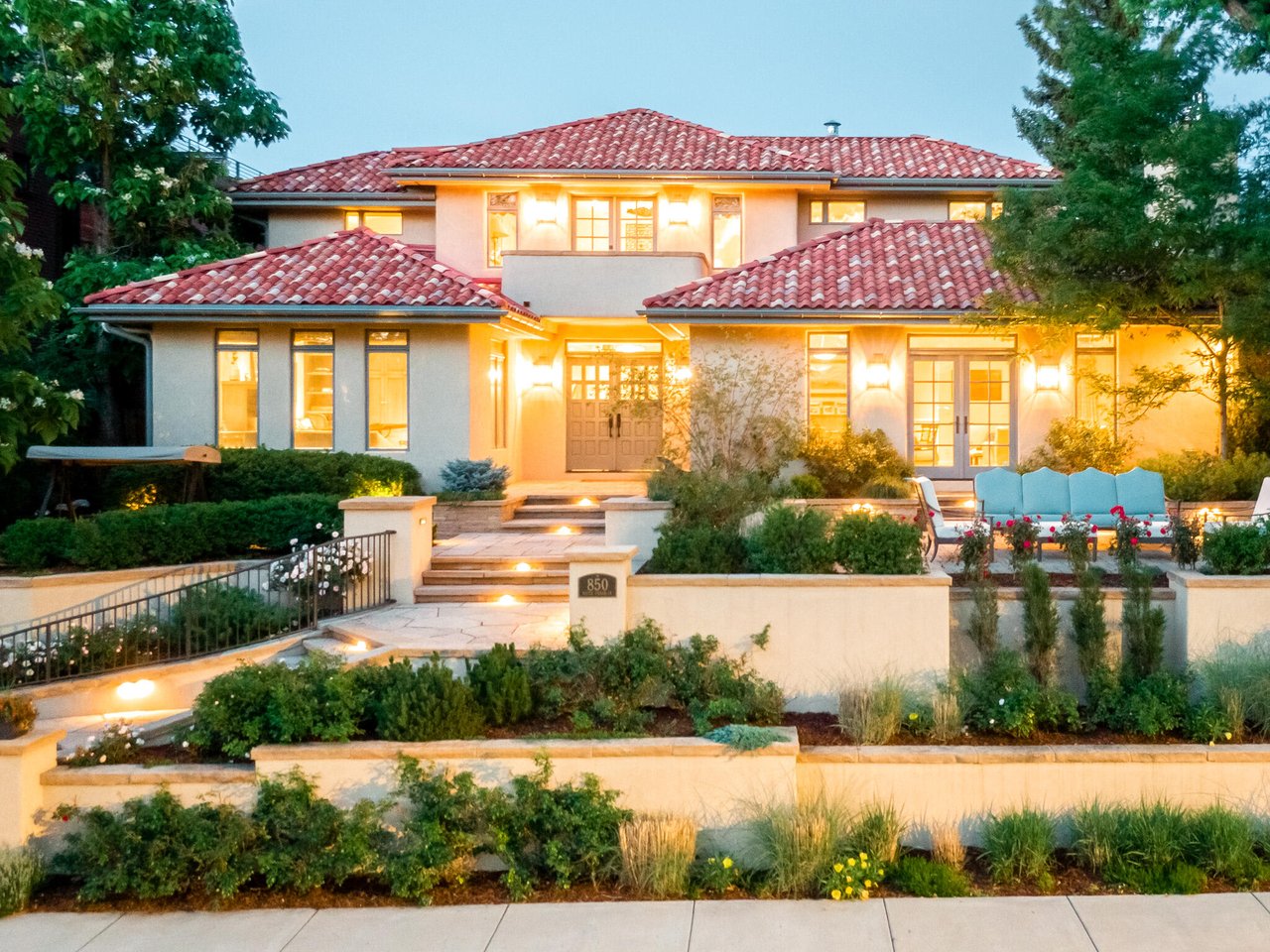
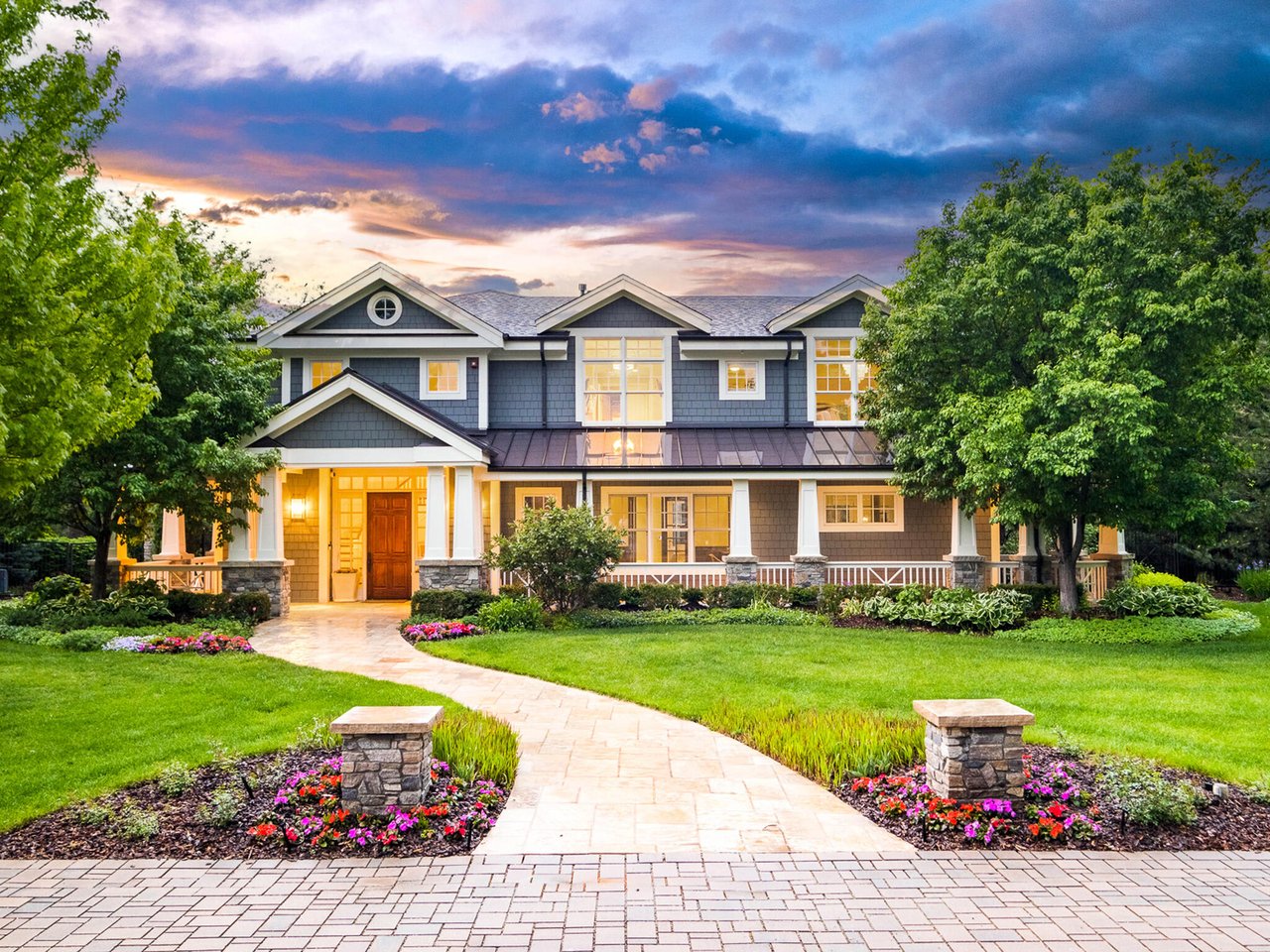
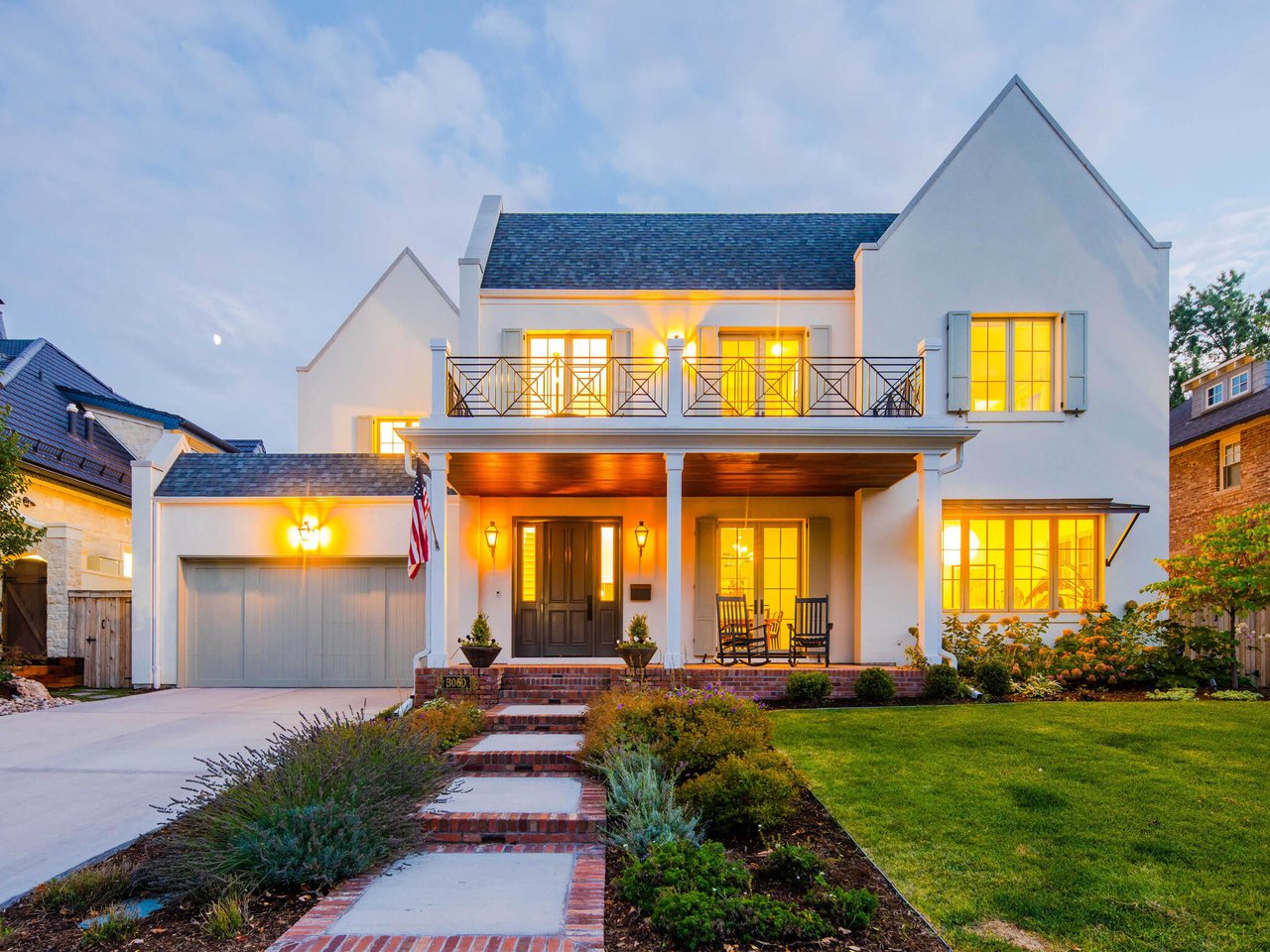
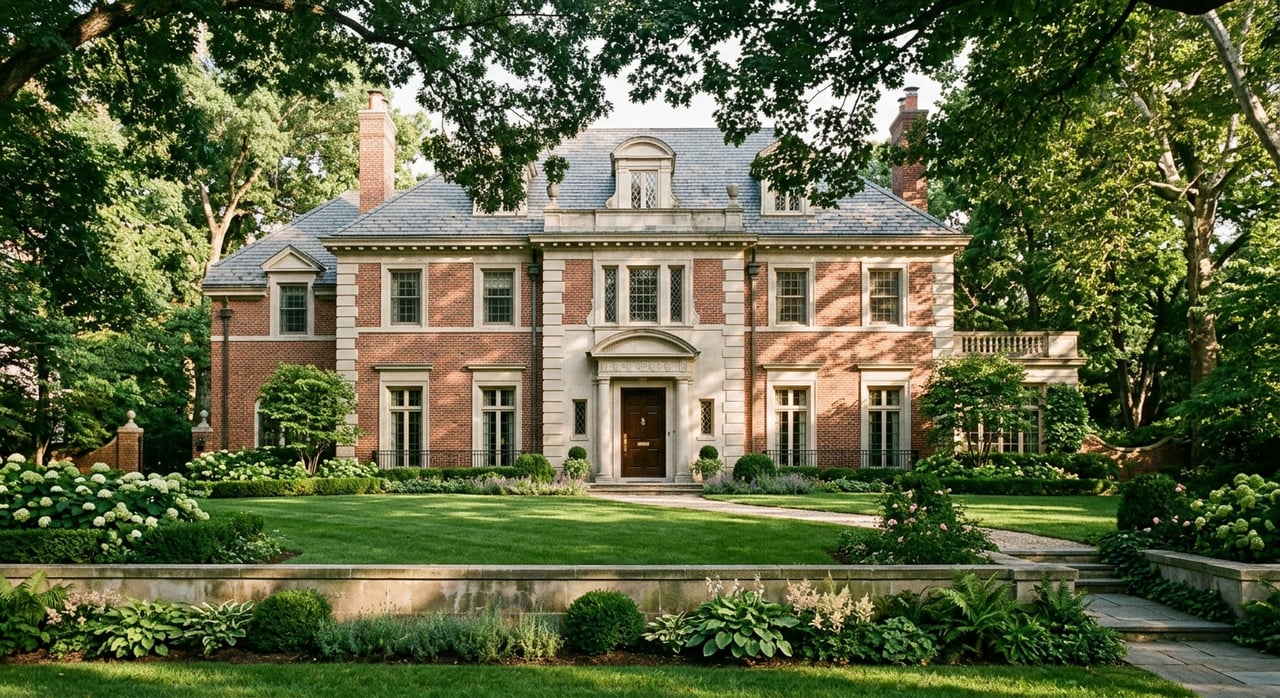
One of the most appealing things about this part of Denver is that the architecture is not one-note. The Denver Public Library notes that the area historically included both wealthy and middle-class households, with mansions on corners and a mix of smaller homes, duplexes, and terraces throughout the district.
That variety still shapes the neighborhood today. When the parkway was developed, larger homes tended to line the parkway itself, while smaller homes were more common on the north-south side streets.
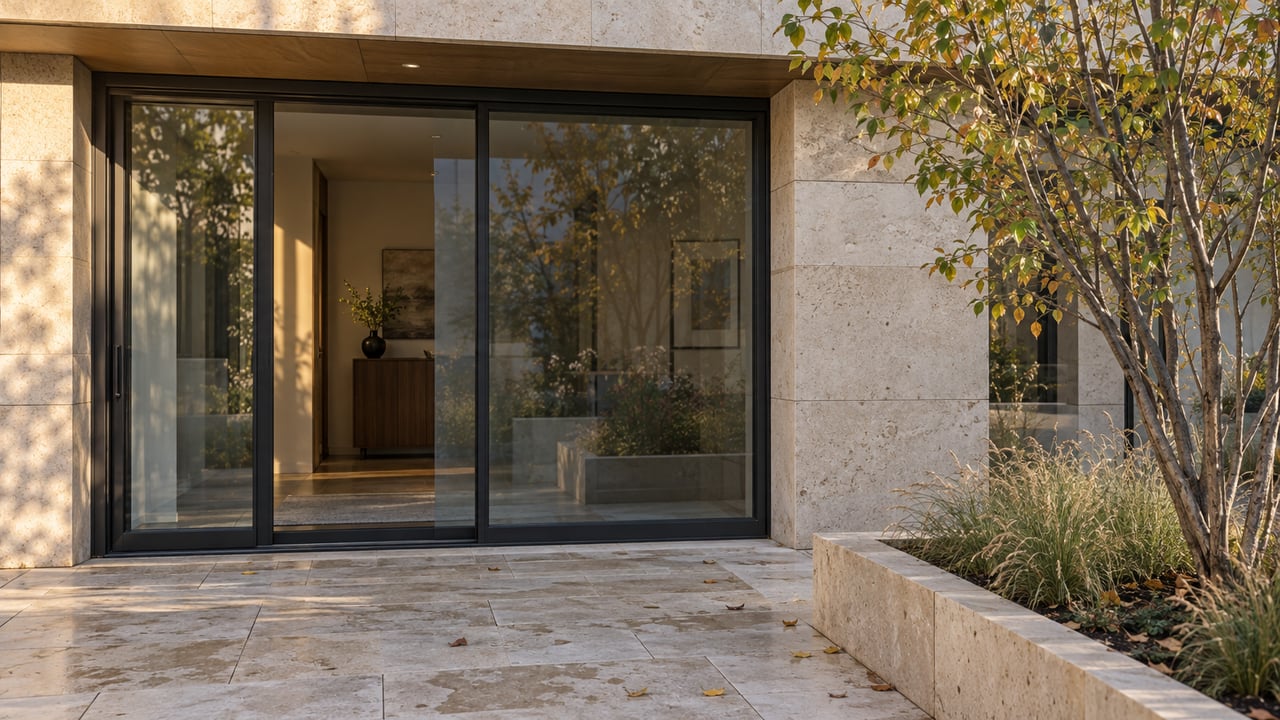
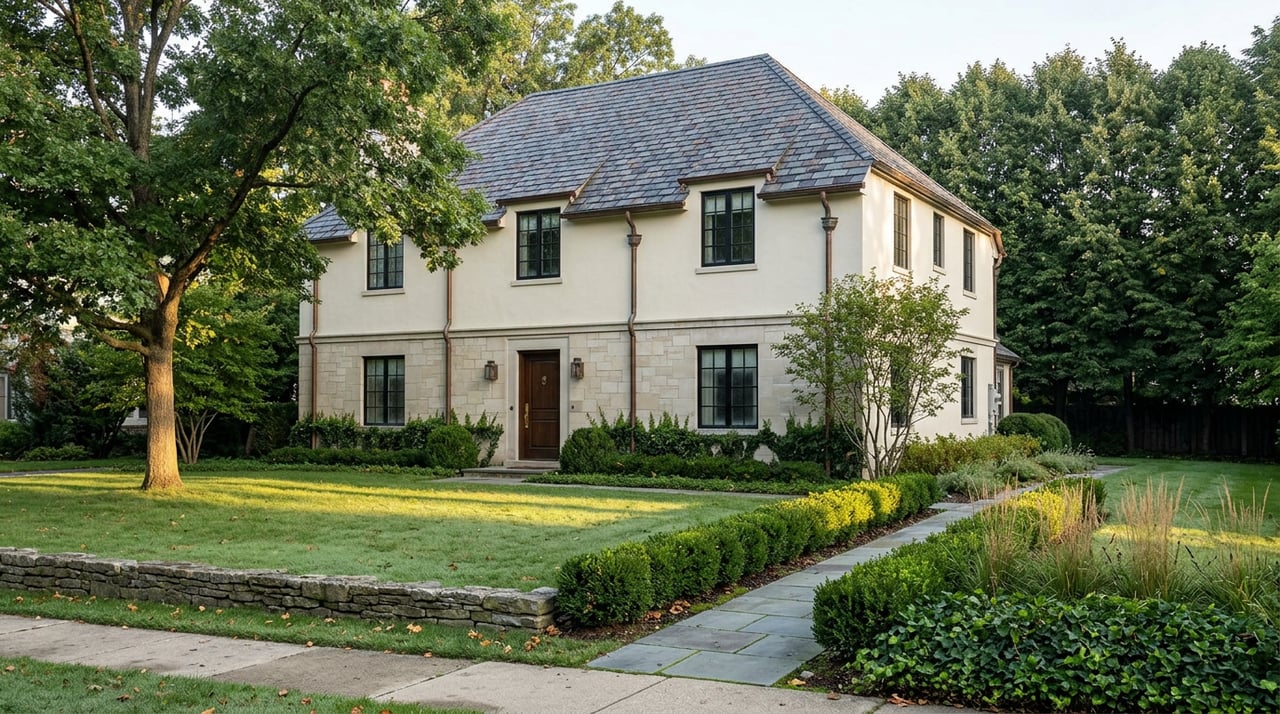
In Congress Park more broadly, the housing story moves from Queen Anne and Victorian homes to Craftsman Denver Squares and then 1920s bungalows. Within the East 7th Avenue district, documented styles include Georgian Revival, French Mediterranean Revival, English Tudor, Mediterranean Revival, Neoclassical, Jacobean, and other eclectic designs.
For a buyer, that means you are not looking at a uniform streetscape where every home feels interchangeable. For a seller, it means architectural character is often part of the property’s value story, especially when original details and setting remain intact.
Preservation Shapes Ownership
Living in a historic district often comes with benefits and responsibilities. In the East 7th Avenue Historic District, Denver’s Landmark Preservation Commission reviews exterior alterations, additions, new construction, signs, and non-vegetative site work using adopted design standards.
There is also added oversight near parkways. Denver Parks and Recreation regulates adjacent development with setbacks and restrictions that can affect buildings, walls, fences, and curb cuts.
In practical terms, visible exterior changes usually take more planning here than they would in a non-historic neighborhood. That does not mean improvement is off the table. It means thoughtful stewardship matters, and successful projects tend to respect the original setting, scale, and rhythm of the block.
What Buyers Should Understand
If you are considering a home on or near 7th Avenue Parkway, it helps to look beyond square footage and finishes. The setting is a big part of the value, and that includes the mature canopy, setbacks, low walls, and the visual consistency of the street.
You will also want to understand what changes may require review before you buy. If you are imagining an addition, new exterior materials, a modified front yard, or changes to site features, the historic district framework can affect both timeline and design choices.
For design-conscious buyers, that framework is often part of the appeal. It helps protect the curated feel of the streetscape and supports the long-term character that makes the district special in the first place.
What Sellers Can Highlight
If you are selling in this area, buyers are often responding to more than the house alone. They are also buying into a preserved setting that feels established, intentional, and hard to replicate elsewhere in Denver.
That is why presentation matters. Architectural details, tree-framed views, site placement, and the relationship between the house and the parkway can all shape how a property is perceived.
In a neighborhood like this, strong marketing should help buyers understand not just the floor plan, but also the experience of living in a historic corridor with real visual continuity. For distinctive homes, thoughtful storytelling and design-aware preparation can make a meaningful difference.
Daily Life Near the Parkway
Historic charm is only part of the draw. The area also offers a lifestyle that feels connected to some of Denver’s most recognizable green spaces and amenity districts.
Denver Botanic Gardens York Street sits at 1007 York Street and spans 24 acres of gardens. The Gardens also identify both the Botanic Gardens and Cheesman Park as birding hotspots, which adds another layer to the area’s outdoor appeal.
The community garden history is also notable. The Botanic Gardens says its community garden program began in 1977 for Congress and Cheesman Park neighbors before moving to Congress Park in 2010, where 89 plots are maintained by families and community members.
For many residents, this translates into a neighborhood rhythm shaped by walking, gardening, seasonal color, and time outdoors. It is urban living, but with a softer and more landscape-driven feel than many close-in districts.
Close to Cherry Creek North
Another advantage of living near 7th Avenue Parkway is proximity to Cherry Creek North. The district describes itself as a 16-block neighborhood with more than 75 boutiques, more than 50 restaurants and bars, more than 175 small businesses, and boutique hotels.
Its identity is distinctly walkable and service-oriented. For buyers who want historic residential character without giving up access to shopping, dining, and everyday convenience, that nearby amenity base is a real plus.
The contrast is part of the appeal. You can live on a tree-lined historic corridor and still be close to one of Denver’s most established retail and dining districts.
A Neighborhood with Seasonal Energy
The area’s lifestyle has a strong seasonal dimension, especially in winter. Denver Botanic Gardens’ Blossoms of Light brings an annual holiday light display to York Street, while Cherry Creek North’s Winter Wanderland adds a large-scale light installation, a holiday market, and related December events.
That recurring public life helps the neighborhood feel active without leaning heavily on nightlife. Based on the official programming described in the research, the area’s rhythm centers more on gardens, lights, shopping, and outdoor strolling.
For many buyers, that balance is appealing. It offers activity and atmosphere, but in a way that still feels residential and grounded in the physical beauty of the area.
Why This Area Continues to Stand Out
What makes 7th Avenue Parkway memorable is the overlap of several qualities that are hard to find in one place. You get historic residential architecture, a preserved parkway landscape, and proximity to some of Denver’s most established destination areas.
You also get a neighborhood where the public realm matters. The trees, setbacks, sidewalks, and sense of continuity are not background details. They are central to the experience of living here.
For buyers, that can translate into a setting with real character and a stronger visual identity than many newer neighborhoods. For sellers, it creates a compelling story rooted in design, stewardship, and location.
If you are thinking about buying or selling in Congress Park or the 7th Avenue Historic District, local knowledge matters. The details that define value here are often architectural, contextual, and highly specific to the block. To talk through the neighborhood with a team that understands Denver’s historic homes and design-driven properties, connect with the Trish & Maggie Team.
FAQs
What is the East 7th Avenue Historic District in Denver?
- It is a locally designated historic district in Denver that runs from Logan Street to Colorado Boulevard and from East 6th to East 8th Avenues, with designation dating to 1993.
What architectural styles are found near 7th Avenue Parkway?
- Homes in and around the district include Queen Anne, Victorian, Craftsman Denver Squares, 1920s bungalows, Georgian Revival, French Mediterranean Revival, English Tudor, Mediterranean Revival, Neoclassical, Jacobean, and eclectic styles.
What does historic district status mean for a home on 7th Avenue Parkway?
- In general, visible exterior changes such as alterations, additions, some site work, and certain new construction plans may require design review through Denver’s preservation framework.
What parks and outdoor amenities are near 7th Avenue Parkway?
- Nearby amenities include East 7th Avenue Parkway, the Cheesman Esplanade, Williams Street Parkway, Cheesman Park, and Denver Botanic Gardens York Street.
What is daily life like in Congress Park near 7th Avenue Parkway?
- The area’s lifestyle is shaped by tree-lined streets, access to gardens and parks, outdoor strolling, and close proximity to Cherry Creek North’s shopping and dining.
Why do buyers consider homes in the 7th Avenue Historic District?
- Buyers are often drawn to the district’s preserved streetscape, mature tree canopy, variety of period architecture, and close-in location near major Denver amenities.