What does a normal day in Washington Park actually feel like when you live there, not just visit for an afternoon? In many Denver neighborhoods, daily life happens in pieces, with one place for exercise, another for errands, and another for dinner. In Wash Park, much of it fits together in a way that feels easy, grounded, and distinctly local. If you are considering a move here or simply want a more realistic picture of the neighborhood, this guide walks you through how locals really live. Let’s dive in.
Why Wash Park Feels So Livable
Washington Park is, first and foremost, a park-centered neighborhood. The park itself spans 165 acres and includes two lakes, tree groves, meadows, tennis courts, and large flower gardens. It is framed by Virginia, Louisiana, Franklin, and Downing, and it shapes the pace of life around it.
That park-first identity is what gives the neighborhood its rhythm. You are not just near green space. In many ways, the park becomes part of your normal routine, whether that means a morning run, a walk with your dog, or a quick lap before dinner.
At the same time, Wash Park is not cut off from the rest of Denver. Nearby retail streets, transit access, and bike connections make it practical for everyday living. That balance is a big part of the appeal.
A Real Morning in Washington Park
A typical day often starts outdoors. The park offers a roughly 2.3-mile inner paved loop and a 2.6-mile outer dirt path, so you can choose a quick walk, a longer run, or a more relaxed loop depending on your mood.
That flexibility matters when you live nearby. You do not need to plan a full outing to enjoy the neighborhood. You can step out for fresh air, get in a workout, or meet a friend for a walk and still be home quickly.
In warmer months, the park adds even more to the morning routine. There is fishing access, paddle boat activity, open fields, playgrounds, and birdwatching, which gives the area a steady but varied energy throughout the day.
Recreation beyond the loop
If you want more than a walk or run, the Washington Park Recreation Center adds another layer of convenience. It includes a lap pool, pickleball court, gym, cardio room, and weight room.
For many buyers, this is one of the neighborhood’s most practical strengths. You get the feeling of an outdoor lifestyle, but you also have structured fitness options close to home. Denver Parks also notes that the rec center is reachable by low-stress bike routes, which adds to the everyday ease.
Midday Life Moves to the Corridors
By late morning or afternoon, daily life often shifts from the park to the nearby commercial streets. This is where Wash Park feels less like a destination neighborhood and more like a complete one.
You can grab coffee, pick up a few things, meet someone for lunch, or browse local shops without needing to leave the area. That pattern gives the neighborhood a lived-in quality that many buyers are looking for.
South Pearl Street for errands and energy
South Pearl Street is one of the clearest expressions of the neighborhood’s daily rhythm. It is a tree-lined shopping district with locally owned boutiques, restaurants, and seasonal events, and it hosts a Sunday farmers market from May through November.
This stretch works well for the practical parts of the day. You can stop for coffee, run errands, and fold in a casual meal or a bit of shopping, all in one outing. It feels active and local rather than overly polished or generic.
Official merchant listings also show the range of businesses that help anchor that rhythm. Coffee and bakery stops include Lavender Coffee, Nixon’s Coffee, Stella’s Coffee, and Duffeyroll Bakery Cafe, while retail options include places like Gracie’s Boutique, Pearl Wine Company, Ruby’s Market, and Second Star to the Right.
Why South Pearl stands out
South Pearl has an older, established feel that adds to its appeal. Visit Denver notes that older buildings along the corridor now house restaurants and shops, which helps the street feel both historic and current.
That mix gives the area texture. Instead of a newer retail center built all at once, South Pearl feels layered over time, which is part of why so many people return to it for everyday routines.
Historic South Gaylord for a smaller-scale feel
Historic South Gaylord offers a different version of neighborhood retail life. Located between Mississippi and Tennessee, it is one of Denver’s oldest shopping districts and includes dining, local shops, health and beauty services, sporting goods, gifts, art, and fashion.
Compared with South Pearl, South Gaylord feels more compact and intimate. It is the kind of place where a short walk can include dinner, a quick stop into a local shop, and a sense that the street has kept its original scale.
Visit Denver notes that many of the shops, restaurants, and bars on South Gaylord were converted from late-19th-century houses. That detail helps explain why the area feels so human in scale and so different from a more typical commercial strip.
South Pearl vs. South Gaylord
If you are new to the neighborhood, it helps to think of these two corridors as complementary.
| Area | What it feels like | What daily life looks like |
|---|---|---|
| South Pearl Street | Tree-lined, lively, varied | Coffee, errands, farmers market, browsing, casual meals |
| Historic South Gaylord | Smaller-scale, older, intimate | Dining, local shopping, short strolls, community events |
Neither one replaces the other. Together, they round out the neighborhood and make it easier to imagine daily life without needing to drive across Denver for every small task.
Homes That Shape the Neighborhood Feel
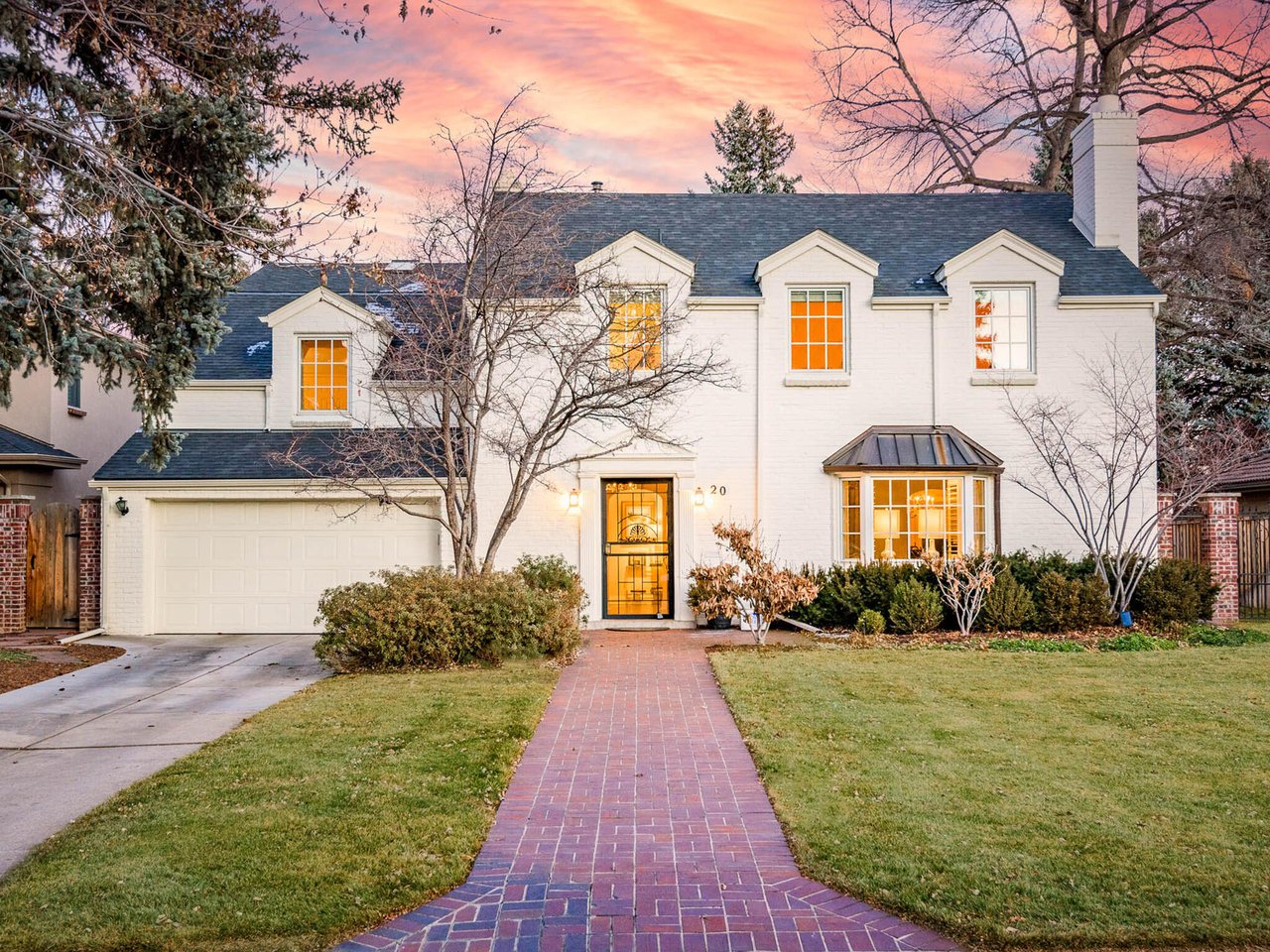
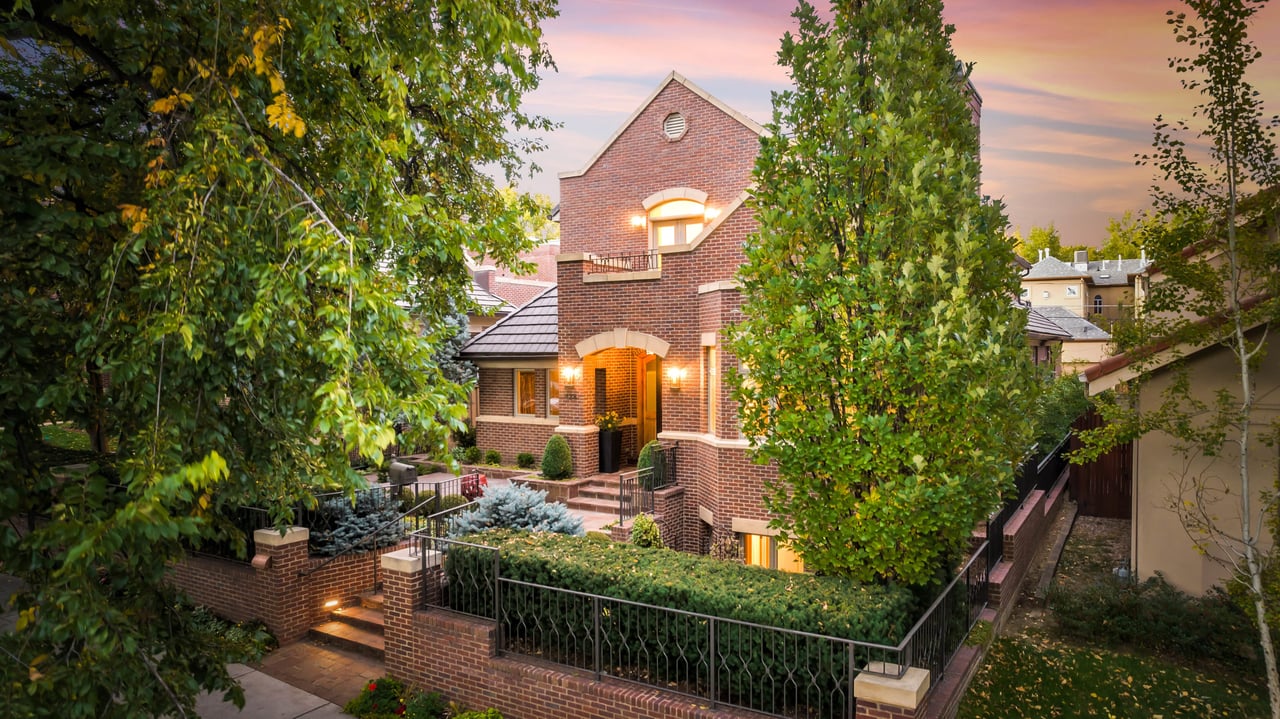
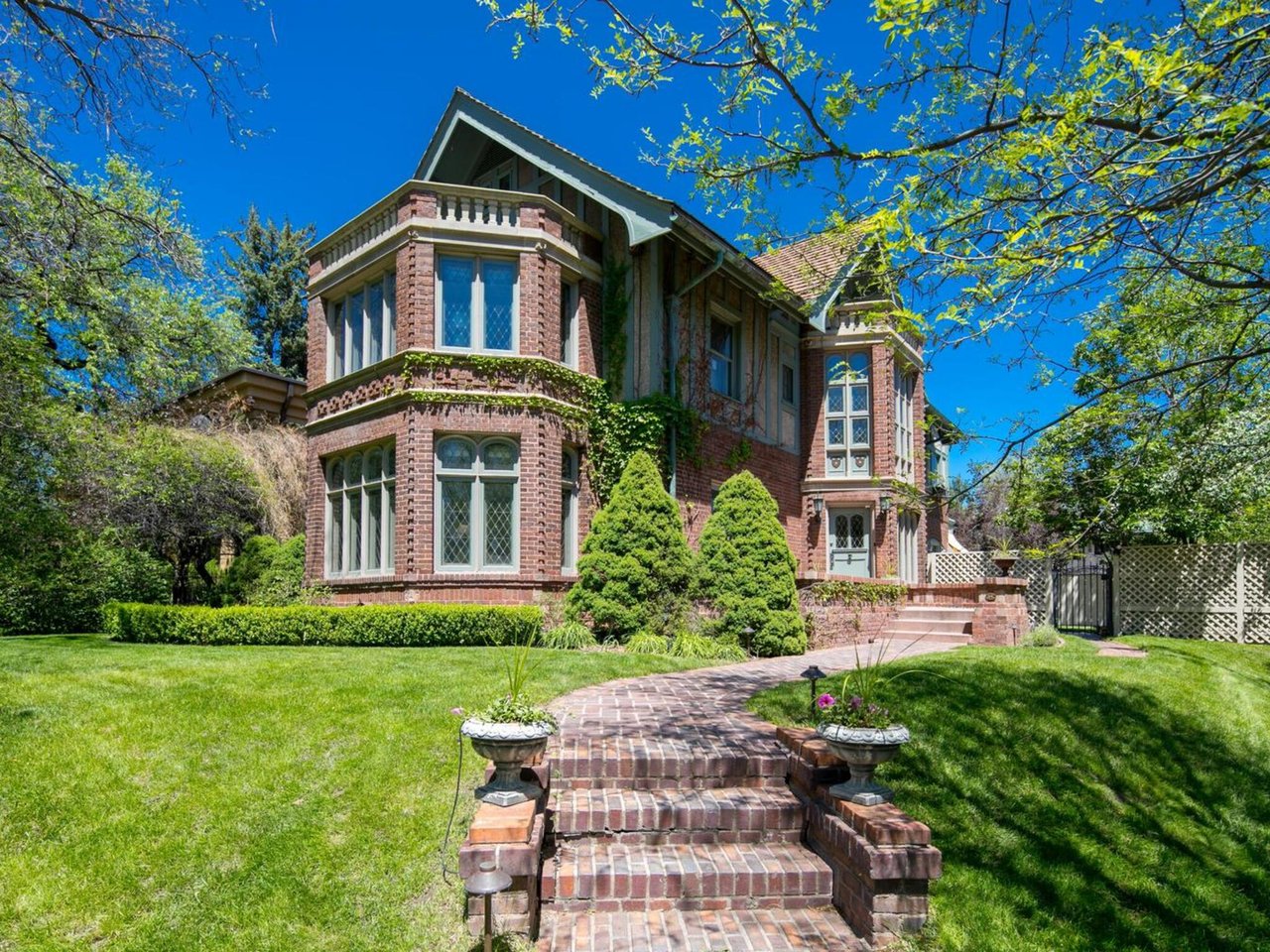
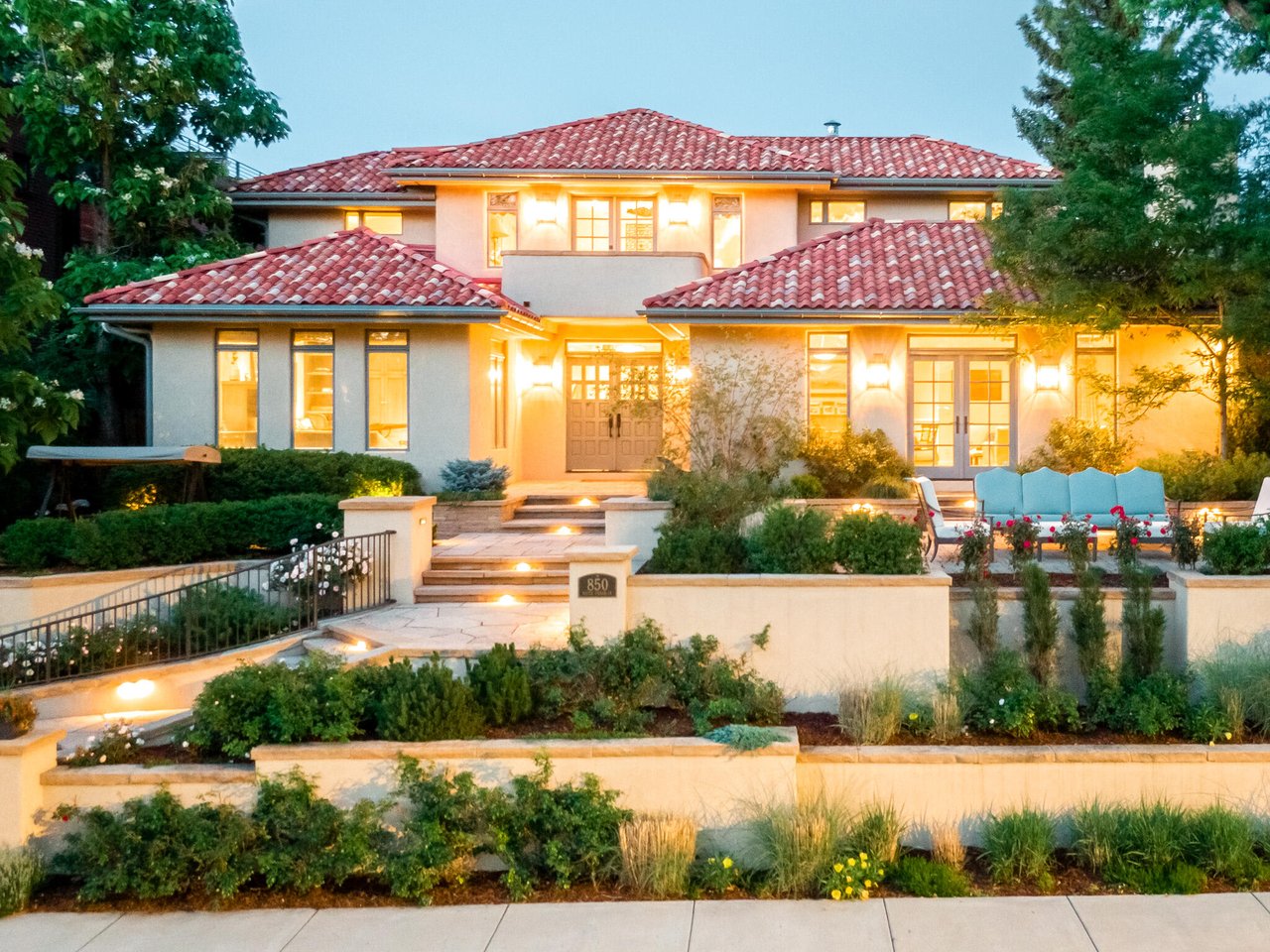
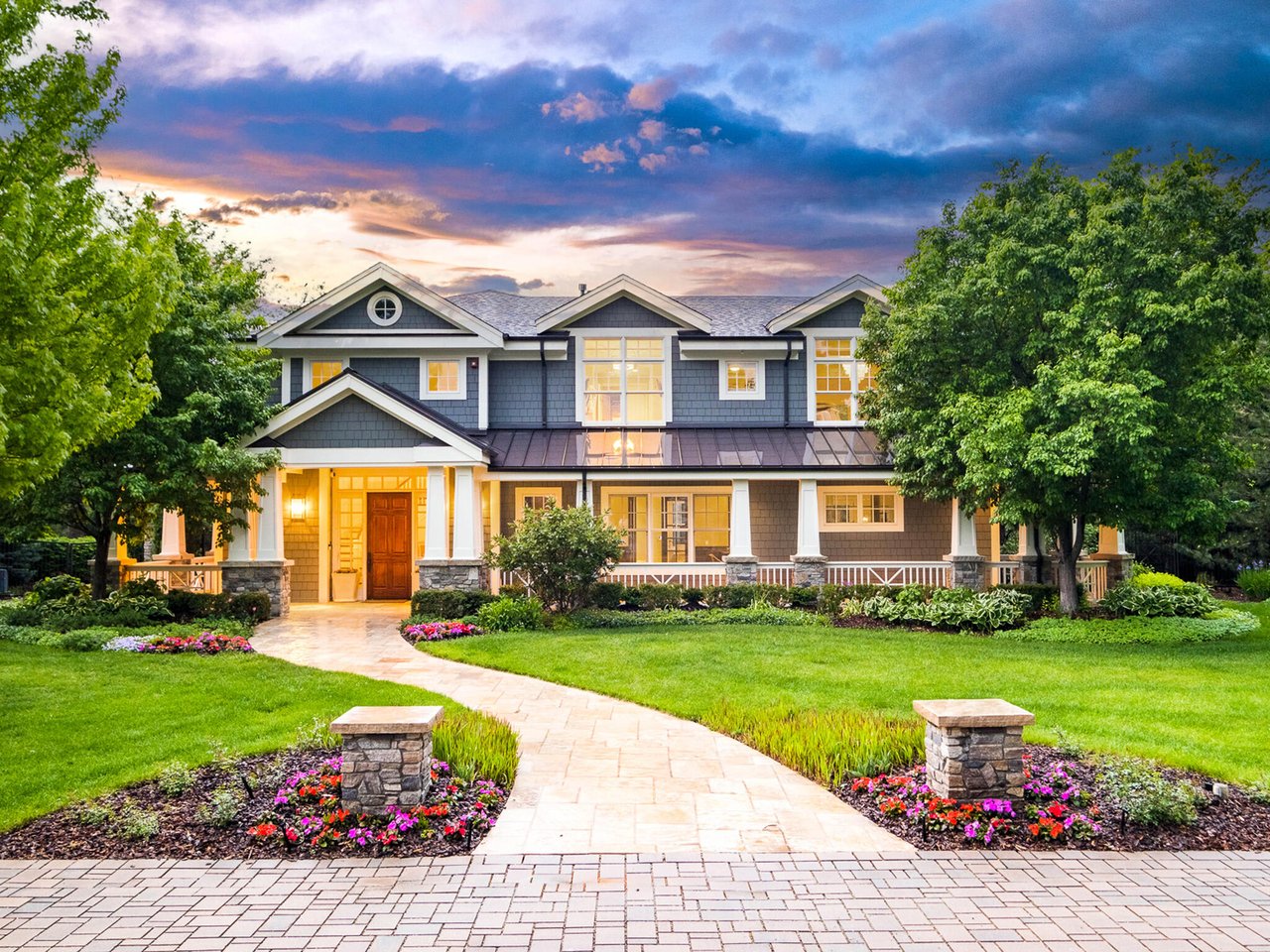
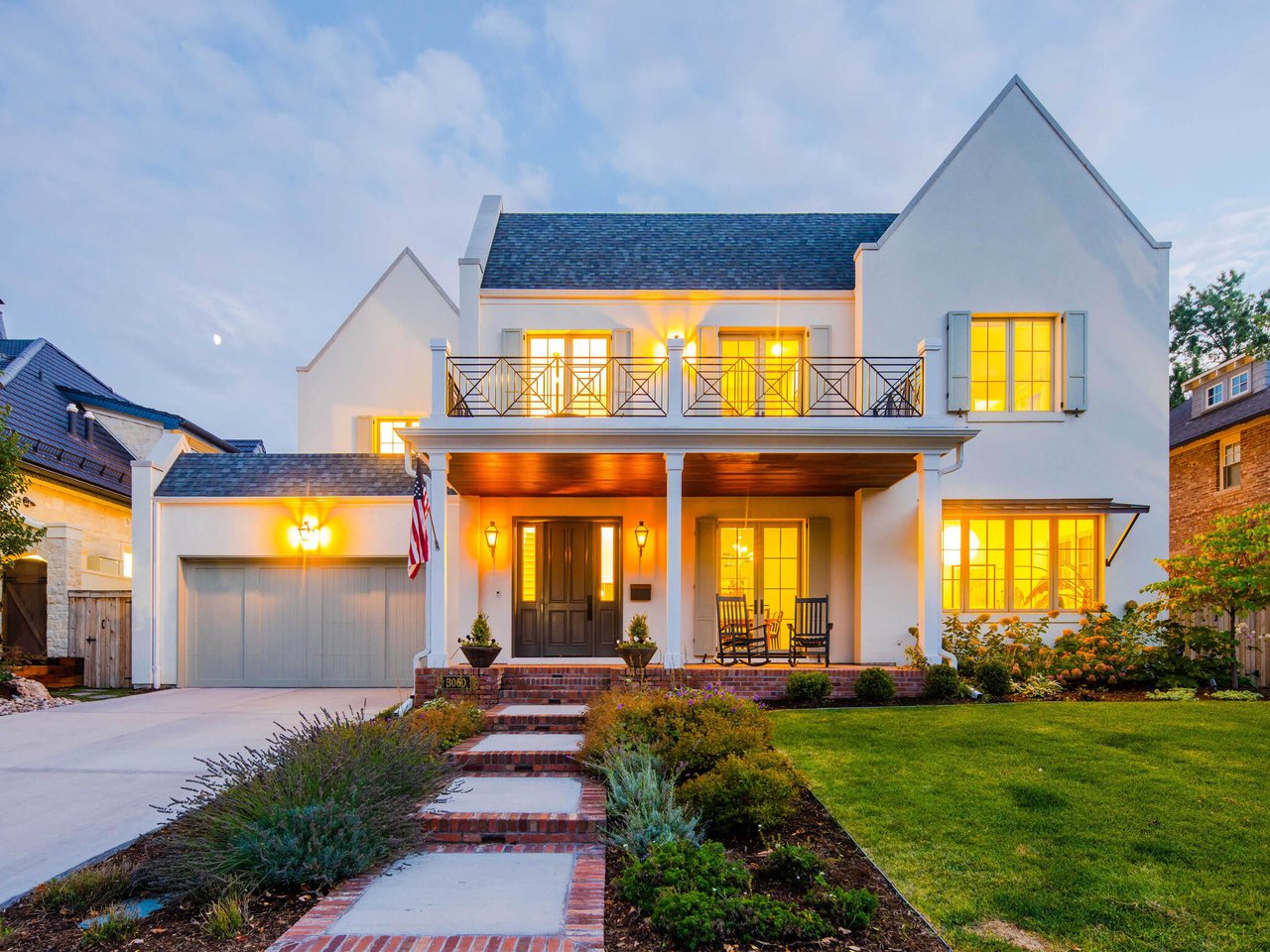
The streets around Washington Park reflect early 20th-century Denver development in a very visible way. Historic Denver’s citywide survey identifies Washington Park as a neighborhood with strong residential development from 1893 to 1941.
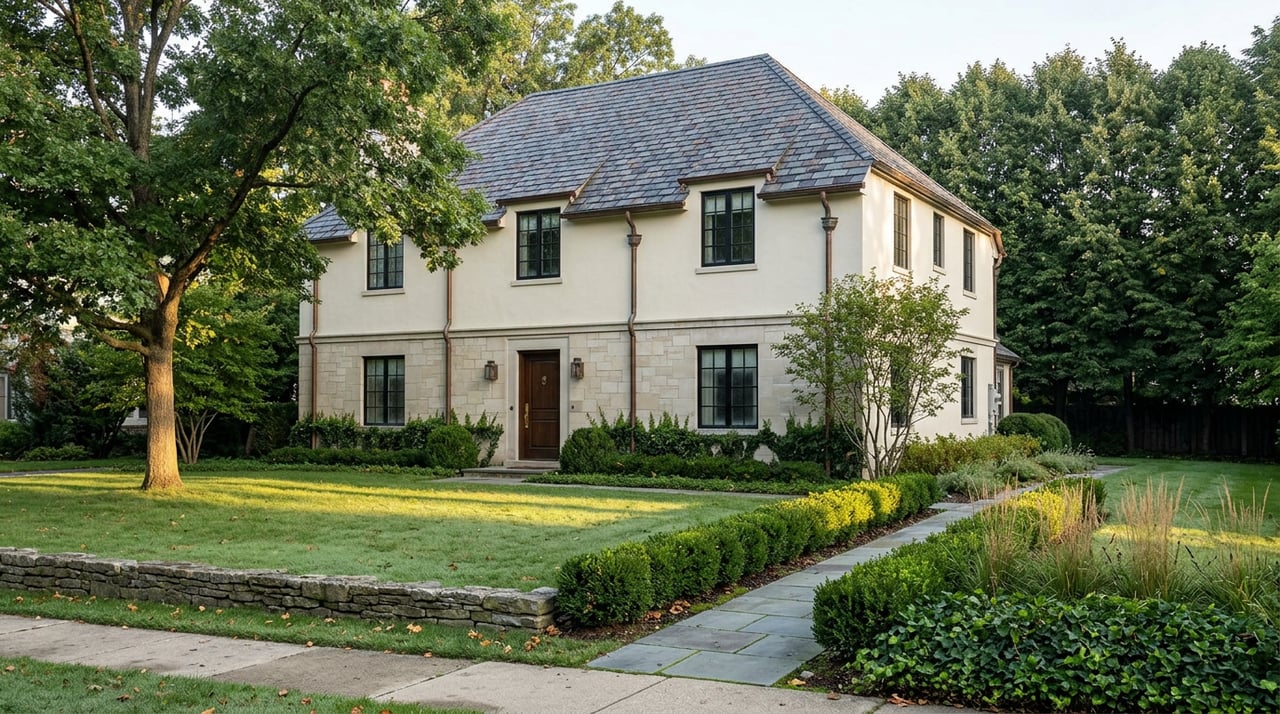
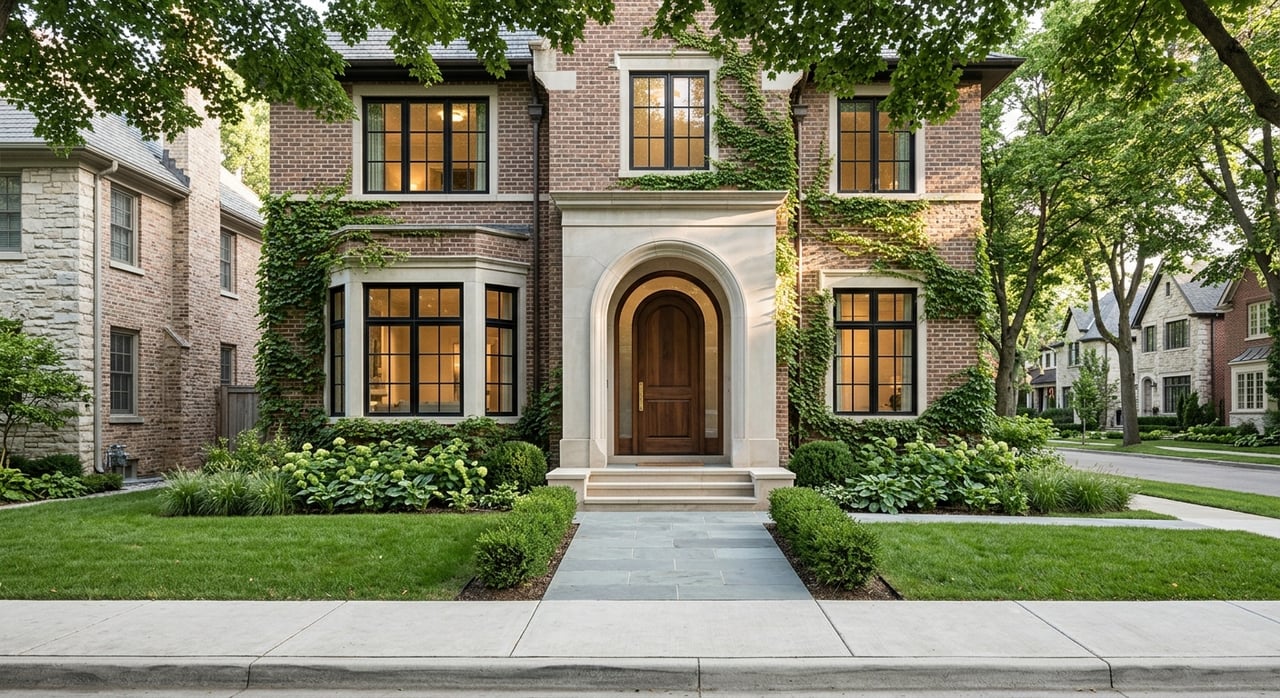
That history still shows up in the built environment today. Mature landscaping, established residential blocks, and older homes help create the calm, leafy setting that many buyers associate with the area.
Historic styles you are likely to see
Bungalow and Craftsman homes were especially common in Washington Park between 1910 and 1920. Single-family detached homes predominated during that period, which helps explain the neighborhood’s residential scale.
For buyers who value architecture, this is one of the defining parts of Wash Park. The neighborhood is not only known for location. It is also known for a streetscape where historic homes and long-established lots contribute to a sense of permanence.
Commercial corridors also evolved over time, with house conversions and small storefronts adding another layer of character. That blend supports the feeling that the neighborhood has grown naturally rather than all at once.
Getting Around Without Feeling Cut Off
One of the most appealing things about Washington Park is that it feels residential and park-forward while still connecting well to the larger metro area. You can enjoy a quieter daily environment without feeling isolated.
RTD’s Louisiana/Pearl Station serves the E and H rail lines, along with bus routes 11 and 12. I-25/Broadway serves the D, E, and H rail lines and bus routes 0, 0L, 11, and 14.
For many residents, that means you have options. You may choose to walk or bike for neighborhood routines, then use rail or bus service when you need to get downtown or travel farther south.
Practical access matters here
The neighborhood’s livability is not just about charm. It is also about how easily different parts of your day connect.
Denver Parks notes that some park roads remain closed to vehicles, while access to the recreation center is via Franklin Street at the Exposition and Kentucky entrances. That setup reinforces the park-oriented feel while still keeping key amenities accessible.
What a Full Day Really Looks Like
If you picture a full day in Wash Park, it often unfolds in simple, appealing layers. You might start with the loop around the lake, fit in a workout at the rec center, stop for coffee on South Pearl, and return later for dinner on South Gaylord.
That does not mean every day is busy. In fact, one of the neighborhood’s strengths is that it can feel calm and residential while still giving you choices close by. The lifestyle is active if you want it to be, but never forced.
For buyers and relocators, that is often the key takeaway. Washington Park offers a rare blend of historic residential character, daily convenience, and a true neighborhood rhythm shaped by the park itself.
If you are considering a move to Washington Park or want guidance on finding the right fit within Denver’s close-in neighborhoods, the Trish & Maggie Team offers thoughtful, design-aware insight grounded in deep local experience.
FAQs
What does a typical weekday in Washington Park look like?
- A typical weekday often starts with time in the park, such as walking, running, or biking the loop, then shifts to coffee, errands, or lunch on South Pearl or South Gaylord.
What makes Washington Park different from other Denver neighborhoods?
- Washington Park stands out for its 165-acre park, established residential streets, historic housing character, and nearby shopping corridors that support daily life without leaving the neighborhood.
What kinds of homes are common near Washington Park?
- Historic Denver identifies Washington Park as an area shaped by development from 1893 to 1941, with Bungalow and Craftsman homes especially common between 1910 and 1920.
What is South Pearl Street like in Washington Park?
- South Pearl Street is a tree-lined district known for locally owned boutiques, restaurants, seasonal events, and a Sunday farmers market that runs from May through November.
What is Historic South Gaylord like near Washington Park?
- Historic South Gaylord is a compact shopping and dining district with local businesses and community events, and many of its commercial spaces were converted from late-19th-century houses.
How do you get around from Washington Park to other parts of Denver?
- Washington Park is served by nearby RTD rail and bus connections, including Louisiana/Pearl Station and I-25/Broadway, which help connect the neighborhood to downtown and other parts of the metro.