Wondering whether University Park or Observatory Park feels more like you? If you are searching in this part of Denver, the decision often comes down to how you want to live day to day, not just what style of home catches your eye online. From historic homes near a namesake park to quieter interior blocks with broader access to trails, transit, and mixed-use corridors, each area offers a distinct rhythm. Let’s dive in.
Start With the Big Picture
For buyers, the cleanest way to think about this comparison is broad University Park versus the Observatory Park area around Chamberlin Observatory and the park itself. University Park is Denver’s official neighborhood designation, while Observatory Park is best understood as a highly recognizable area within the larger community.
That distinction matters because the lifestyle differences are real. One choice leans more park-centered and historic in feel, while the other gives you a wider range of block types, housing patterns, and access points.
University Park at a Glance
University Park covers about one square mile and offers a varied residential experience depending on the block. Denver’s neighborhood plan shows that 69% of the area’s net acreage is single-family, while multifamily uses make up a much smaller share and retail and services account for 2%.
The interior area between Columbine and Jackson is described as almost entirely single-family. Along South University Boulevard and South Colorado Boulevard, you will find the more mixed-use, transit-oriented edges that add convenience and connectivity.
This means University Park can feel different from one end to the other. Some blocks read as calm and residential, while others offer easier access to everyday errands, transit, and major routes.
Observatory Park at a Glance
Observatory Park centers on the original park for the community, a two-block green space between Evans and Iliff and Fillmore and Milwaukee. The area is closely tied to Chamberlin Observatory, which is owned by the University of Denver and sits just a few blocks from campus.
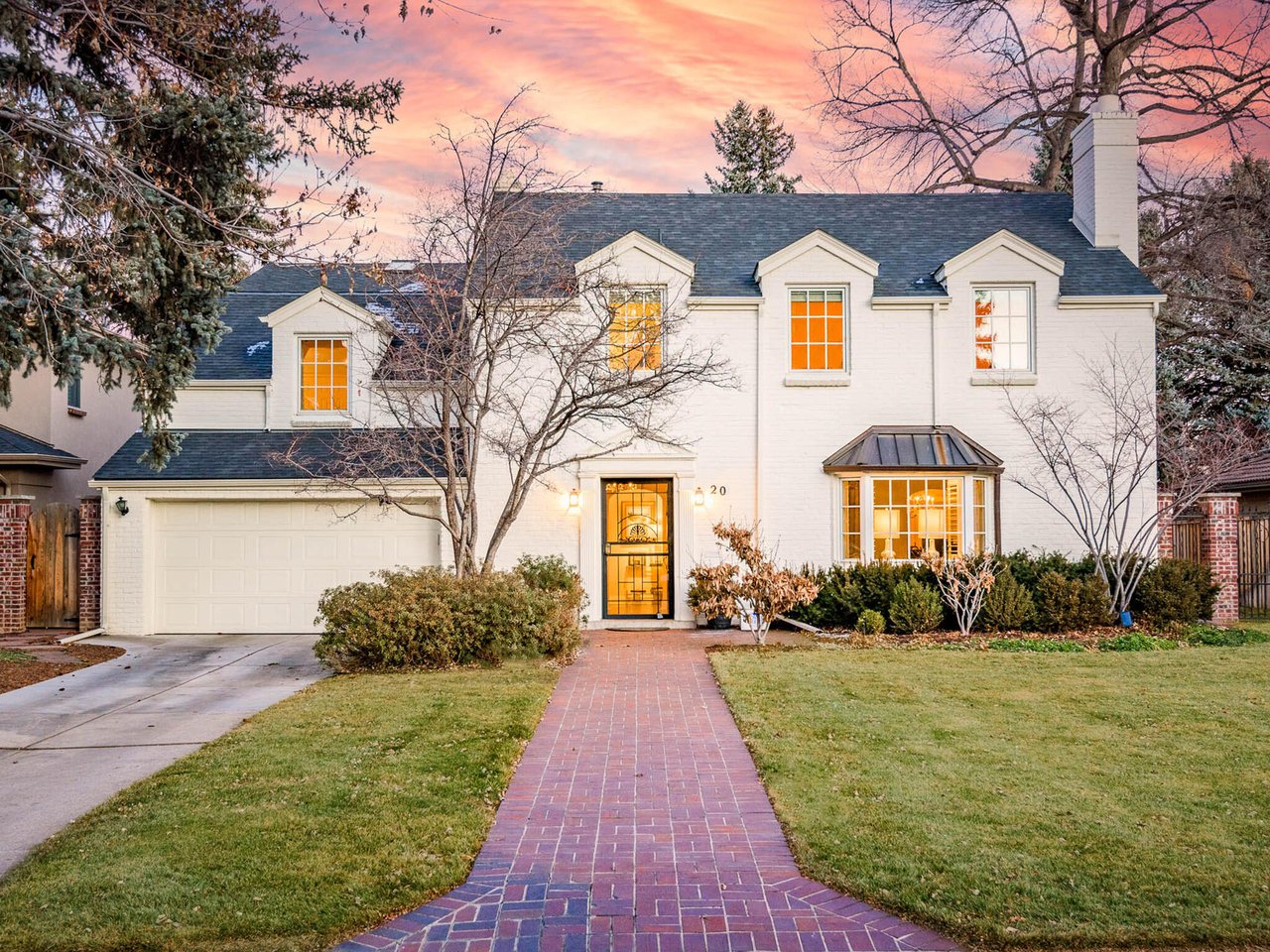
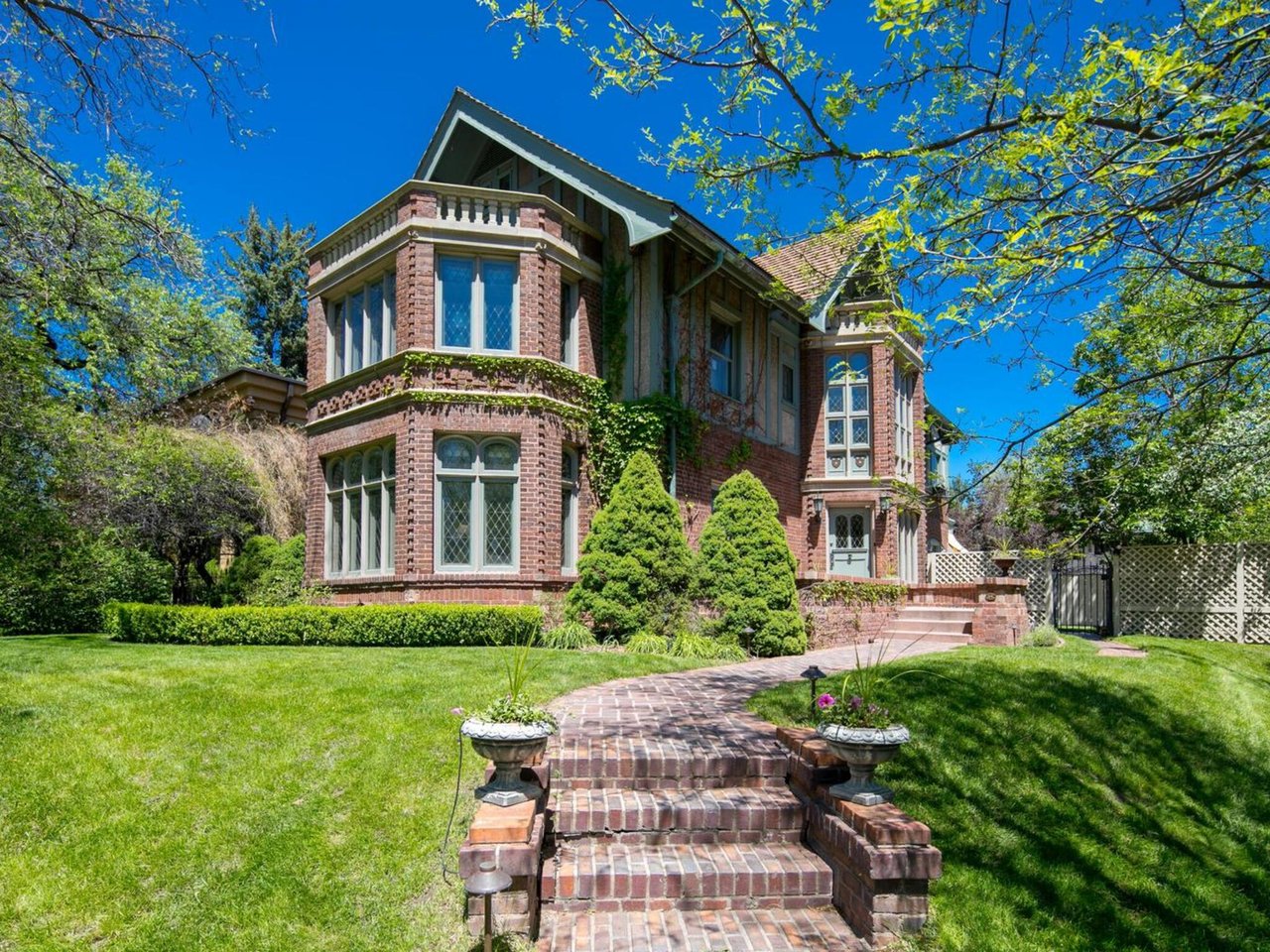
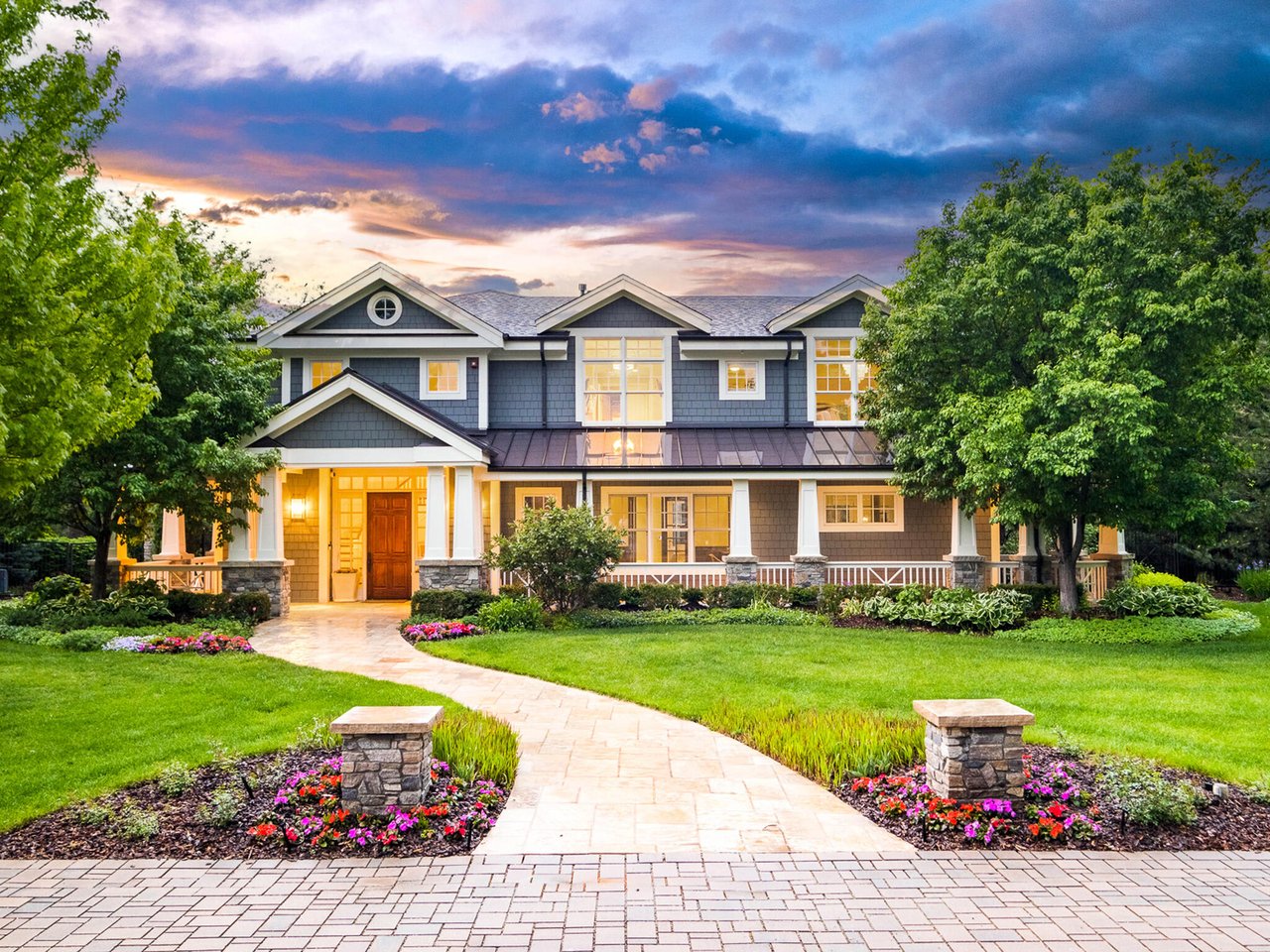
Around the park, the historic character stands out. Inventory records describe older homes, full-block estate lots, spacious side yards, and a range of architectural styles that include Richardsonian Romanesque, Shingle, Foursquare, bungalow, and Modernist examples.
If your ideal setting includes a strong sense of place, mature residential character, and homes that often feel tied to a longer architectural story, this area may pull you in quickly.
Housing Style and Lot Feel
University Park homes and block variety
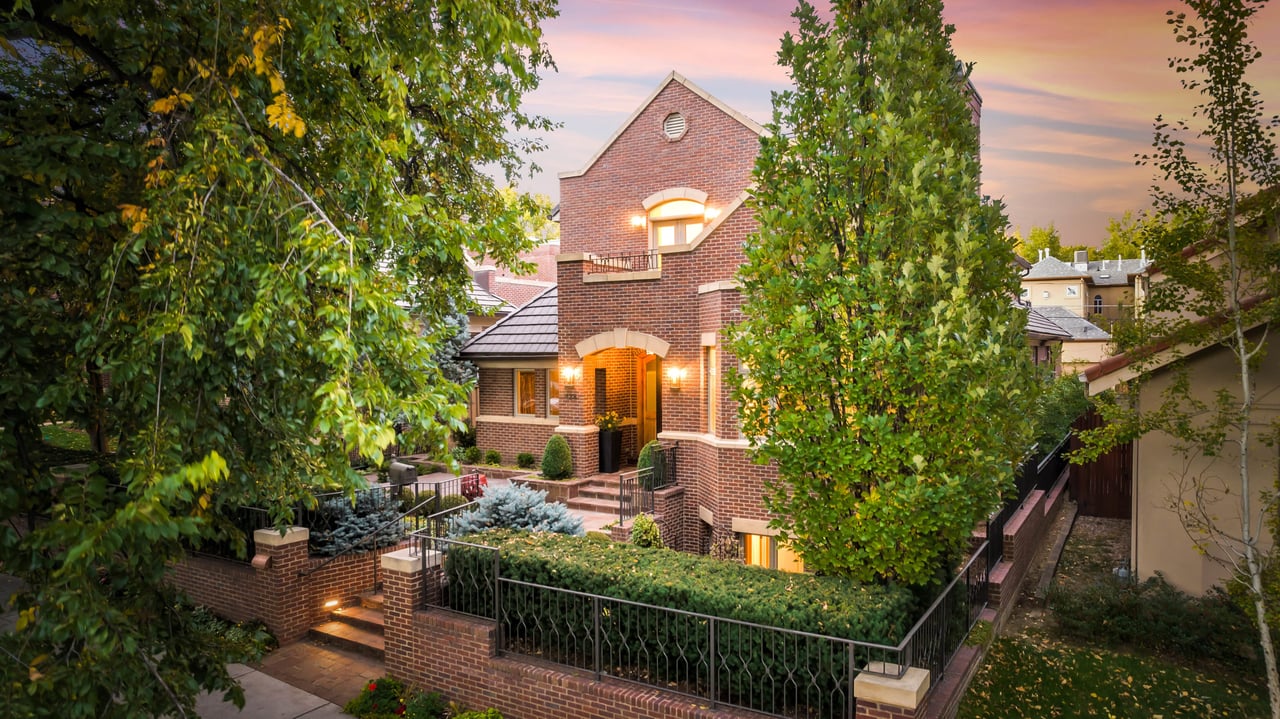
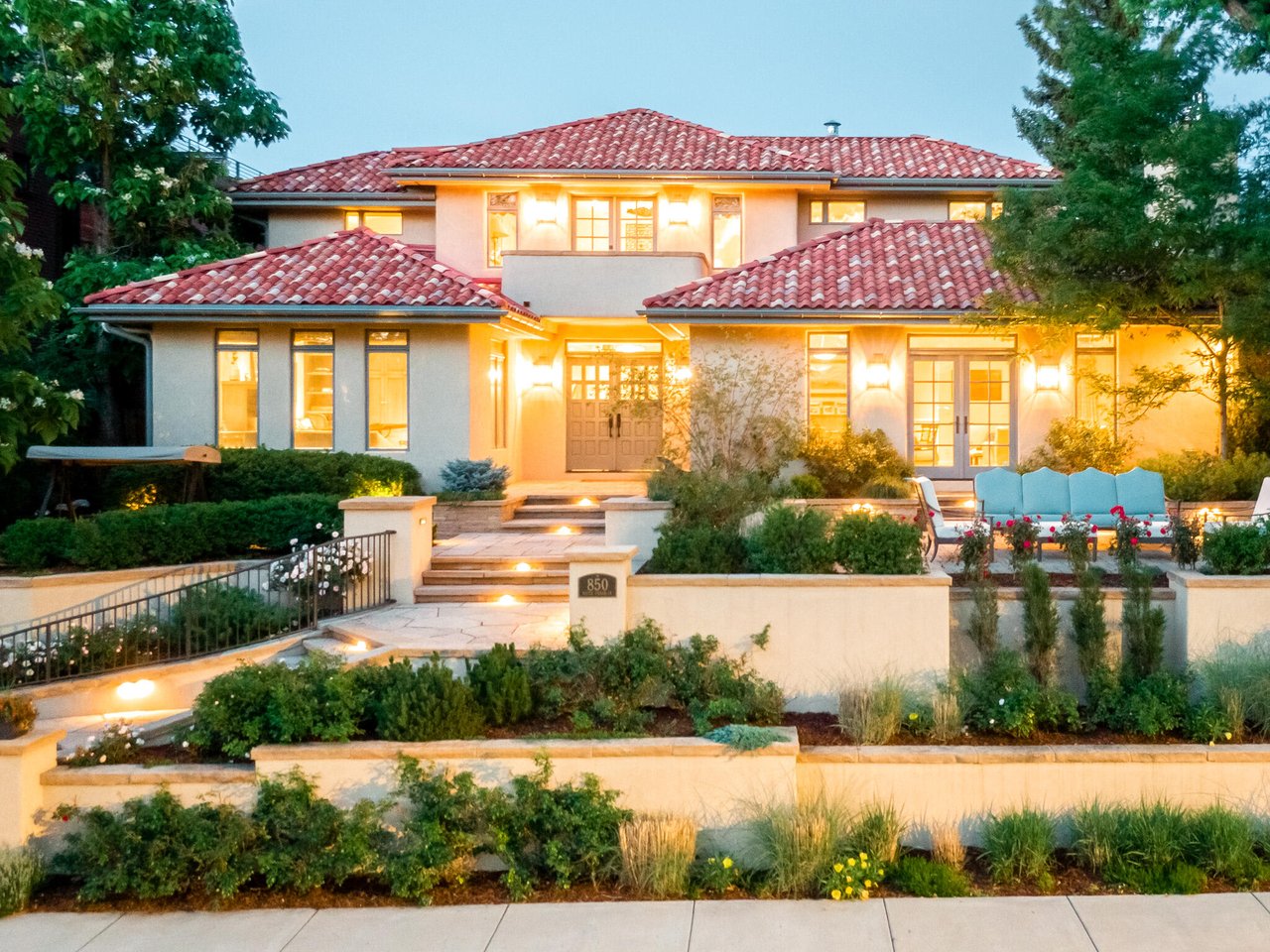
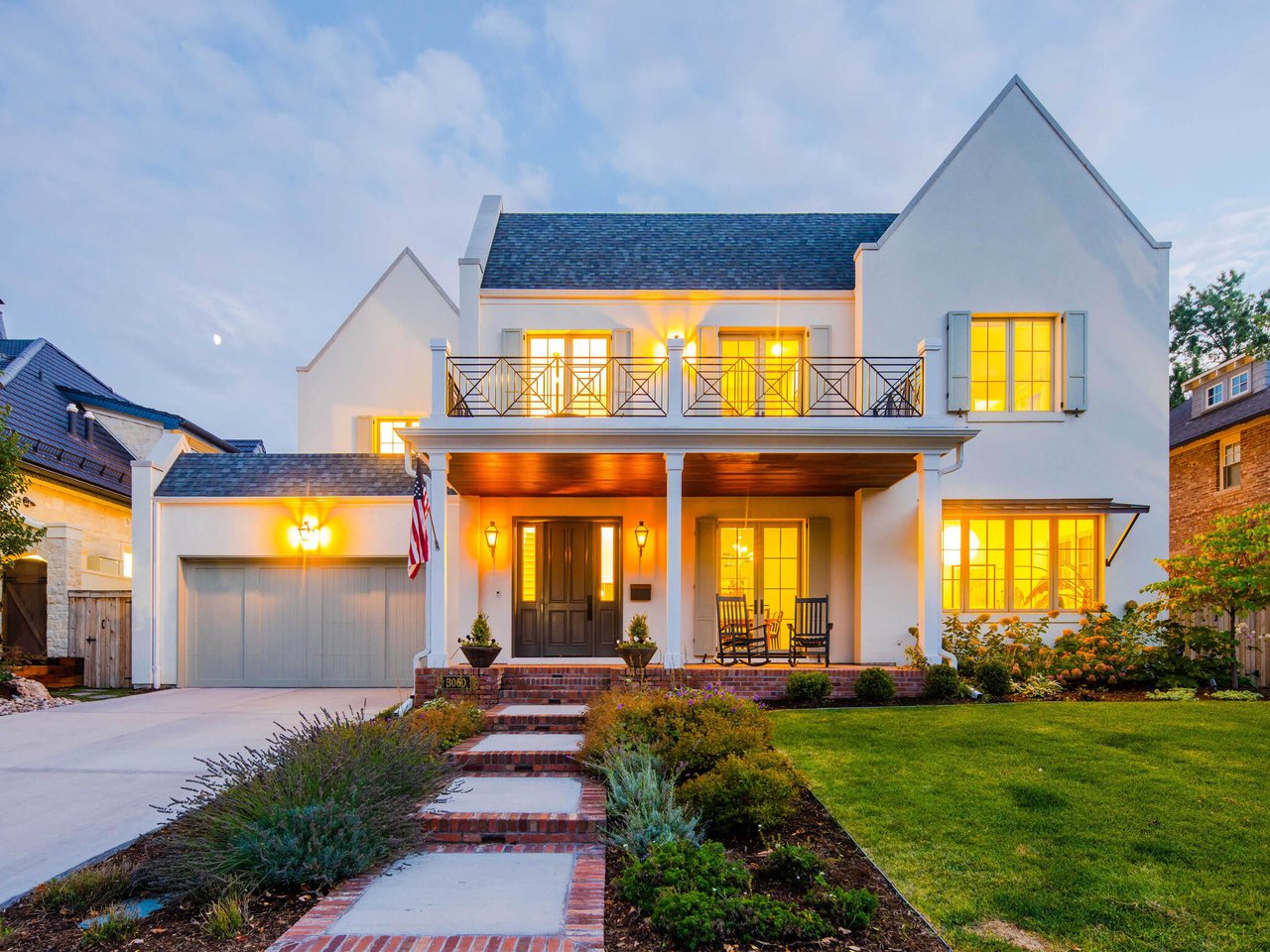
If you want options, University Park tends to offer more of them. The broader neighborhood includes established single-family streets, mixed-use edges, and areas where infill and zoning details can shape what one block feels like compared with the next.
That variety can be a plus if you are open-minded about housing type, lot layout, or future updates. It can also matter if you are renovation-minded, since local context notes that some blocks can accommodate the so-called long-house form, which has raised concerns about privacy and sunlight.
For buyers who like to compare a wider range of properties and street experiences before deciding, University Park gives you more to evaluate.
Observatory Park homes and historic character
Observatory Park tends to feel more cohesive around its namesake green space. The older-home pattern, larger lots, and spacious side yards create a more park-first residential setting.
This can be especially appealing if you are drawn to architectural character and a more established visual rhythm from home to home. Buyers who value historic homes often appreciate how the area’s lot sizes and siting contribute to that sense of openness.
Walkability and Daily Lifestyle
Living near DU
If being close to the University of Denver is high on your list, the Observatory Park area has the edge. Chamberlin Observatory is located just a few blocks from campus, which makes this area the strongest fit for buyers who want the shortest and most direct walk to DU in a park-centered setting.
That proximity can shape your day in subtle ways. You may find it easier to walk to campus, enjoy the open space around the park, and feel closely tied to this part of the neighborhood’s identity.
Parks and trails in University Park
If your lifestyle is more about having a menu of outdoor options, University Park offers impressive range. Community information identifies Observatory Park, McWilliams Park, Buchtel Centennial Park, Prairie Park, Harvard Gulch East, Harvard Gulch Trail, and Buchtel Trail as neighborhood assets.
The Harvard Gulch Trail runs from University Boulevard to Colorado Boulevard through the neighborhood. For buyers who like to walk, run, or bike close to home, that wider network can be a meaningful advantage.
Quiet blocks versus convenience
One of the most practical differences between these areas is how walkability changes by location. Denver’s neighborhood plan notes that mixed uses are concentrated along the edges, especially University Boulevard and Colorado Boulevard.
In real life, that means homes closer to DU and those main corridors usually feel more connected to shops, services, and transit. Interior single-family blocks often feel quieter and more residential. Neither is better across the board. It depends on whether you want a calmer street scene or quicker access to activity.
Transit and Commuting Access
If transit access matters, both areas benefit from strong nearby connections. The University of Denver Station at 1901 E Buchtel Boulevard serves the E and H light rail lines and Route 24 on University Boulevard.
Colorado Station at 4300 E Colorado Center Drive serves the E and H lines plus Routes 21, 40, and 46. RTD notes that it is near Evans and I-25, which can be useful if you want broader commuting options.
Denver is also studying and improving key routes in this area. The University Neighborhood Safer Streets project focuses on intersections along Buchtel, Evans, University, and Colorado, including safer access to Colorado Station and the University and Colorado station areas. The East Yale Avenue Corridor Study also highlights Yale as an east-west link running under I-25 and connecting University Park with neighborhoods to the east and south.
For buyers, the takeaway is simple: if your routine depends on light rail, bus service, or easier movement across central Denver, the broader University Park area may offer more flexibility depending on exactly where you land.
Which Area Fits Your Lifestyle?
Choose Observatory Park if you want:
- A park-centered setting
- Close proximity to DU
- Older homes with stronger historic character
- Larger lots and more spacious side yards
- A residential feel that is visually anchored by the park
Observatory Park is often the better match if your idea of home includes architecture, established surroundings, and an immediate connection to one of the neighborhood’s most defining open spaces.
Choose University Park if you want:
- More block-to-block variety
- Access to multiple parks and trails
- Closer connection to mixed-use corridors
- More transit edge options
- A wider range of home and lot contexts to compare
University Park is often the stronger fit if you value flexibility, convenience, and a neighborhood that offers more than one type of living experience within its boundaries.
A Smart Way to Compare in Person
When you tour these areas, try to look beyond the house itself. Pay attention to the walk from the front door to the nearest park, trail, station, or main corridor. Notice whether the block feels steady and uniform or more mixed in style and scale.
It also helps to tour at different times of day. Morning, afternoon, and early evening can each reveal something different about traffic flow, quiet, and how connected a location feels.
For design-conscious buyers, this is where the details matter. A historic home near Observatory Park may offer architectural depth and lot presence, while a home in broader University Park may deliver a better blend of access, flexibility, and future potential.
Choosing between University Park and Observatory Park is really about choosing the kind of daily experience you want. If you value historic character, larger lots, and a park-first setting near DU, Observatory Park may feel like home. If you want broader neighborhood variety, multiple outdoor amenities, and stronger corridor and transit access, University Park may be the better fit.
If you would like a thoughtful, block-by-block perspective on where your priorities align best, the Trish & Maggie Team would be glad to help.
FAQs
What is the difference between University Park and Observatory Park in Denver?
- University Park is the official Denver neighborhood, while Observatory Park is the area centered around the park and Chamberlin Observatory within the larger University Park community.
Which area is better for walking to the University of Denver?
- The Observatory Park area is generally the stronger fit if you want the shortest, most park-centered walk to DU.
What is housing like in University Park, Denver?
- University Park is primarily single-family, with quieter interior residential blocks and more mixed-use, transit-oriented edges along South University Boulevard and South Colorado Boulevard.
What is housing like around Observatory Park, Denver?
- The area around Observatory Park is known for older homes, larger lots, spacious side yards, and a broad mix of historic architectural styles.
Which area offers more parks and trails, University Park or Observatory Park?
- The broader University Park neighborhood offers access to multiple parks and trails, including Harvard Gulch Trail, Buchtel Trail, McWilliams Park, Prairie Park, and Observatory Park itself.
Is University Park convenient for transit and commuting?
- Yes. Nearby options include the University of Denver Station and Colorado Station, along with bus routes and key connections along Buchtel, Evans, University, Colorado, and Yale.