Wondering if you can have downtown Denver convenience without the upkeep that comes with a larger home? In Riverfront Park, that balance is exactly what draws many buyers in. If you want refined, low-maintenance living with park access, trail connections, and quick access to Union Station and LoDo, this neighborhood deserves a close look. Let’s dive in.
Why Riverfront Park works so well
Riverfront Park was planned as a residential district at the heart of Denver’s Central Platte Valley, bordered by major open space, river access, and connections into downtown. Planning sources describe it as a livable mixed-use neighborhood with strong open-space ties rather than a purely commercial downtown zone.
That matters if you are looking for a true lock-and-leave lifestyle. Instead of centering daily life around private yard care or large-lot maintenance, Riverfront Park was designed around shared amenities, walkability, and access to parks and city conveniences. The result feels more like an urban retreat than a typical downtown address.
ULI notes that the neighborhood was intentionally created as a quiet urban residential area next to open space and downtown amenities. Developers even framed it as an urban-resort style setting for buyers who wanted a city residence with a more relaxed feel.
What lock-and-leave means here
In Riverfront Park, lock-and-leave living usually means choosing a home where much of the exterior and shared-property maintenance is handled through a condo or HOA structure. Colorado’s Division of Real Estate explains that HOA and condo communities are common-interest communities where boards maintain common elements, collect assessments, and pay bills.
For many buyers, that setup supports a simpler day-to-day routine. Common elements may include spaces such as lobbies, elevators, hallways, rooftops, pools, and clubhouses, depending on the building. If you travel often, split time between homes, or simply want less upkeep, that can be a meaningful advantage.
That said, not every residence in Riverfront Park offers the same experience. Before you buy, it is important to review governing documents, maintenance arrangements, and the financial health of the association so you understand exactly what is covered and what is not.
Property types in Riverfront Park
One of Riverfront Park’s strengths is range. This is not a one-building neighborhood, and it is not limited to one style of buyer. Over time, the district developed with condos, lofts, flats, brownstones, and walk-up townhomes in a compact area.
Early buildings included Riverfront Tower, Promenade Lofts, and Park Place Lofts around a central plaza with restaurant and retail space. Later phases added Creekside Lofts, Creekside Townhomes, Brownstones, Art House townhomes, One Riverfront, Glass House, Park at One Riverfront, and other infill residences.
For you as a buyer, that variety creates real choice. You may prefer a full-service tower feel, a loft with a more industrial edge, or a townhome with more square footage and direct access to outdoor paths. Riverfront Park gives you multiple ways to approach low-maintenance luxury living.
Condos and towers
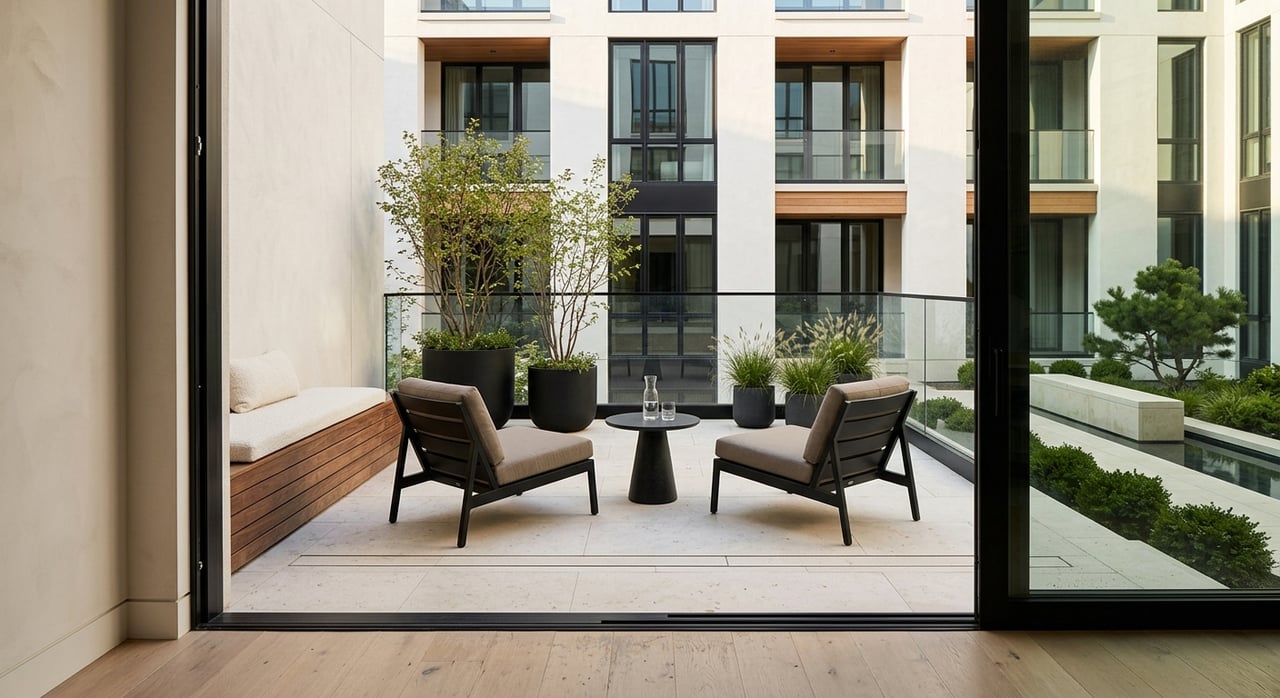
If you want a more service-oriented lifestyle, tower living may be the strongest fit. Some buildings in the neighborhood are known for amenity packages that can include features such as fitness centers, pools, front desk service, club lounges, media rooms, fire pits, and other shared spaces.
This type of home often appeals to downsizers, pied-à-terre buyers, and busy professionals who value convenience and a more managed residential environment. It can also offer a clean, streamlined way to enjoy downtown Denver without taking on the responsibilities of a larger detached property.
Lofts and flats
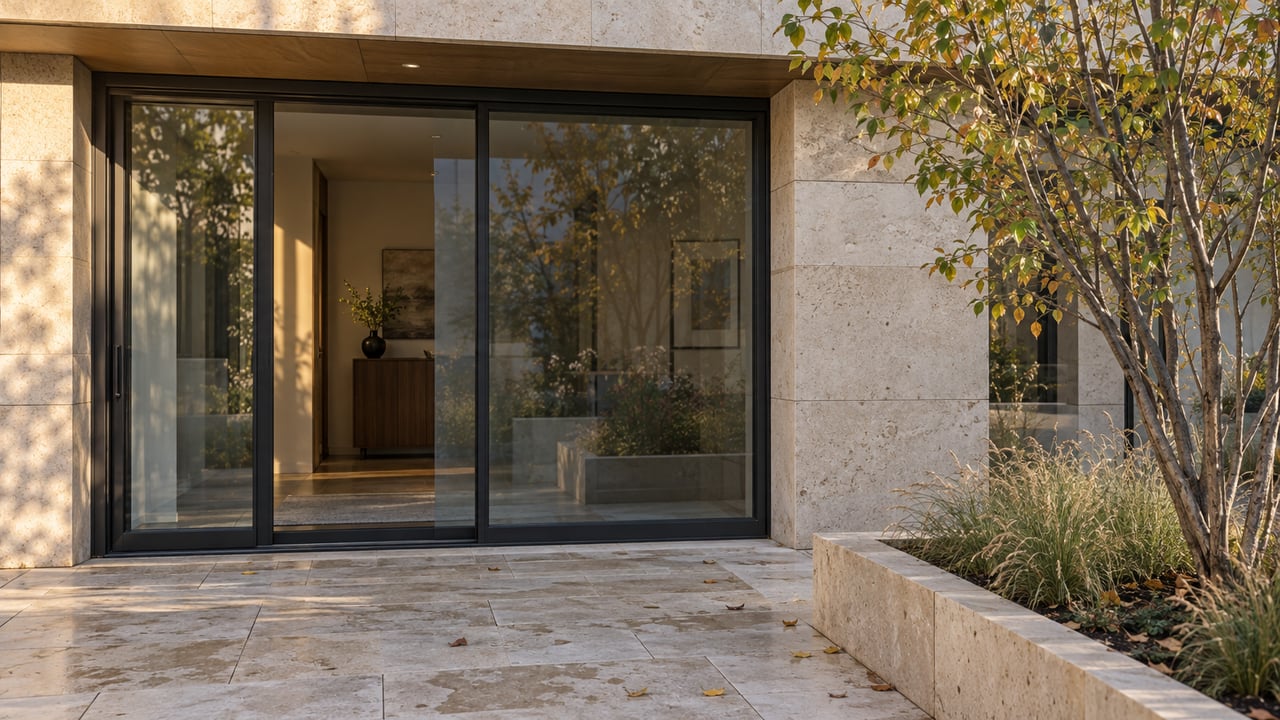
Lofts and flats can offer a different kind of appeal. In Riverfront Park, some of the earlier architecture blended traditional Denver materials like brick, granite, and sandstone with more modern forms, creating homes that feel grounded, urban, and design-conscious.
If you like character, texture, and a less conventional floor plan, this category may be worth exploring. It can be especially appealing if you want lock-and-leave ease without sacrificing architectural personality.
Brownstones and townhomes
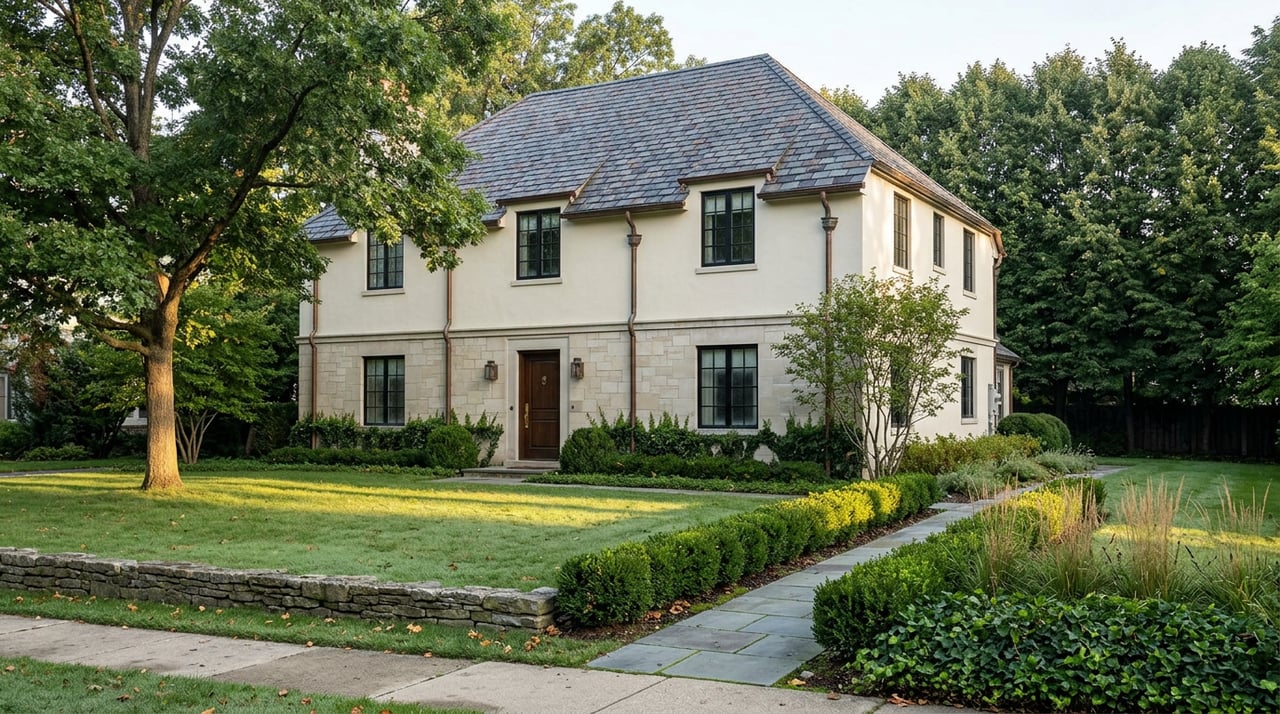
Riverfront Park also helped popularize brownstones and townhomes in downtown Denver. These homes can provide more privacy, more vertical separation, and often more living space than a traditional condo.
For some buyers, that is the sweet spot. You still gain the benefits of an urban location and generally lower-maintenance ownership, but with a floor plan that may feel more like a house. Some townhome-style options also offer especially easy access to walking and biking trails.
The real luxury is outside your door
In Riverfront Park, the strongest amenity may not be inside any one building. It is the neighborhood’s immediate access to parks, trails, and public spaces that make daily life feel easy and elevated.
Commons Park is the anchor. ULI describes it as the district’s primary park amenity, with active open space and a pedestrian bridge over the South Platte River that helps connect residents to nearby areas north of the river.
That connection gives the neighborhood breathing room. Instead of stepping out into a hard-edged downtown streetscape, you have open green space and river access woven into everyday life. For many buyers, that is what separates Riverfront Park from other central Denver options.
Trails and river access
Riverfront Park ties into a broader recreation and mobility network along the South Platte. Denver’s Healthy River Corridor work treats the river as a major corridor for both movement and recreation, which helps explain why the neighborhood feels so connected beyond its own blocks.
If you enjoy walking, biking, or simply having outdoor options close at hand, that network is a major part of the appeal. The area also includes downtown dog-friendly amenities such as Railyard Dog Park at 19th and Little Raven, listed by Denver Parks & Recreation.
Easy links to LoDo and beyond
The Millennium Bridge is one of the neighborhood’s defining features. ULI says it aligns with the 16th Street Mall and links Commons Park with LoDo, reinforcing Riverfront Park’s role as a pedestrian-connected district rather than a separate pocket.
An 18th Street bridge later added another direct link to the Union Station area. Together, these connections make it easy to enjoy downtown destinations while returning home to a more residential setting.
Union Station access adds flexibility
For many lock-and-leave buyers, transportation matters almost as much as the home itself. Riverfront Park benefits from close access to Denver Union Station, which RTD identifies as the region’s intermodal hub.
Union Station brings together light rail, commuter rail, Amtrak, buses, taxis, shuttles, and bike and pedestrian access. It also functions as a downtown destination with dining, shopping, event programming, and free downtown shuttle connections.
That level of connectivity can be especially appealing if you travel regularly, host out-of-town guests, or want a home base that makes moving around the city and region feel simple. It adds flexibility without requiring you to live directly in the center of a transit hub.
Riverfront Park vs. LoDo
If you are comparing central Denver neighborhoods, LoDo and Riverfront Park can both be attractive, but they offer a different day-to-day rhythm. Visit Denver describes LoDo as one of the city’s liveliest districts, with a large concentration of restaurants, breweries, rooftop cafes, music clubs, and sports bars.
Riverfront Park offers proximity to that energy without placing you in the middle of it. It was designed around residential blocks, open space, and pedestrian connections. If you want convenience and access, but also value a calmer home environment, that distinction is important.
Riverfront Park vs. Union Station
Union Station and Riverfront Park share excellent connectivity, but the feel is not identical. Union Station functions as a major multimodal center and destination, while Riverfront Park reads more as a residential park district with quieter streets and a broader mix of housing types.
For downsizers, executives, or pied-à-terre buyers, that difference can shape the entire ownership experience. You can remain close to transit and downtown activity while enjoying more of a neighborhood atmosphere at home.
Who Riverfront Park may suit best
No neighborhood is one-size-fits-all, but Riverfront Park tends to stand out for buyers who want convenience, design variety, and a more simplified ownership model. It can be especially compelling if you value quality of life as much as square footage.
You may want to look closely at Riverfront Park if you are seeking:
- A low-maintenance primary residence in central Denver
- A refined pied-à-terre with strong downtown access
- A downsizing option that still feels polished and well-located
- Easy access to parks, trails, and riverfront open space
- A home near Union Station without living in the busiest core
- A choice between towers, lofts, brownstones, and townhomes
What to evaluate before you buy
A lock-and-leave lifestyle only works well when the details support it. In Riverfront Park, the right fit depends on more than location alone. Building style, HOA structure, amenity mix, and maintenance responsibilities all play a role.
As you compare options, pay attention to:
- The type of residence that fits your daily routine
- What the HOA maintains and what remains your responsibility
- The financial health and governance documents of the association
- Whether amenities match how you actually live
- How close you want to be to parks, trails, and Union Station connections
- The overall residential feel of the block or building
For many buyers, the most successful choice comes down to alignment. The best Riverfront Park home is not simply the one with the longest amenity list. It is the one that fits how you want to live in Denver now.
Riverfront Park offers a distinctive version of luxury living in Denver: polished but practical, urban but calm, connected but still residential. If you want a home that supports easy travel, less maintenance, and immediate access to the best of downtown and the riverfront, it is easy to see why this neighborhood continues to stand out.
If you are thinking about buying in Riverfront Park or comparing it with other central Denver options, the Trish & Maggie Team can help you evaluate the lifestyle, building mix, and design fit with clarity and discretion.
FAQs
What makes Riverfront Park a lock-and-leave neighborhood in Denver?
- Riverfront Park was planned around shared amenities, walkability, open space, and mixed-use residential living, which can reduce the maintenance demands that often come with larger homes and private yards.
What kinds of homes are available in Riverfront Park, Denver?
- Buyers can find a mix of tower condos, lofts, flats, brownstones, and walk-up townhomes, with building styles that range from masonry-based urban design to more glass-forward contemporary towers.
How close is Riverfront Park to Denver Union Station?
- Riverfront Park has direct access to the broader Union Station area through neighborhood connections such as the 18th Street bridge, and Union Station serves as the region’s intermodal transit hub.
How does Riverfront Park compare with LoDo for Denver buyers?
- LoDo is generally known for a more active nightlife and entertainment scene, while Riverfront Park tends to feel calmer and more residential, with stronger emphasis on open space and park access.
What should buyers review in a Riverfront Park HOA or condo community?
- Buyers should review governing documents, maintenance responsibilities, common elements, assessments, and the association’s financial health before purchasing.
Why do downsizers and pied-à-terre buyers consider Riverfront Park?
- The neighborhood combines lower-maintenance ownership options, design variety, park and trail access, and close proximity to downtown Denver amenities and transit connections.