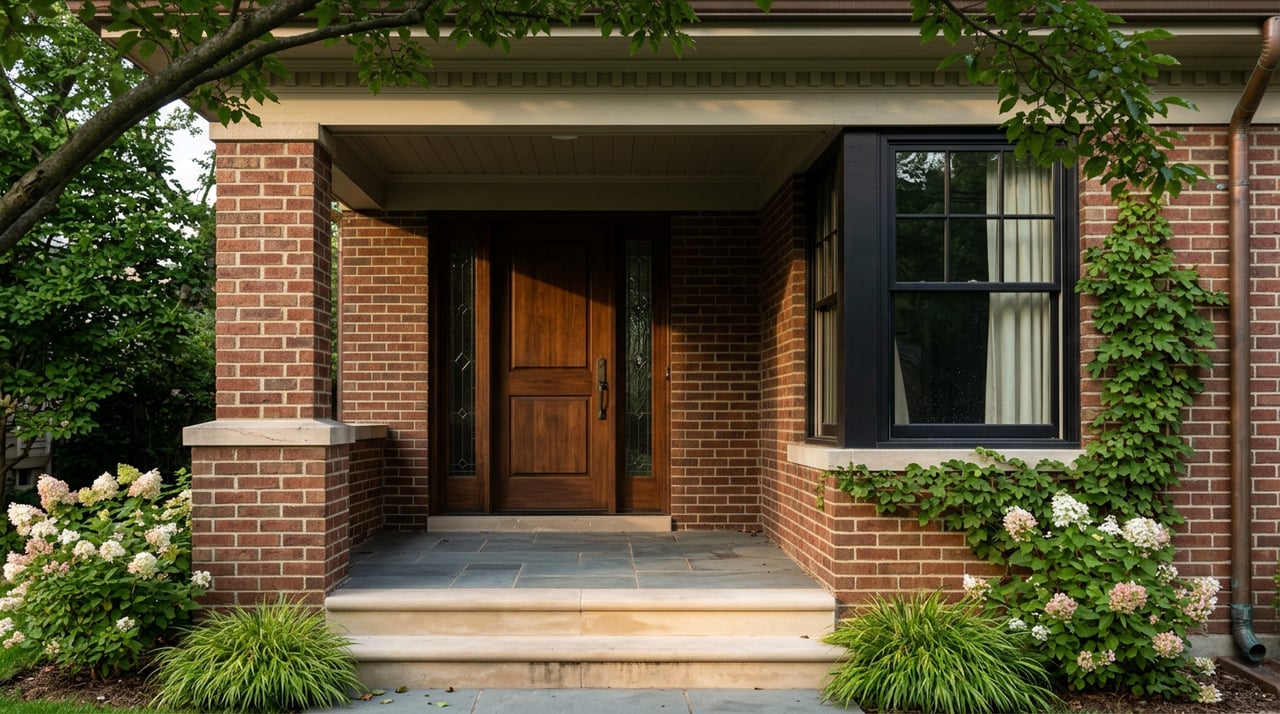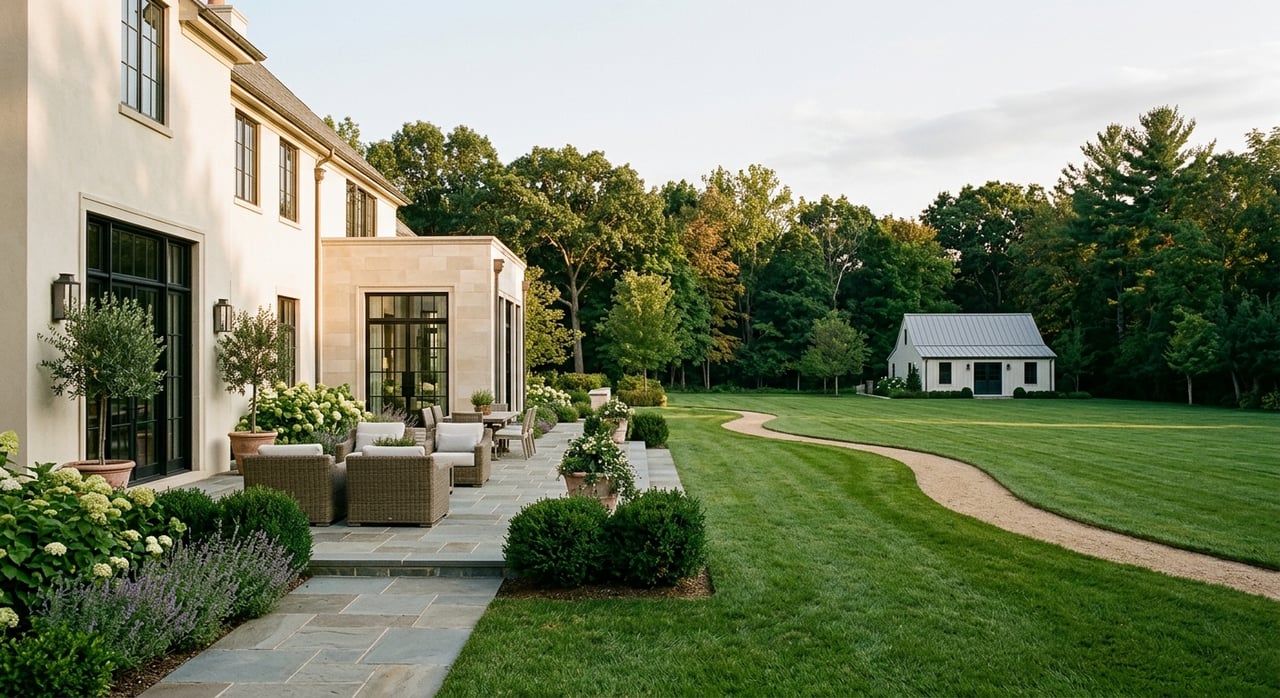
If you are searching for acreage in Cherry Hills Village, the lot size on paper only tells part of the story. In a place known for a semi-rural feel, trail access, and estate properties, what matters most is how the land actually lives day to day. This guide will help you evaluate acreage, amenities, and usability so you can compare properties with more clarity and confidence. Let’s dive in.
Why acreage feels different here
Cherry Hills Village is a predominantly residential community of about 6.5 square miles just south of Denver, with roughly 6,389 residents in 2025. The city describes its setting as a unique rural environment within a major metro area, with more than 34 miles of trails, 47 acres of parks and open space, two golf courses, an active public arts program, and three schools.
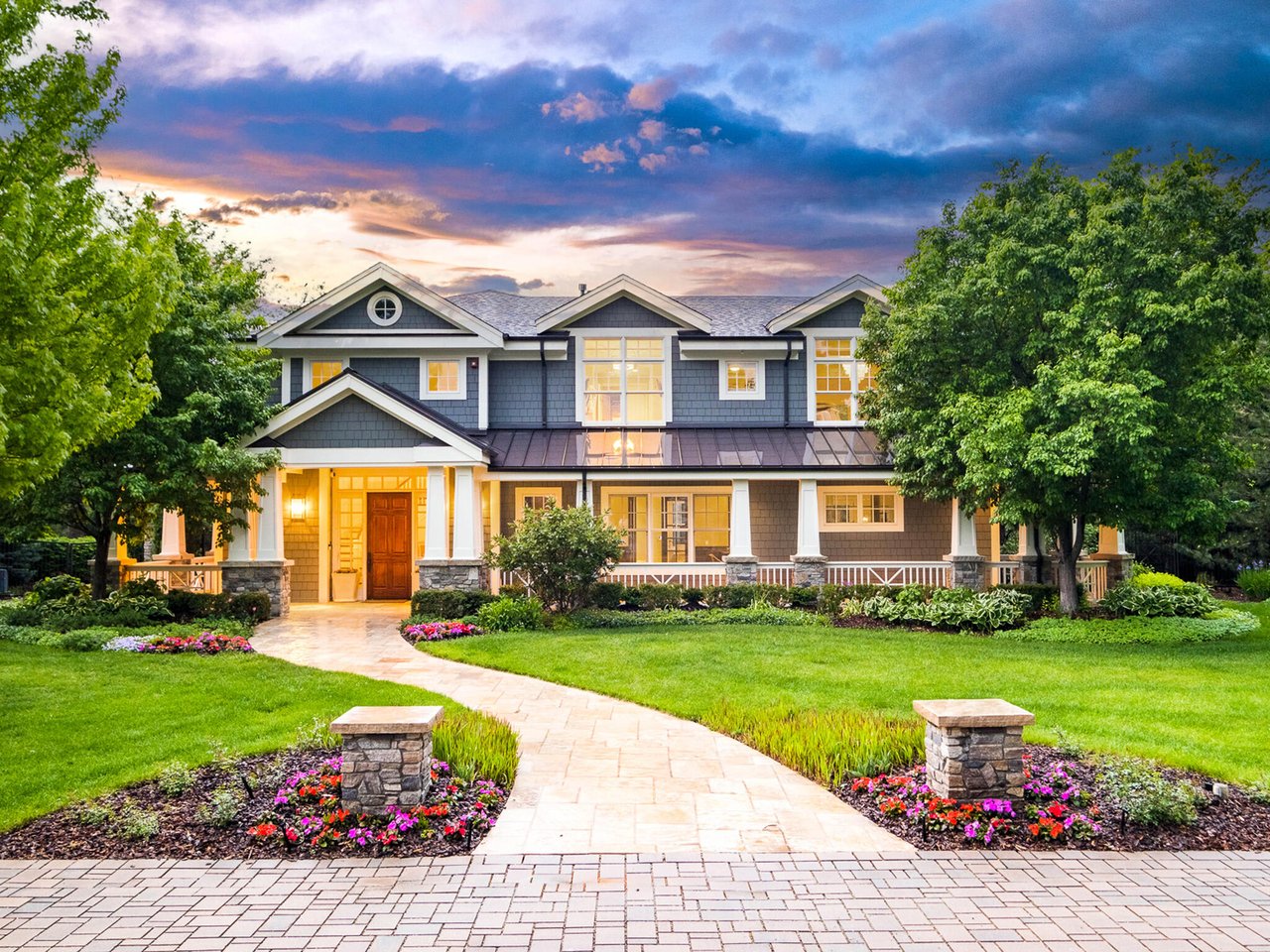
That context shapes how buyers tend to judge property here. In Cherry Hills Village, acreage is often less about the raw number and more about privacy, usability, and how the property connects to the surrounding landscape.
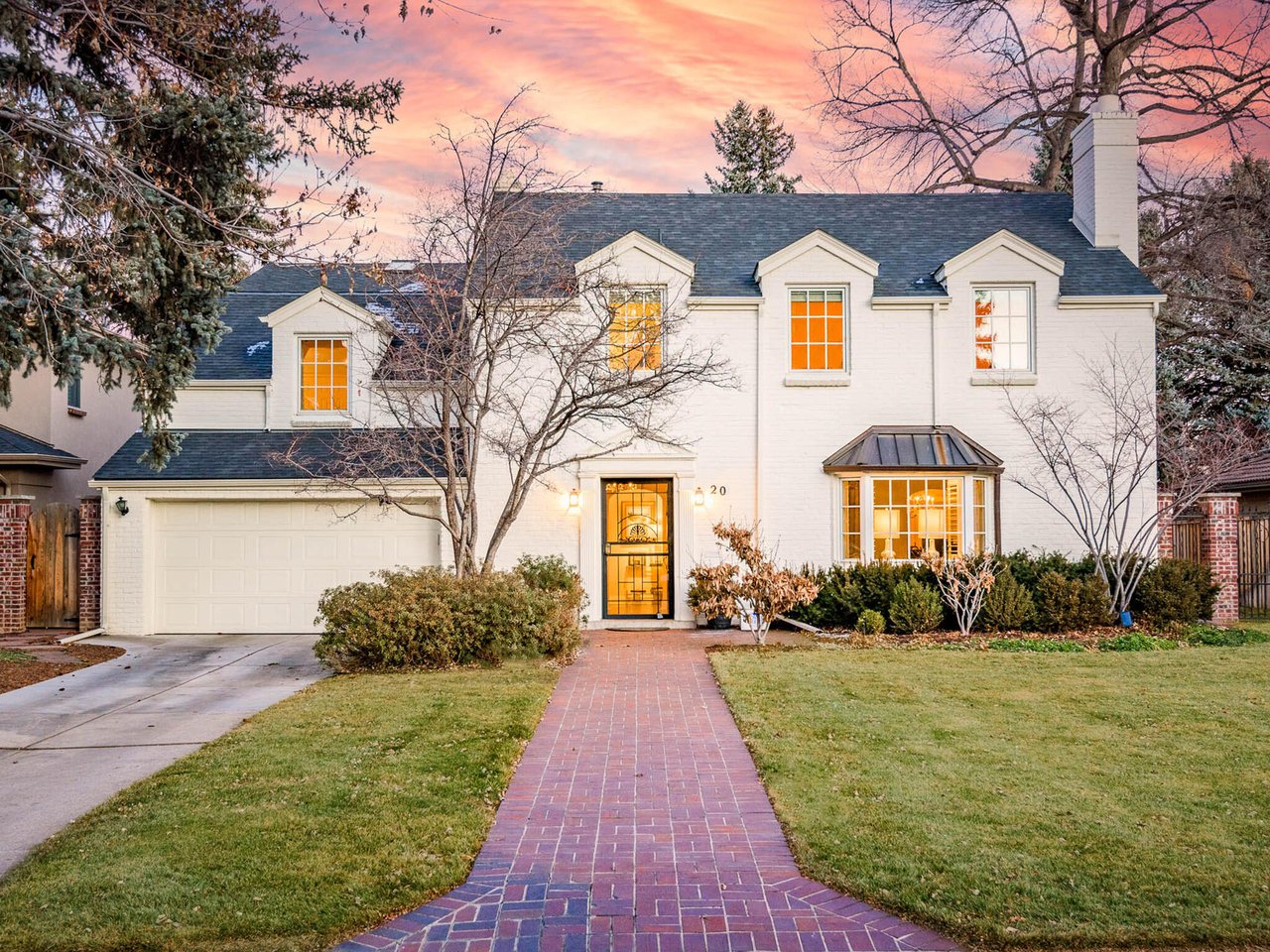
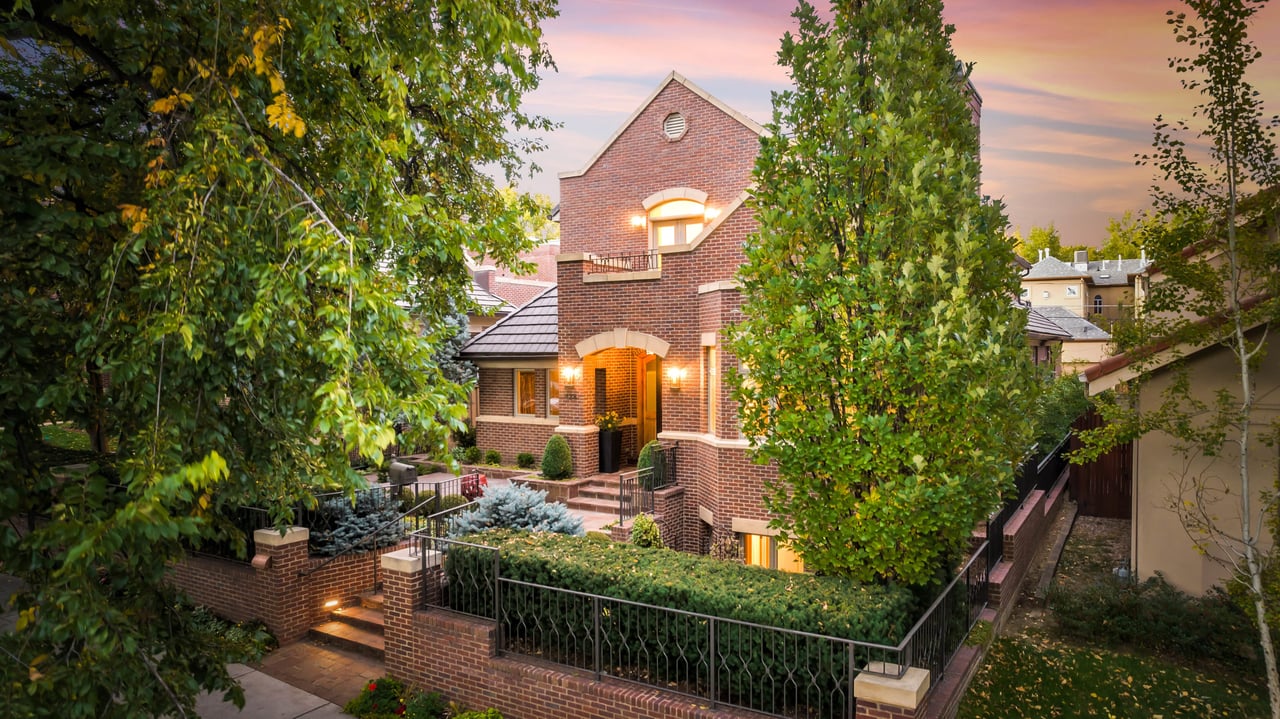
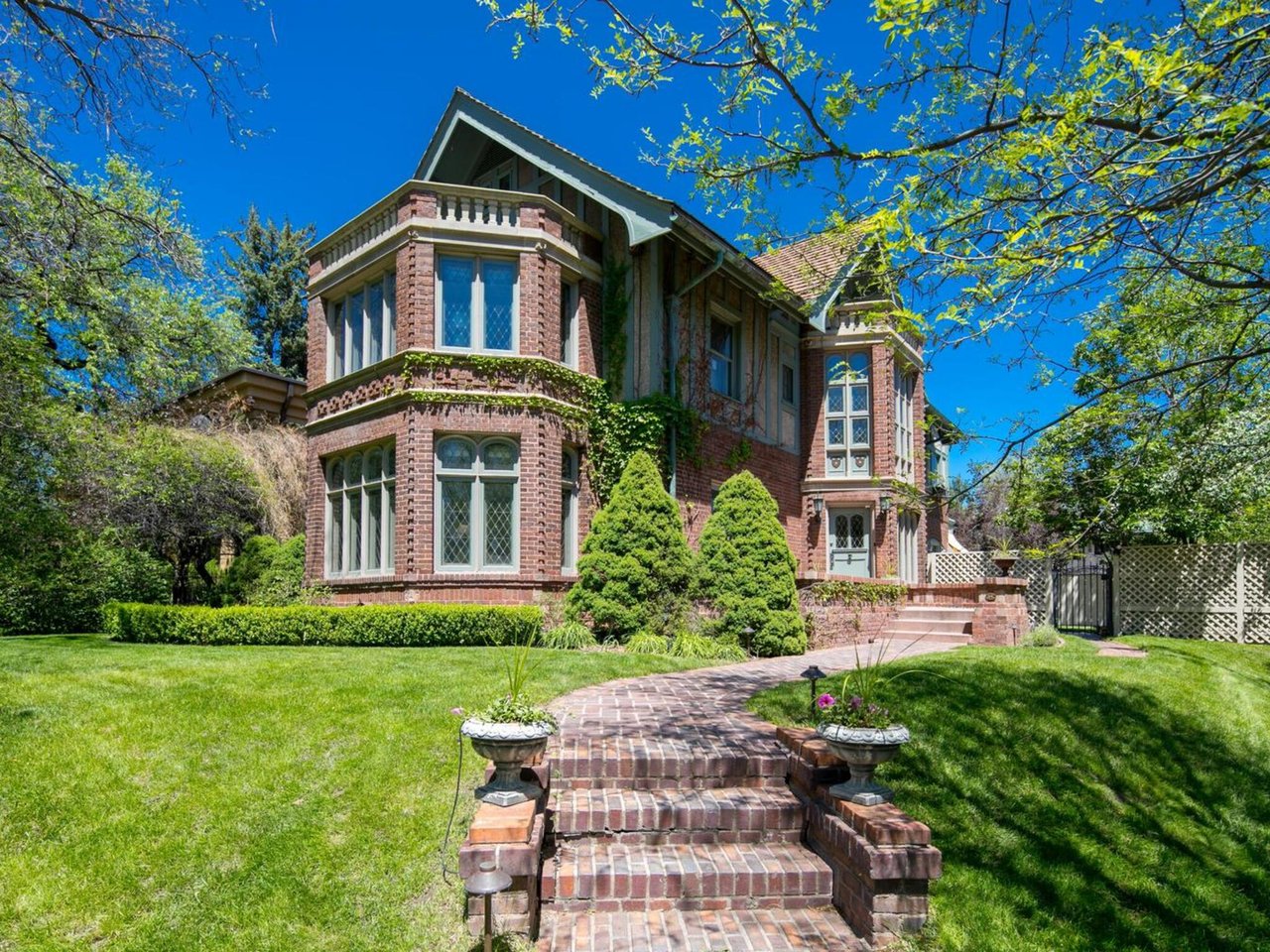
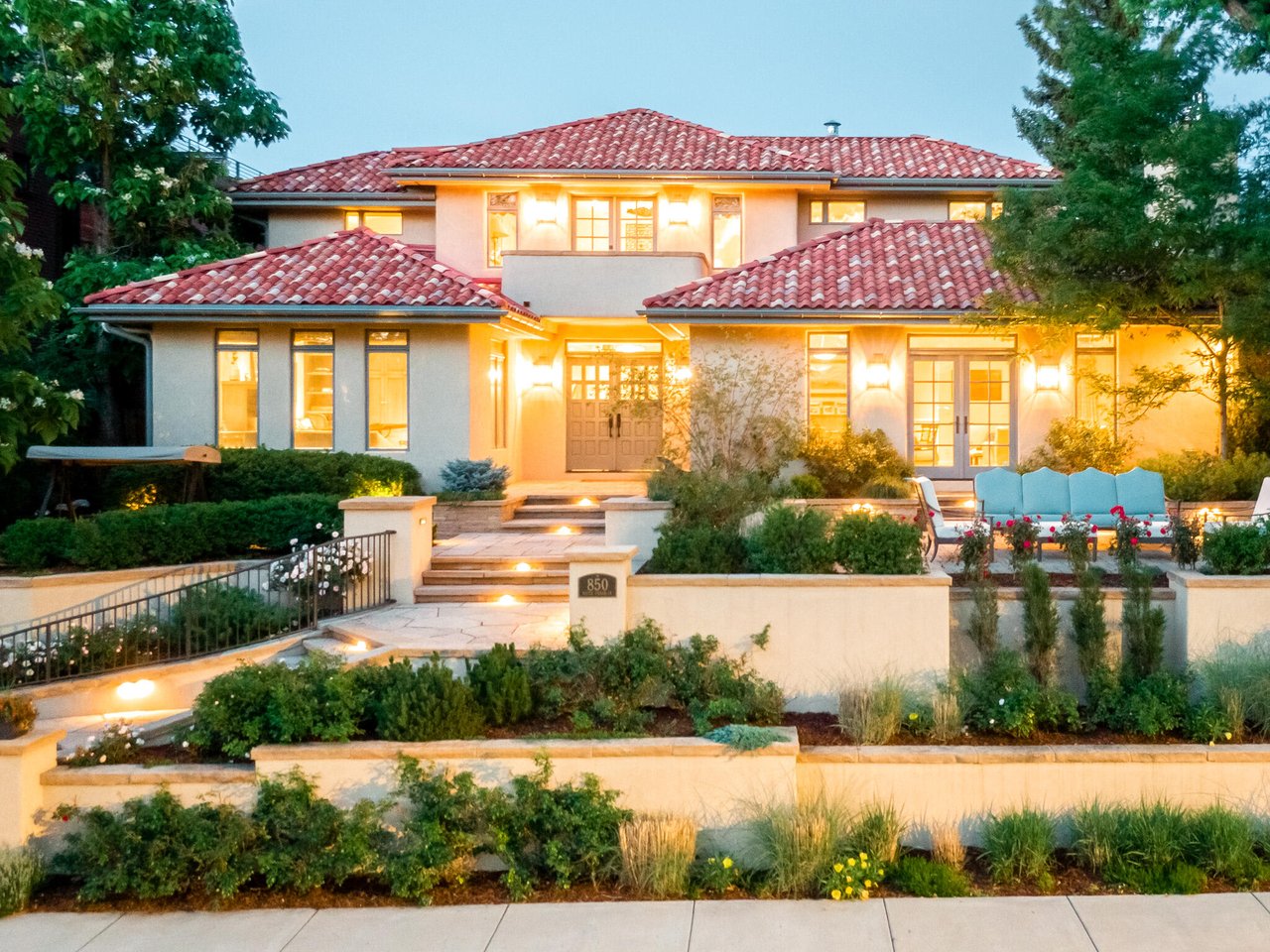
A one-acre lot can feel expansive if it is well planned, buffered by mature trees, and close to open space. A larger parcel can feel less useful if much of it is limited by layout, access, or upkeep demands.
Start with usable land
When you compare homes on larger lots, begin with the part of the site you can truly enjoy and use year-round. That includes lawn areas, outdoor living space, circulation, parking, and any room for future improvements.
Ask simple but important questions as you walk the property:
- How much of the lot is flat and functional?
- How much space is taken up by driveway, setbacks, or landscaping?
- Does the yard support entertaining, recreation, or quiet privacy?
- Do neighboring homes overlook the outdoor areas?
This is often the difference between an estate that lives beautifully and a property that simply has a large yard. In Cherry Hills Village, buyers often care just as much about the feeling of seclusion and ease as they do about total acreage.
Look closely at privacy and layout
Privacy is one of the biggest contributors to value on larger parcels. A property may have generous dimensions, but if the main outdoor spaces are exposed to nearby roofs, windows, or streets, it may not deliver the experience you expect.
As you evaluate a home, notice where the house sits on the lot and how the outdoor areas are oriented. Mature trees, thoughtful setbacks, and a well-placed residence can make a property feel much more substantial.
You will also want to consider how the site flows. A long drive, detached structures, guest parking, and service access can all improve how the land functions, especially for a buyer who wants both elegance and practicality.
Understand zoning and parcel specifics
Cherry Hills Village provides Zoning and District Maps as well as a Neighborhoods and HOAs Map, but the city notes that these are for informational purposes only and should not be relied on as the final determination of official zoning or special-district jurisdiction.
That means it is wise to treat every property as parcel-specific. The address alone does not tell you everything about what may be allowed, how the land can be used, or whether neighborhood covenants add extra limits.
For buyers, the practical takeaway is straightforward. Before you assume a lot can support a barn, fencing changes, a pool, or other site improvements, confirm the details through the city’s Community Development resources and the relevant HOA, title, or survey professionals.
Evaluate horse potential carefully
Horse use is one of the first things many buyers think about when they see larger lots in Cherry Hills Village. It is an understandable question, but it is not something you should judge by lot size alone.
Current city code covers limited horse boarding and equestrian training, and a 2022 ordinance removed a stand-alone equestrian facilities and stables land-use category. In practical terms, a larger lot may improve horse or turnout potential, but horse-related use still needs to be verified for the specific parcel.
If equestrian use matters to you, focus on functional details during your tour:
- Is the driveway suitable for trailers?
- Is there room for fencing, turnout, or storage?
- Is there an appropriate area for a barn or related structures?
- Does the site layout support easy access and daily use?
A property can feel horse-friendly without actually being a fit for your intended use. Clear verification matters.
Compare trail access, not just trail proximity
Trail access is one of Cherry Hills Village’s defining lifestyle features, but not all access points offer the same experience. The High Line Canal is a 71-mile trail system, and Segment 13 runs through Cherry Hills Village for 2.8 miles on crusher-fine gravel. The trail map describes this segment as popular with equestrians, and it ends at Three Pond Park.
That sounds appealing, but the details matter. Three Pond Park trail access includes parking, restrooms, and trail amenities, while the Dahlia Trailhead offers parking only.
This is why “near the trail” is not always enough information. You will want to know whether a home offers a walk-out advantage, easy daily access to a trailhead, or simply a scenic corridor nearby.
There is another layer to consider as well. Segment 14 continues from Three Pond Park into Denver, where horses are not allowed, and the trail map notes that work is underway to close a trail gap and create safer crossings. If trail use is central to your lifestyle, it helps to understand exactly where the route begins, where it leads, and how rules may change across jurisdictions.
Factor in nearby open space
Cherry Hills Village offers more than large lots. Its open-space network can make homes feel more expansive and pastoral than the lot lines alone would suggest.
Blackmer Common is a 14.5-acre passive preservation park off the High Line Canal Trail that is mainly used for wildlife viewing. John Meade Park includes a picnic shelter and restrooms, a play area, fishing piers, a boardwalk through wetlands, and an amphitheater. Quincy Farm is a 17.5-acre conservation property in the center of the Village, open from sunrise to sunset and accessible from the High Line Canal trail or Quincy Avenue.
For buyers, this means nearby open space can add meaningful lifestyle value. It may shape views, create a greater sense of breathing room, and expand how the surrounding area feels without changing the lot size itself.
Match amenities to your lifestyle
In Cherry Hills Village, amenity value often comes down to whether the home supports the way you want to use the land. That usually matters more than having the longest feature list.
As you compare properties, consider whether the site offers the right balance of comfort, flexibility, and maintenance. A beautiful estate should support your routines, not complicate them.
Amenities worth evaluating may include:
- Outdoor entertaining areas
- Guest parking
- Room for pets
- Mature trees and landscape screening
- Irrigation systems
- Storage for equipment or seasonal needs
- Driveway design and snow-management practicality
For some buyers, a lower-maintenance layout is the right luxury. For others, the appeal lies in a broader landscape with room to expand, garden, or create a more private retreat.
Review HOA and covenant limits
Neighborhood covenants can be just as important as city regulations when you are evaluating acreage. Fence styles, exterior materials, pools, barns, and landscape changes may all be affected by HOA rules or other neighborhood requirements.
Because Cherry Hills Village’s maps are informational only, it is worth confirming both the city framework and any private restrictions tied to the property. This is especially important if you are buying with a future vision for renovations or outdoor improvements.
A home may check every box today but still limit what you can do tomorrow. The earlier you understand those boundaries, the better your decision-making will be.
Think honestly about upkeep
Large lots bring beauty, but they also bring maintenance. Trees, irrigation, long driveways, snow removal, open lawn, and drainage can all shape the real cost and effort of ownership.
That does not make a larger parcel less desirable. It simply means the best property for you is the one that matches your preferred level of hands-on care.
If you love a natural, expansive setting, ask yourself whether you also want the maintenance that comes with it. If not, a property with a more edited landscape and easier circulation may offer a better fit while still delivering the privacy and presence you want.
Keep commute reality in view
Cherry Hills Village offers a rare balance of space and access, but commute experience still depends on the exact address and your typical travel time. Census QuickFacts reports a mean travel time to work of 20.6 minutes, which can be a useful benchmark.
Still, averages do not tell you how a specific route will feel during the hours you actually travel. If convenience matters, it is worth testing the drive based on your real schedule rather than relying on a general number.
For many buyers, that balance is part of the appeal here: a more open residential setting without giving up metro access. The right property is the one that makes that balance work for your daily life.
A smart way to compare properties
If you are weighing acreage in Cherry Hills Village, it helps to compare each home through the same lens. Instead of focusing first on the lot number, look at how the property performs across the categories that shape everyday enjoyment.
A simple comparison checklist can help:
- Usable outdoor space
- Privacy from neighbors and streets
- Flexibility for future improvements
- Trail and open-space access
- Amenity fit for your lifestyle
- Maintenance demands
- Parcel-specific restrictions or allowances
- Commute practicality
This kind of evaluation often reveals more than square footage or acreage alone. It helps you choose a property that feels right not just on closing day, but in daily life for years to come.
If you are considering a purchase in Cherry Hills Village, local guidance can make these details easier to interpret. The right perspective helps you look past the headline features and focus on what truly adds value for the way you want to live. When you are ready, the Trish & Maggie Team can help you assess acreage, amenities, and fit with the thoughtful, design-aware approach this market deserves.
FAQs
How should you evaluate acreage in Cherry Hills Village?
- Focus on usable land, privacy, layout, access, upkeep, and parcel-specific restrictions, not just the total acreage number.
What should buyers know about horse properties in Cherry Hills Village?
- A larger lot may improve horse potential, but horse-related use is parcel-specific and should be verified through the city and any applicable neighborhood rules.
How does trail access vary in Cherry Hills Village?
- Trail access is not uniform. For example, Three Pond Park offers parking, restrooms, and trail amenities, while the Dahlia Trailhead offers parking only.
Why do nearby parks and open space matter in Cherry Hills Village?
- Open space such as Blackmer Common, John Meade Park, and Quincy Farm can make an area feel more spacious and pastoral, adding lifestyle value beyond the lot itself.
What restrictions should buyers check before purchasing acreage in Cherry Hills Village?
- Buyers should confirm parcel-specific zoning details, neighborhood covenants, HOA limits, and any survey or title issues before assuming the property can support certain improvements or uses.
How should buyers think about commute time in Cherry Hills Village?
- Use the reported average commute of 20.6 minutes as a general benchmark, but test the route from the specific address during your actual travel hours for a more realistic picture.