The History of Polo Club: From Denver's Polo Grounds to a Private Luxury Enclave
Most Denver neighborhoods are named for a developer, a landmark, or a bit of geography. Polo Club is one of the rare few named for exactly what it once was. Before the gates, the winding private roads, and the estate homes on half-acre-plus lots, this pocket of central Denver was a working polo ground, and that origin story still shapes the neighborhood's character today.
Here is how Polo Club became one of the most private and prestigious addresses in the city.
It Started With a Polo Team
The story traces back to 1909, when the Denver Country Club fielded a polo team known as the Freebooters. Polo was a passion of Denver's early-20th-century elite, and interest in the sport quickly outgrew the country club's grounds.
In 1921, three prominent Denverites, Lafayette Hughes, Lawrence C. Phipps, and Albert Humphreys, incorporated the Polo Club and acquired a 160-acre tract of land specifically to play the game. For a stretch of the 1920s and into the 1930s, the land lived up to its name: this was open ground where polo ponies galloped and Denver's leading families gathered to watch the matches.
From Playing Field to Neighborhood
Almost as soon as the club was established, the transformation began. Landowners started building homes on the property, and some of the city's most prominent families relocated here from the Denver Country Club area to be near the grounds.
When the polo club itself closed in 1936, a large portion of the land was sold, accelerating the shift from sporting ground to residential enclave. But the families who remained wanted to protect the character of the place they had come to love.
In 1946, Lafayette Hughes established the Polo Club Homeowners Association to safeguard the neighborhood's privacy and preserve its residential feel. That association still governs the neighborhood today, one reason Polo Club has retained its exclusivity for the better part of a century. A portion of the original land was later platted as Polo Club Place, and the founding families adopted a formal plan to guide the district's development as an upscale residential community.
The Chapter That Almost Changed Everything
Polo Club's most dramatic moment came in the 1960s. In 1964, a religious organization led by pastor Charles Blair purchased a large parcel of the old polo grounds with plans for a sweeping development, reportedly including high-rise apartment buildings, a school, an enormous sanctuary, and parking for well over a thousand cars.
For a neighborhood built on privacy and low density, the proposal was existential. Residents mobilized and fought the rezoning, and after a prolonged battle, they prevailed, the project was never built. Blair was later convicted of defrauding investors and forced to sell the property. Had residents not organized, the Polo Club of today might look nothing like the quiet enclave it remains.
It is a telling episode: time and again, the neighborhood's residents have chosen to protect its scale and seclusion rather than let it be developed into something denser and more ordinary.
Polo Club Today
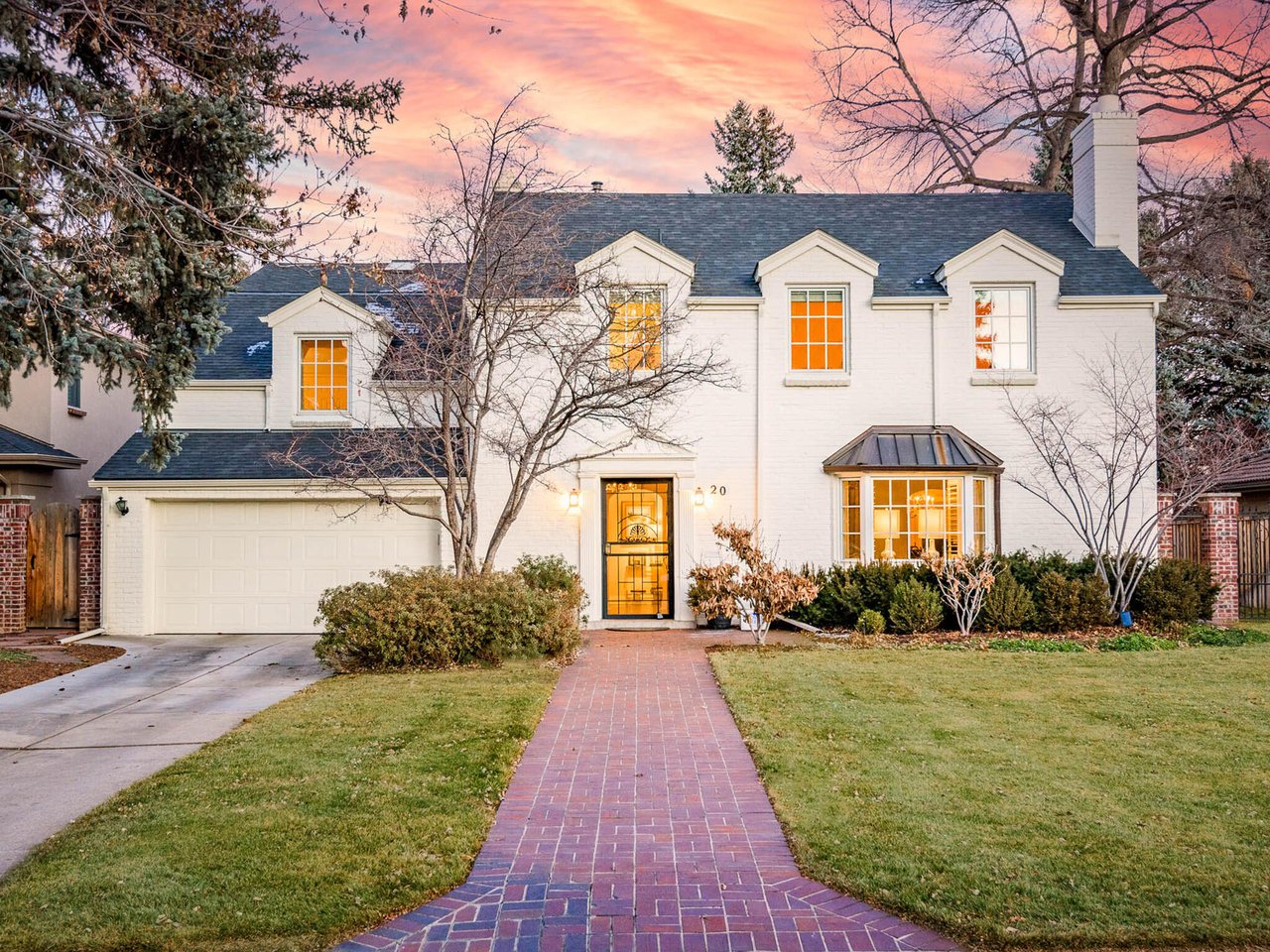
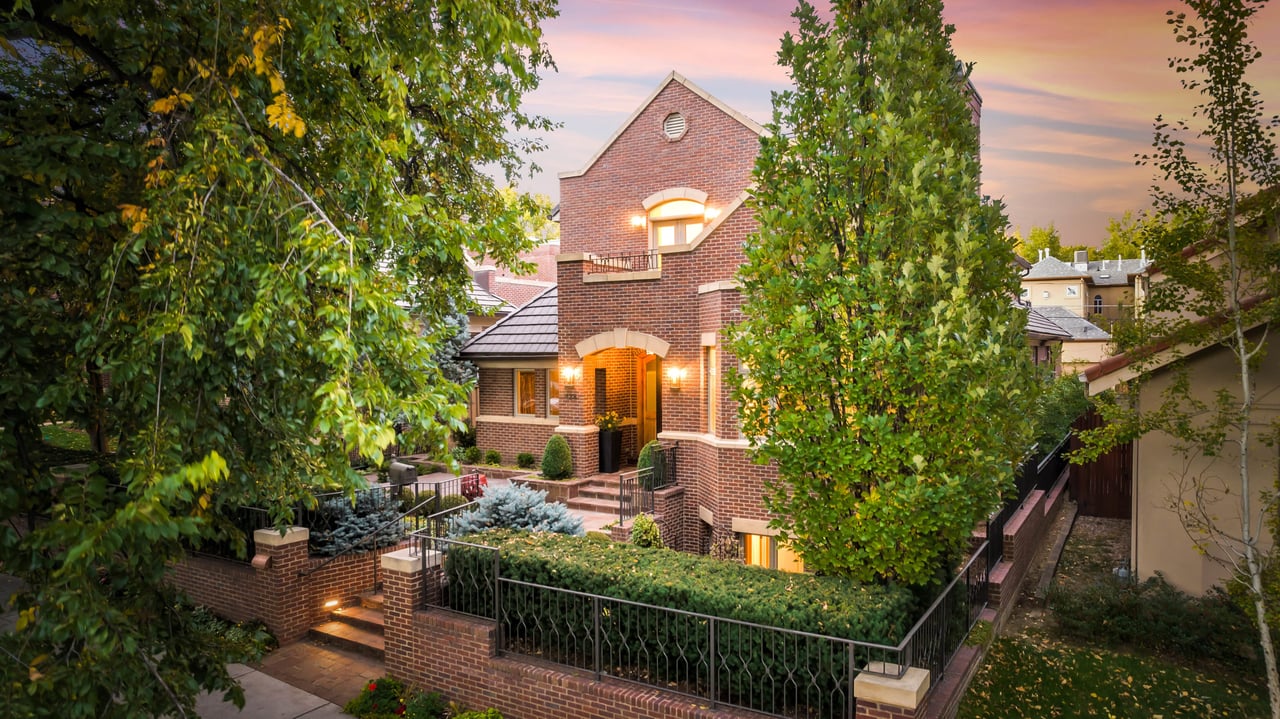
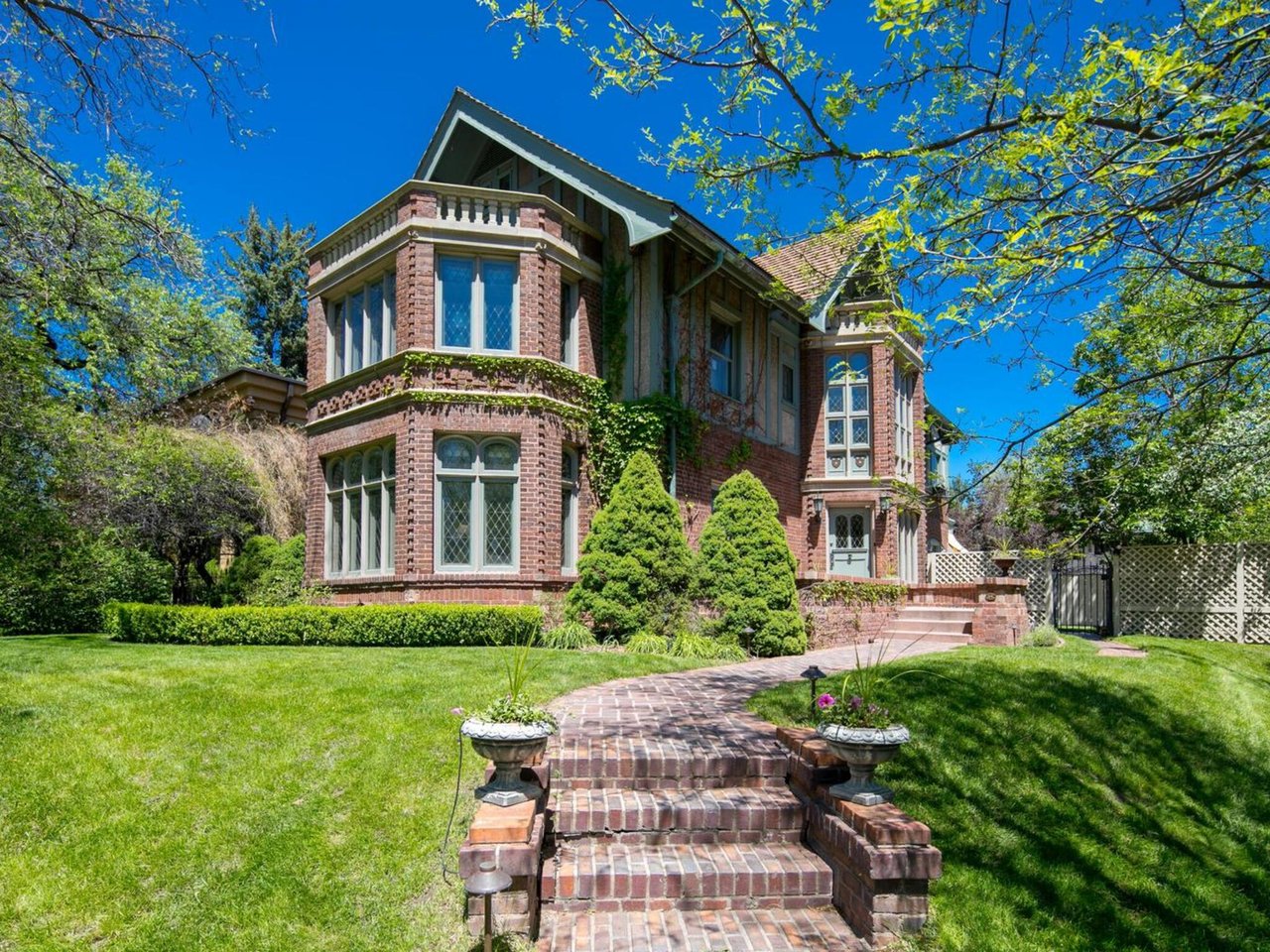
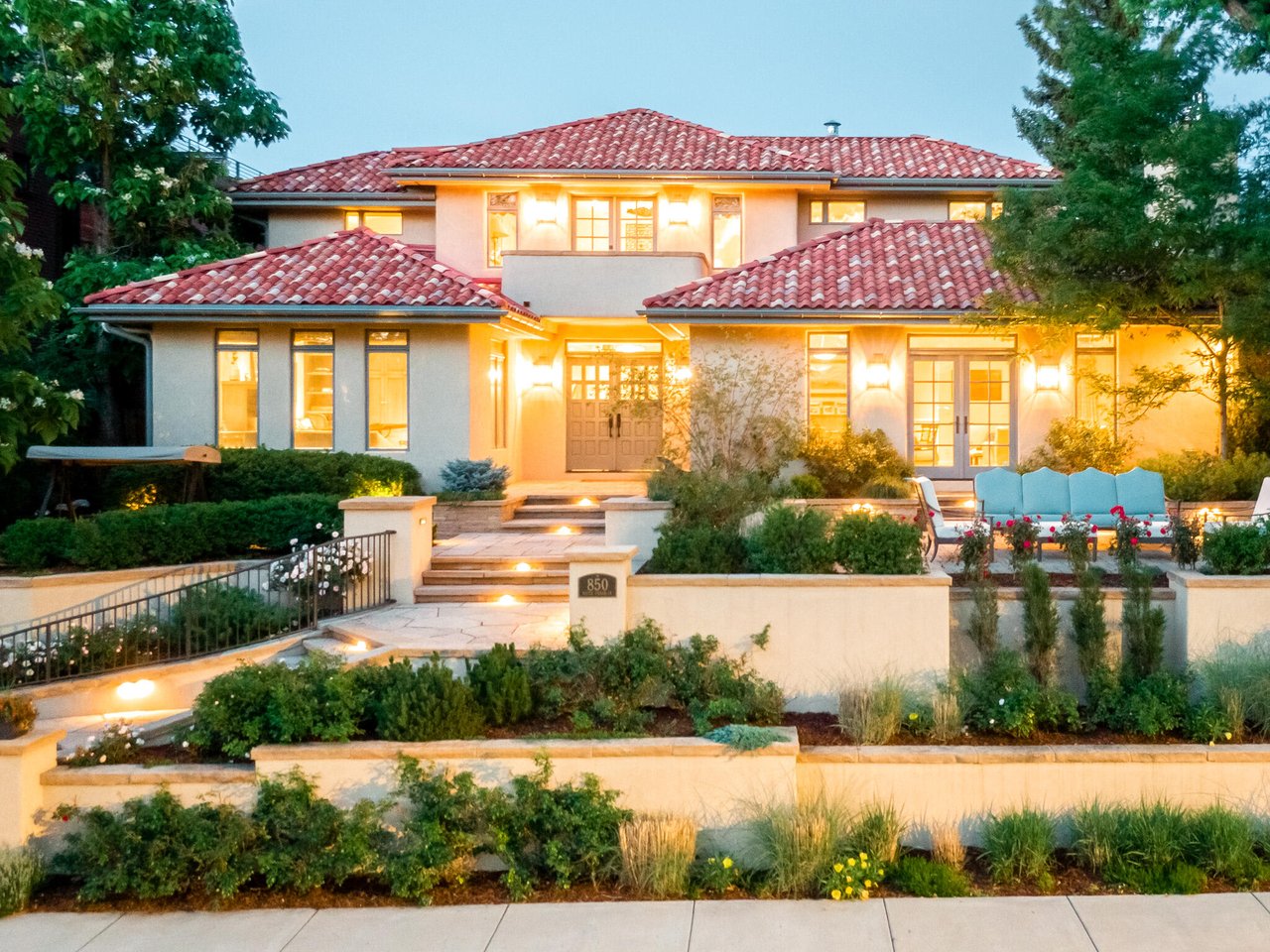
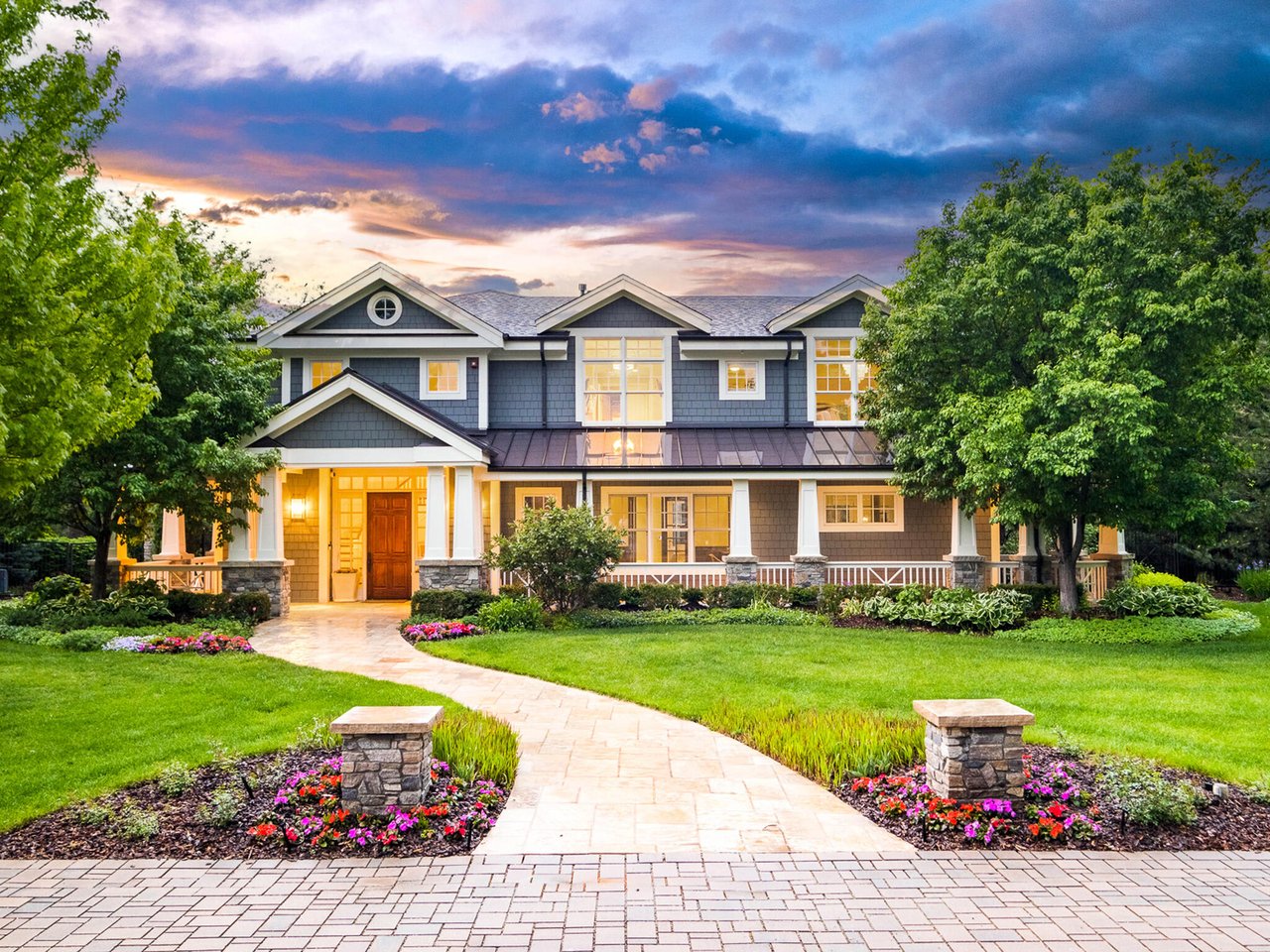
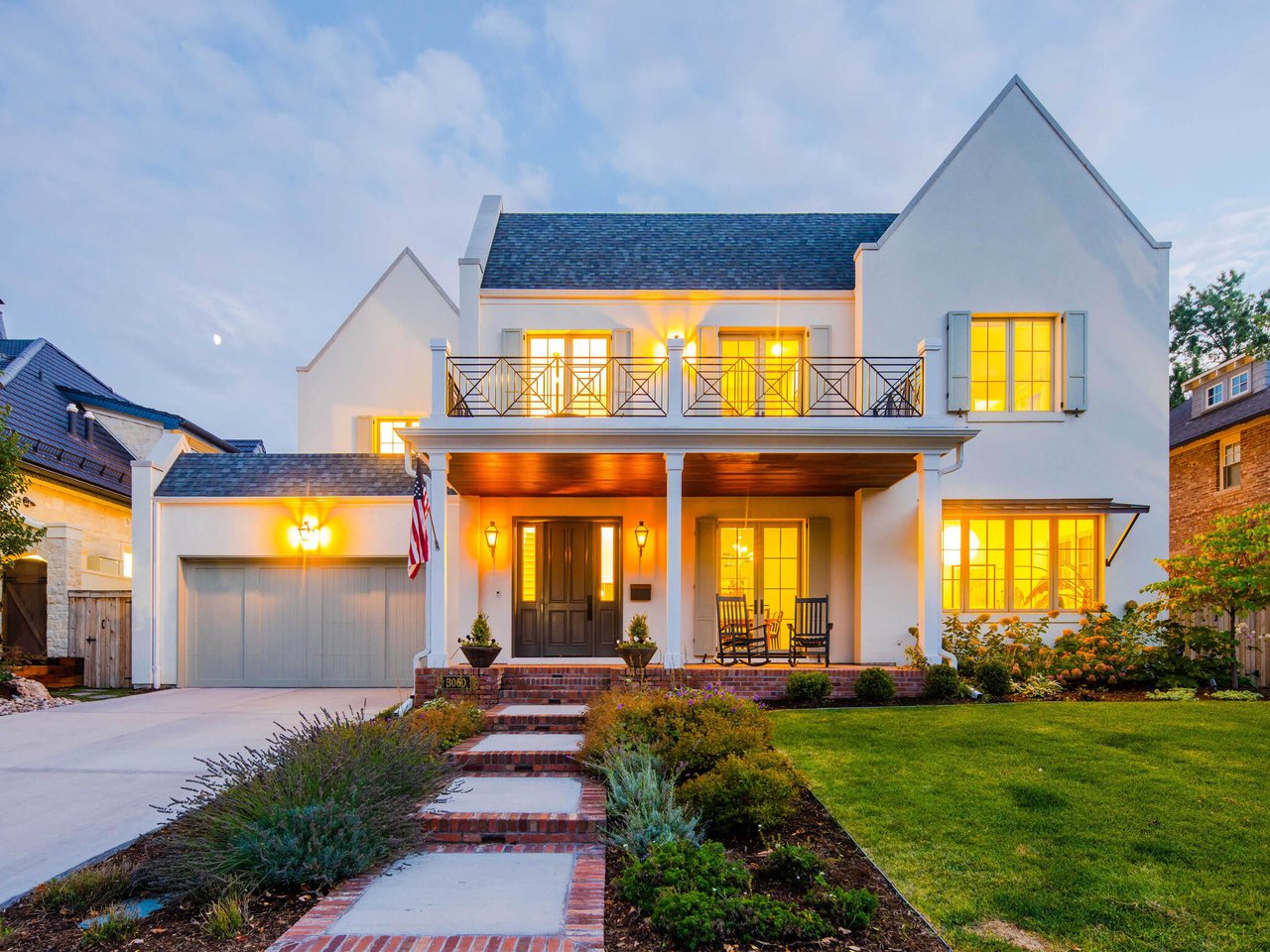
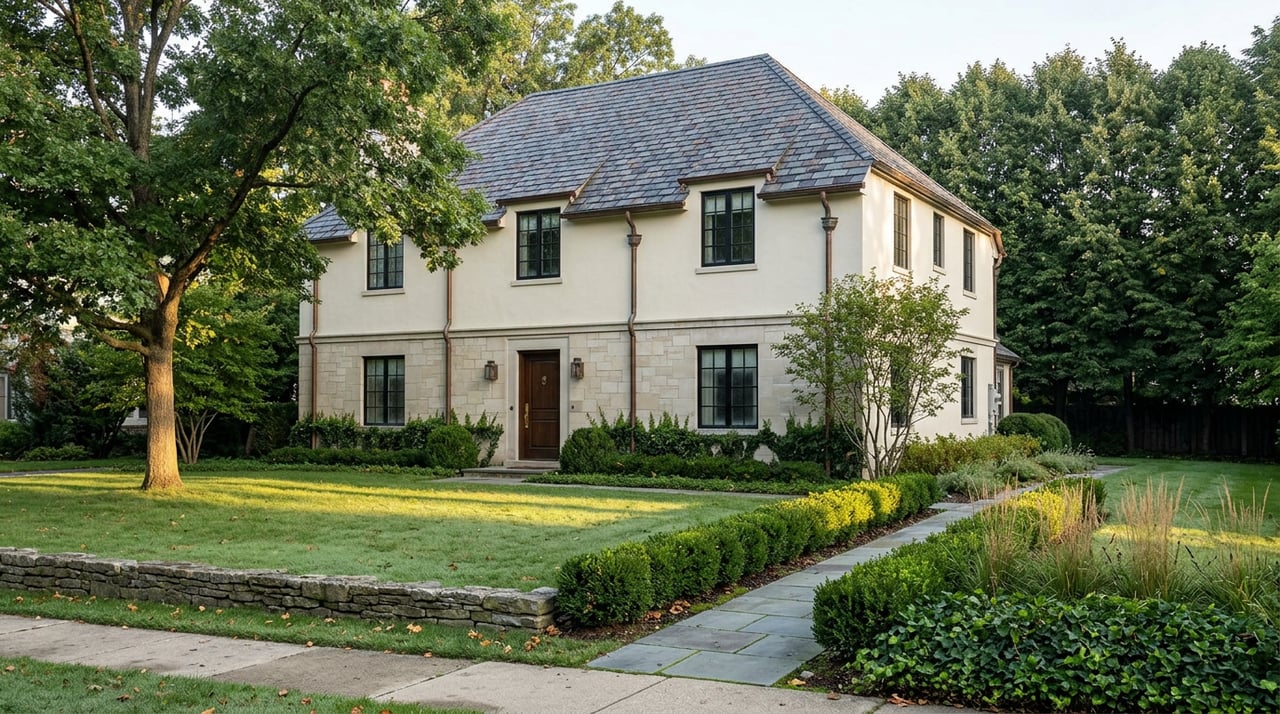
Building sites within the neighborhood remained available into the 1990s, and over the decades the land established by the mid-century homeowners association was developed into elegant custom homes and manor-style residences. What has not changed is the sense of privacy that defined the place from the beginning.
Today, Polo Club sits behind private entrances just minutes from Cherry Creek and downtown, yet it feels worlds away. Homes rest on generous lots along gracefully winding streets, and the neighborhood remains one of the most secluded luxury addresses in Denver, a direct inheritance from the founders who wanted to preserve their private park nearly a century ago.
If that legacy of privacy and estate-scale living appeals to you, take a look at current Polo Club homes for sale in Denver.
Frequently Asked Questions
Why is it called Polo Club? The neighborhood is named for the actual polo club that operated on the land in the 1920s and 1930s. Three prominent Denverites incorporated the club in 1921 and purchased a 160-acre tract specifically to play polo, and homes were later built on the grounds.
When did Polo Club become a residential neighborhood? The transition began in the 1920s as landowners built homes near the grounds. It accelerated after the polo club closed in 1936, and the neighborhood's residential character was formalized when residents created a homeowners association in 1946.
What makes Polo Club so private? Polo Club has been shaped by nearly a century of residents deliberately protecting its scale and seclusion, from founding a homeowners association in 1946 to successfully opposing a major development in the 1960s. Private entrances, winding private roads, and generous lots reinforce that privacy today.
Explore the Neighborhood
Polo Club's history is one of families choosing privacy and permanence over development, and that legacy is exactly what makes it so desirable now. If you would like to see what life inside this historic enclave looks like today, browse the Polo Club neighborhood and connect with Trish & Maggie to learn more.