If you have ever walked Park Hill and wondered why the neighborhood feels so cohesive even when no two blocks look exactly the same, the answer is in the architecture. Park Hill developed over several decades, so you are not seeing a one-style neighborhood frozen in time. You are seeing a layered collection of well-proportioned homes that share rhythm, scale, and materials. If you are buying, selling, or simply studying the area, understanding those styles can help you read the neighborhood with a more informed eye. Let’s dive in.
Why Park Hill Feels Distinct
Park Hill was platted in 1887, but much of its residential identity took shape later. Denver Public Library and Discover Denver describe the neighborhood’s major buildout as happening in the 1920s and 1930s, with additional construction in the 1940s and 1950s. That long timeline helps explain why Park Hill feels layered rather than uniform.
Even with that variety, the neighborhood has a strong visual consistency. Park Hill sources describe a wide mix of mostly brick homes, including Bungalow, Four Square, Tudor Revival, Colonial Revival, and Dutch Colonial Revival. In practice, that means you often see different architectural expressions working together because they share similar scale, setbacks, and a durable material palette.
Park Hill’s Shared Design Language
One of Park Hill’s strengths is that the homes often feel related even when their details differ. Many houses share a strong relationship to the street, clear front entries, and a balanced sense of proportion. Brick is also a major unifying element, giving the neighborhood a grounded and lasting visual character.
Historic surveys support that sense of integrity. In Discover Denver’s survey of Park Hill’s 1920s small homes, Craftsman was the most frequently documented style, with Tudor Revival and Colonial Revival also well represented. Only 47 surveyed properties showed major alterations or new construction, which suggests that many homes still retain the features that define the neighborhood’s original character.
Bungalows and Craftsman Homes
Why bungalows matter here
If one style feels especially tied to Park Hill, it is the bungalow. Historic Park Hill describes the bungalow as central to the neighborhood’s identity and notes that the form was locally adapted from the California bungalow into brick exteriors. That local variation gives Park Hill bungalows a more substantial, Denver-specific presence.
The neighborhood also developed a distinctive porch form. Historic Park Hill points to the full-width Park Hill Porch, often framed by brick piers that continue through the roofline. That feature helps create the welcoming, street-facing character many buyers notice right away.
What to look for
The National Park Service describes Craftsman houses as low-pitched homes with broad eaves, exposed rafters or brackets, and open porches supported by substantial posts or piers. In Park Hill, those traits often appear in a brick, human-scaled form that feels approachable and carefully made. The result is architecture with warmth, texture, and a strong sense of craftsmanship.
For buyers, the appeal is easy to understand. These homes often offer curb appeal without feeling formal, and their compact massing can support thoughtful interior updates while preserving original personality. For sellers, those details can also be a major asset when a home has been maintained with respect for its original design.
Denver Squares and American Foursquares
The local classic
The American Foursquare became so popular in Denver that it earned a local nickname: the Denver Square. Historic Denver describes typical features as a centered front dormer, hipped roof with deep flared eaves, full-width projecting front porch, square plan, belt course, and stone sills. Park Hill materials also list Four Square among the neighborhood’s represented styles.
In Park Hill, Denver Squares often bring a sense of order and quiet confidence to the streetscape. Their forms are easy to read, and their proportions tend to feel balanced from every angle. They can anchor a block without overpowering it.
Why buyers respond to them
A Denver Square often feels substantial without excess. The straightforward plan, strong porch presence, and clear geometry create a home that reads as both formal and livable. If you appreciate historic character with a practical layout, this style often strikes that balance well.
For sellers, these homes benefit from architectural clarity. Features like the front dormer, broad porch, and strong roofline can be especially effective in photography and in-person showings because the home’s character is immediately legible from the street.
Tudor Revival Homes
Texture and presence
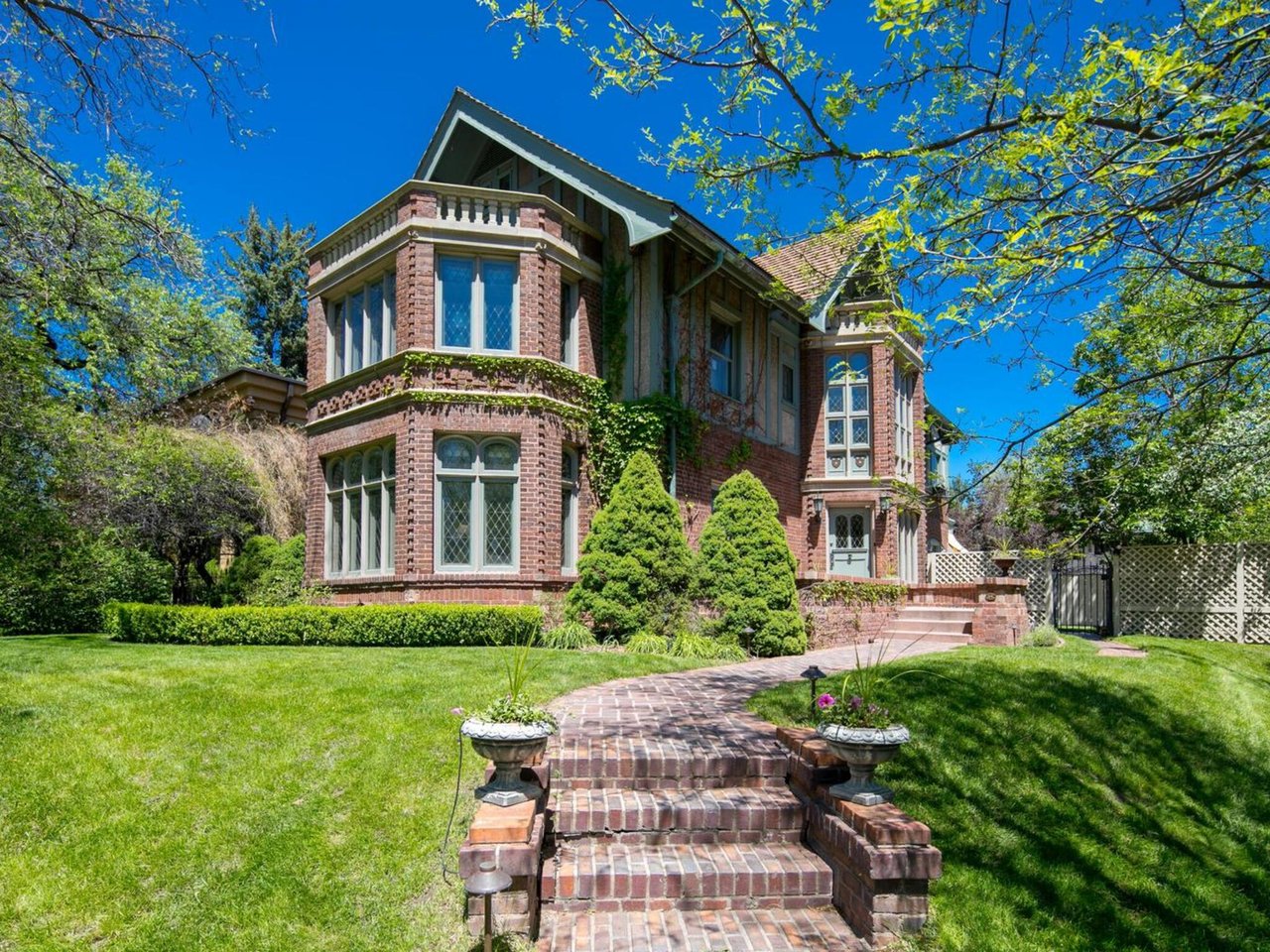
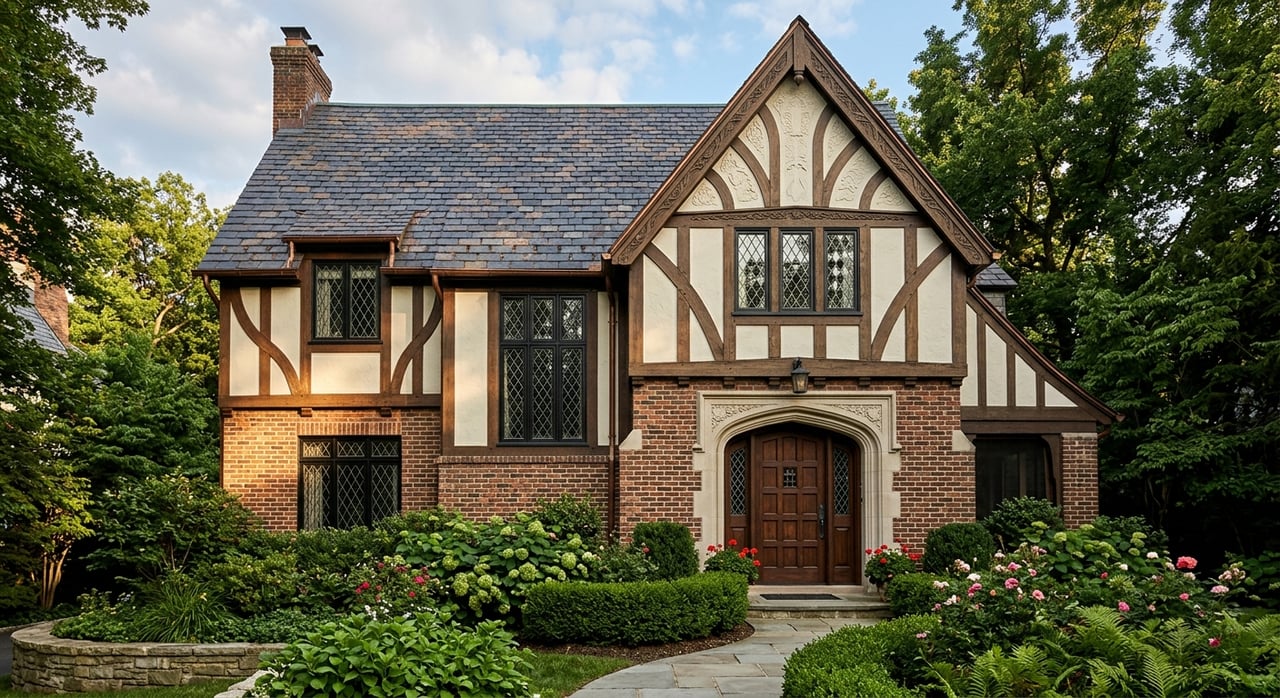
Tudor Revival adds some of Park Hill’s most memorable visual texture. The National Park Service describes Tudor Revival houses as asymmetrical, often with gable or cross-gable roofs, steep pitches, mixed materials such as stucco, brick, stone, or half-timbering, tall narrow casement windows, decorative masonry, recessed entries, and clipped gables. In the Park Hill survey area, Discover Denver documented 31 Tudor Revival examples among 1920s small homes.
That mix of forms and materials gives Tudor homes a distinctive street presence. They often feel a bit more sculptural than other houses nearby, with rooflines, entries, and masonry doing much of the visual work.
What makes Tudors appealing
For many buyers, Tudor homes offer charm without feeling fragile. The steep roofs, asymmetry, and masonry can create a sheltering, intimate feel, while the exterior details bring depth and individuality. If you are drawn to homes with a slightly storybook quality but still want substance and permanence, Tudor Revival often delivers both.
For sellers, original masonry, window proportions, and entry details can be especially important to preserve and highlight. Those are often the very elements that make Tudor homes feel authentic and memorable.
Colonial Revival Homes
Park Hill’s Georgian influence
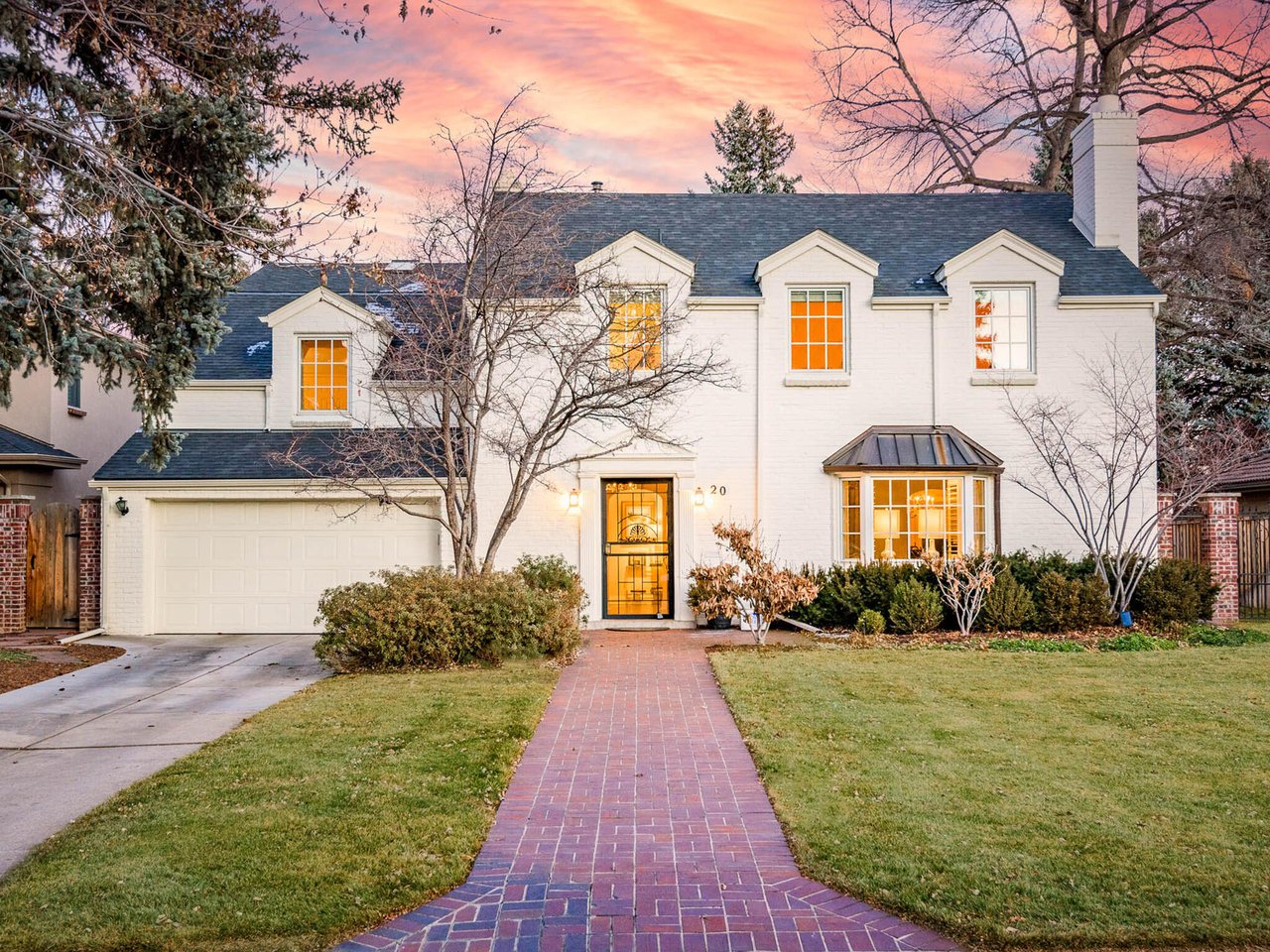
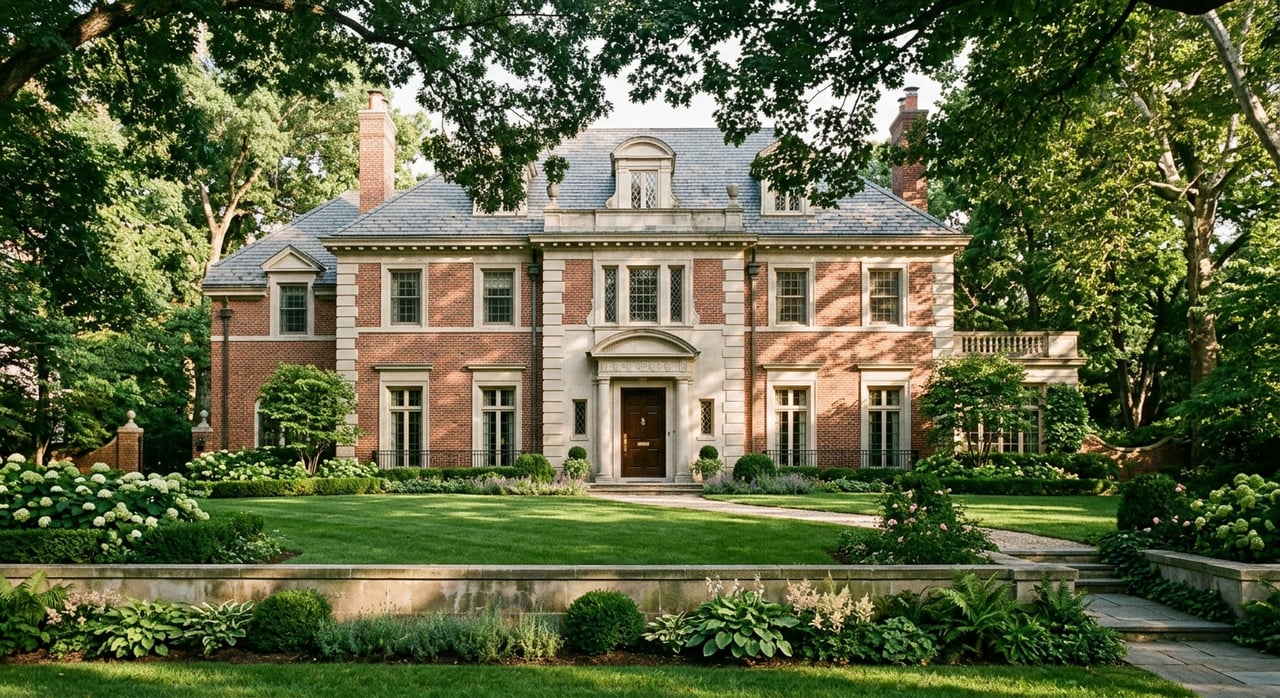
Park Hill is not a pure Georgian neighborhood, but it does include homes that reflect Georgian influence through Colonial Revival architecture. The National Park Service explains that Colonial Revival drew inspiration from late 18th- and early 19th-century Federal and Georgian buildings. Typical features include symmetry, pedimented or gabled windows, pronounced front porches and entrances, pilasters and columns, fanlights or sidelights, and Palladian windows.
That distinction matters because it helps you describe these homes accurately. In Park Hill, you are more often seeing Georgian-influenced Colonial Revival than strict Georgian replicas. The look is traditional, formal, and composed, but it belongs to Park Hill’s early 20th-century development story.
Why the style endures
Colonial Revival homes often appeal to buyers who value order and timelessness. Balanced window placement, a formal entry, and classical detailing can make the façade feel permanent and easy to understand. These homes tend to offer tradition on the outside while still allowing room for modern living inside.
For sellers, this style benefits from careful presentation because symmetry and detail do a lot of the work. When entries, shutters, windows, and masonry feel well considered, the home’s quiet elegance becomes more apparent.
Variety With Integrity
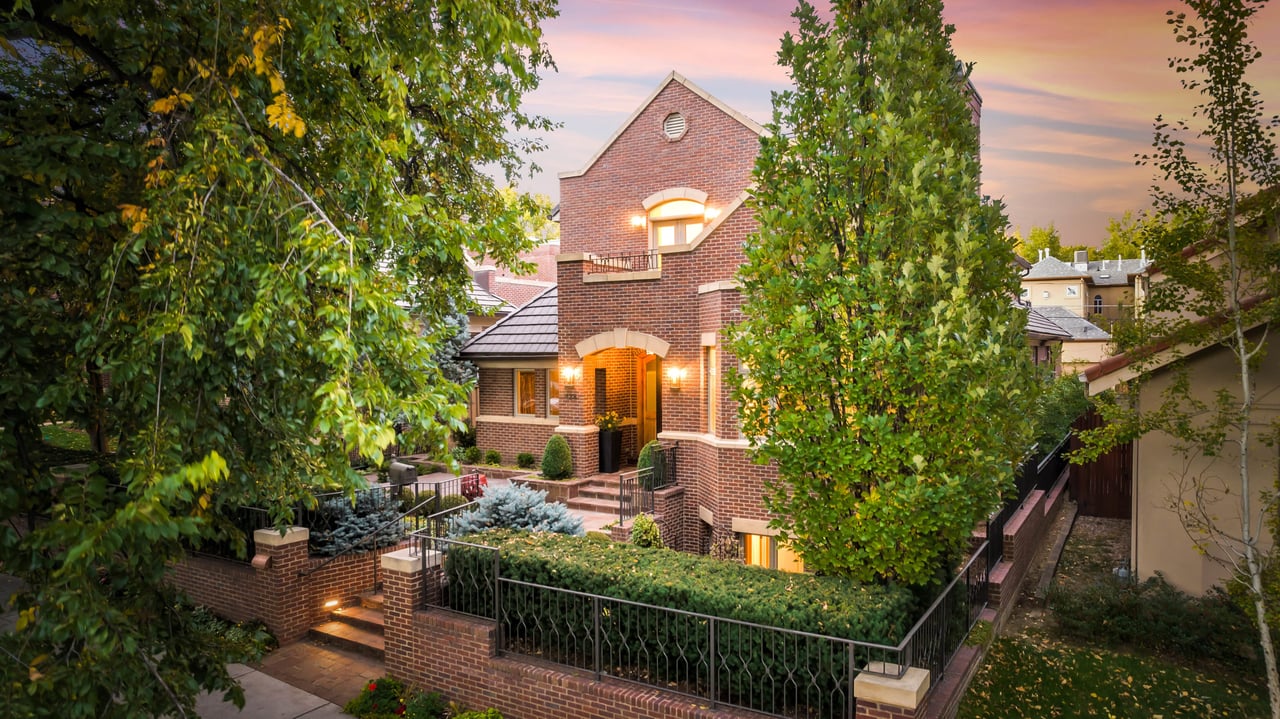
One of the most interesting things about Park Hill is that its identity comes from both variety and consistency. A block may include a bungalow, a Tudor, and a Denver Square, yet still feel visually connected. That is because the homes often share common scale, setbacks, brick construction, and a strong relationship to the street.
This is also why Park Hill tends to feel polished rather than patchwork. The neighborhood offers architectural range, but the homes still speak a related design language. For buyers, that can make the area feel visually rich and stable at the same time.
Updating a Park Hill Home Thoughtfully
Historic neighborhoods are not meant to stand still, and Denver’s preservation framework acknowledges that. The city states that Landmark Preservation reviews exterior changes requiring a building or zoning permit for individual landmarks or properties in historic districts. Denver’s design guidelines also say new work should be compatible with the historic context while still reading as current construction.
In practical terms, the most successful updates usually respect the original architecture’s basic grammar. That includes roof form, window proportions, porch scale, and materials similar to those seen historically. The guidelines also note that roof decks should be minimized or carefully screened when they are not part of a district’s historic pattern.
If you own a Park Hill home or are considering one, this matters. A thoughtful renovation usually does not try to erase the house’s original identity. Instead, it works with the home’s existing strengths, whether that is a brick bungalow porch, a Tudor roofline, a Denver Square plan, or a Colonial Revival entry.
What This Means for Buyers and Sellers
For buyers, architectural literacy helps you look past surface finishes and understand what gives a home lasting appeal. In Park Hill, that might mean recognizing the intimacy of a Tudor entry, the practicality of a Denver Square, the craftsmanship of a bungalow, or the symmetry of Colonial Revival. Those qualities often shape how a home feels long after paint colors and staging are gone.
For sellers, the lesson is just as valuable. When a home’s architectural style is understood and presented clearly, buyers can connect more quickly to what makes it special. In a neighborhood like Park Hill, design details are not just decoration. They are part of the property’s identity and part of the value story.
Park Hill’s architecture is one reason the neighborhood continues to hold such lasting appeal. Its homes offer variety, character, and a sense of permanence that still works for modern living. If you are considering a move in Park Hill or preparing to sell a home with architectural distinction, the right strategy starts with understanding what makes the property special. Trish & Maggie Team brings a design-aware, highly tailored approach to helping you evaluate, position, and navigate Denver homes with confidence.
FAQs
What architectural styles define Park Hill in Denver?
- Park Hill is known for a mix of Bungalow and Craftsman homes, Denver Squares or American Foursquares, Tudor Revival, Colonial Revival, Dutch Colonial Revival, and other early- to mid-20th-century styles.
Why does Park Hill feel cohesive despite having different home styles?
- Park Hill feels cohesive because many homes share common elements like brick construction, similar scale, setbacks, porch presence, and a consistent rhythm along the street.
What makes a Park Hill bungalow distinctive?
- Park Hill bungalows often feature brick exteriors and the neighborhood’s recognizable full-width Park Hill Porch with brick piers, giving the style a strong local identity.
How can you identify a Denver Square in Park Hill?
- A Denver Square typically has a square plan, a hipped roof, a centered front dormer, deep eaves, and a full-width front porch.
What are common Tudor Revival features in Park Hill homes?
- Tudor Revival homes in Park Hill often show steep gable roofs, asymmetrical forms, mixed exterior materials, decorative masonry, tall narrow windows, and recessed entries.
Are Park Hill homes easy to update without losing character?
- Park Hill homes can be updated successfully when changes respect original features like rooflines, window proportions, porch scale, brickwork, and overall architectural form.