Wondering why one Platt Park home feels like a rare find while another, just blocks away, looks better on paper? In this neighborhood, value is rarely about square footage alone. If you are comparing a classic bungalow to a newer build, you need to look at character, lot utility, walkability, renovation quality, and how each home fits the way buyers live today. Let’s dive in.
Why Platt Park Value Is Different
Platt Park has a value story that starts with location and neighborhood fabric. South Pearl Street is one of the area’s defining amenities, with locally owned shops, restaurants, boutiques, and seasonal events that give the corridor daily energy and long-term appeal.
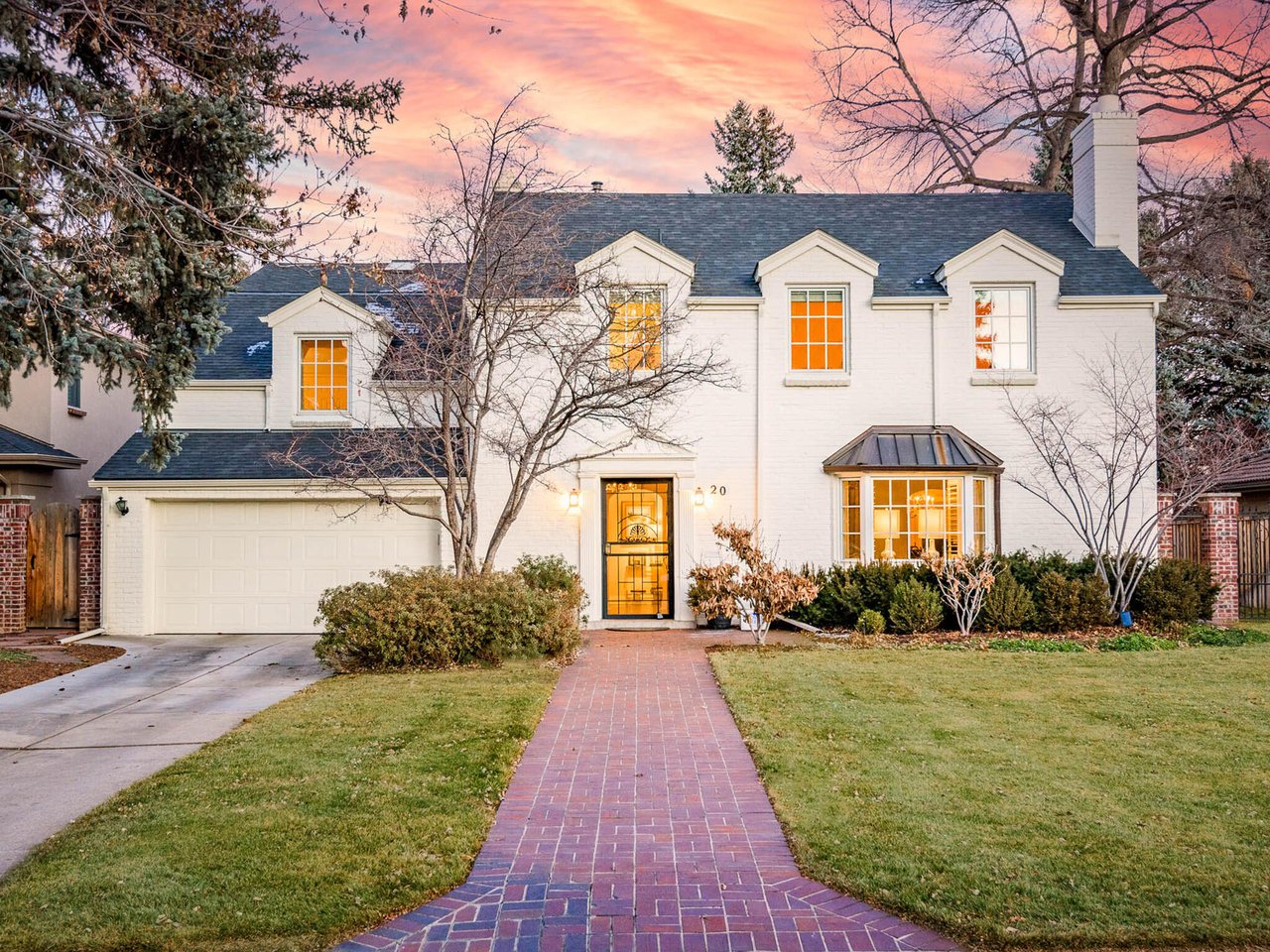
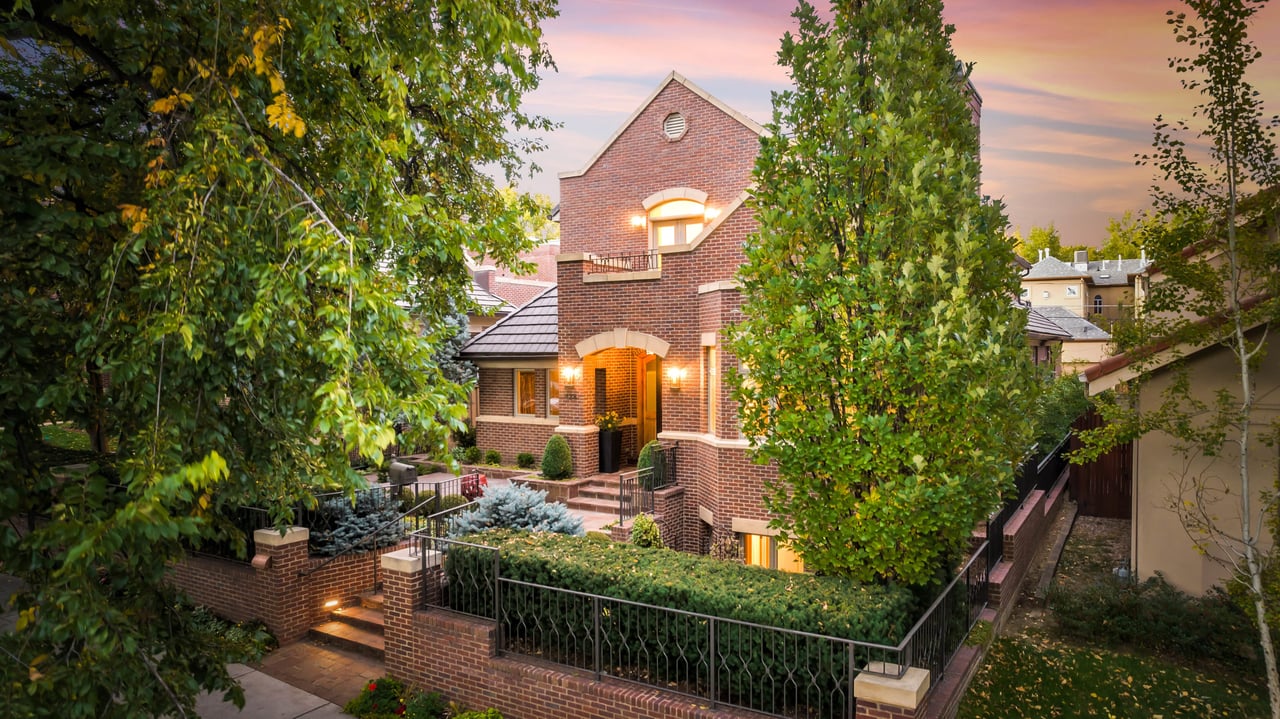
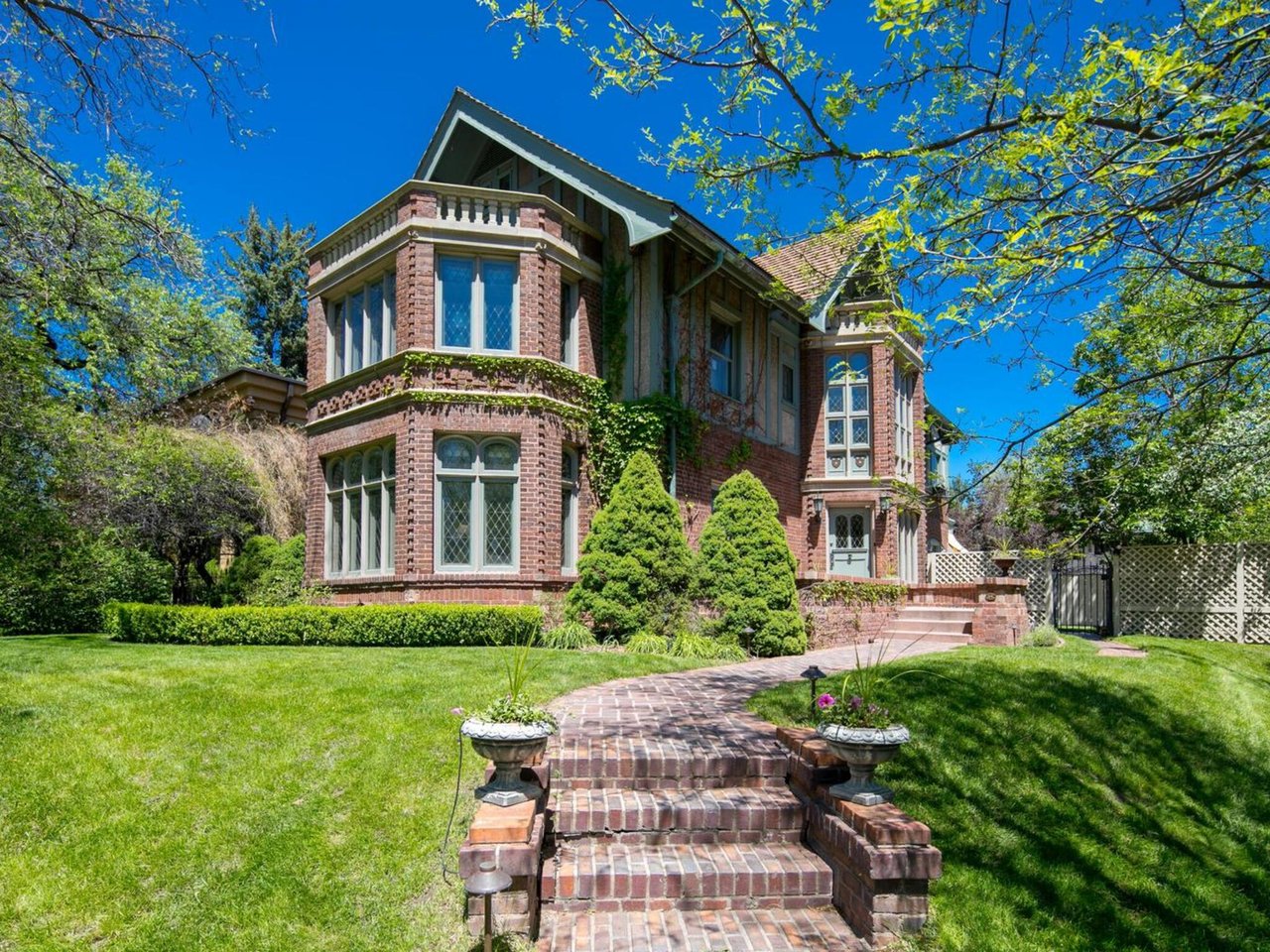
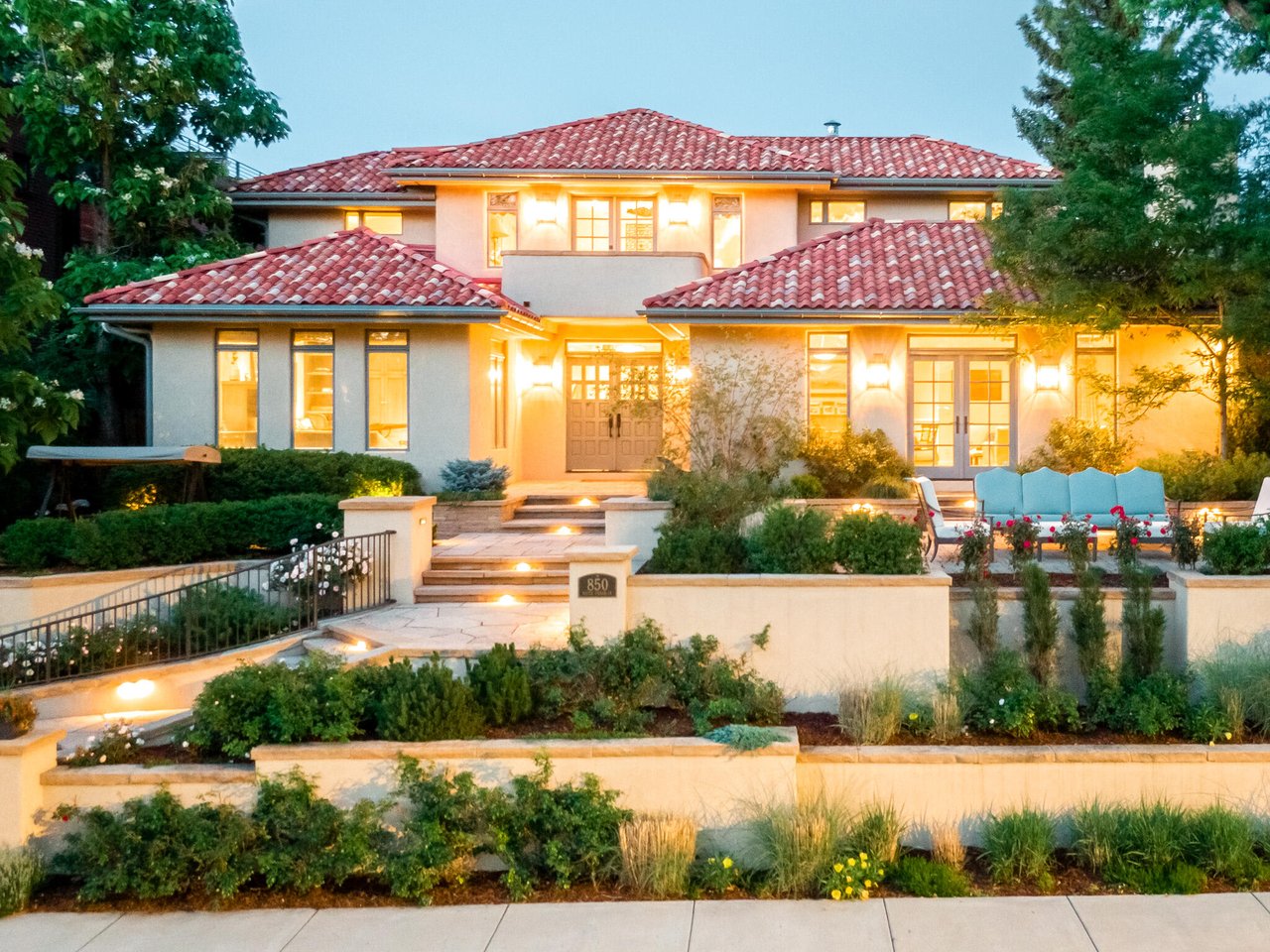
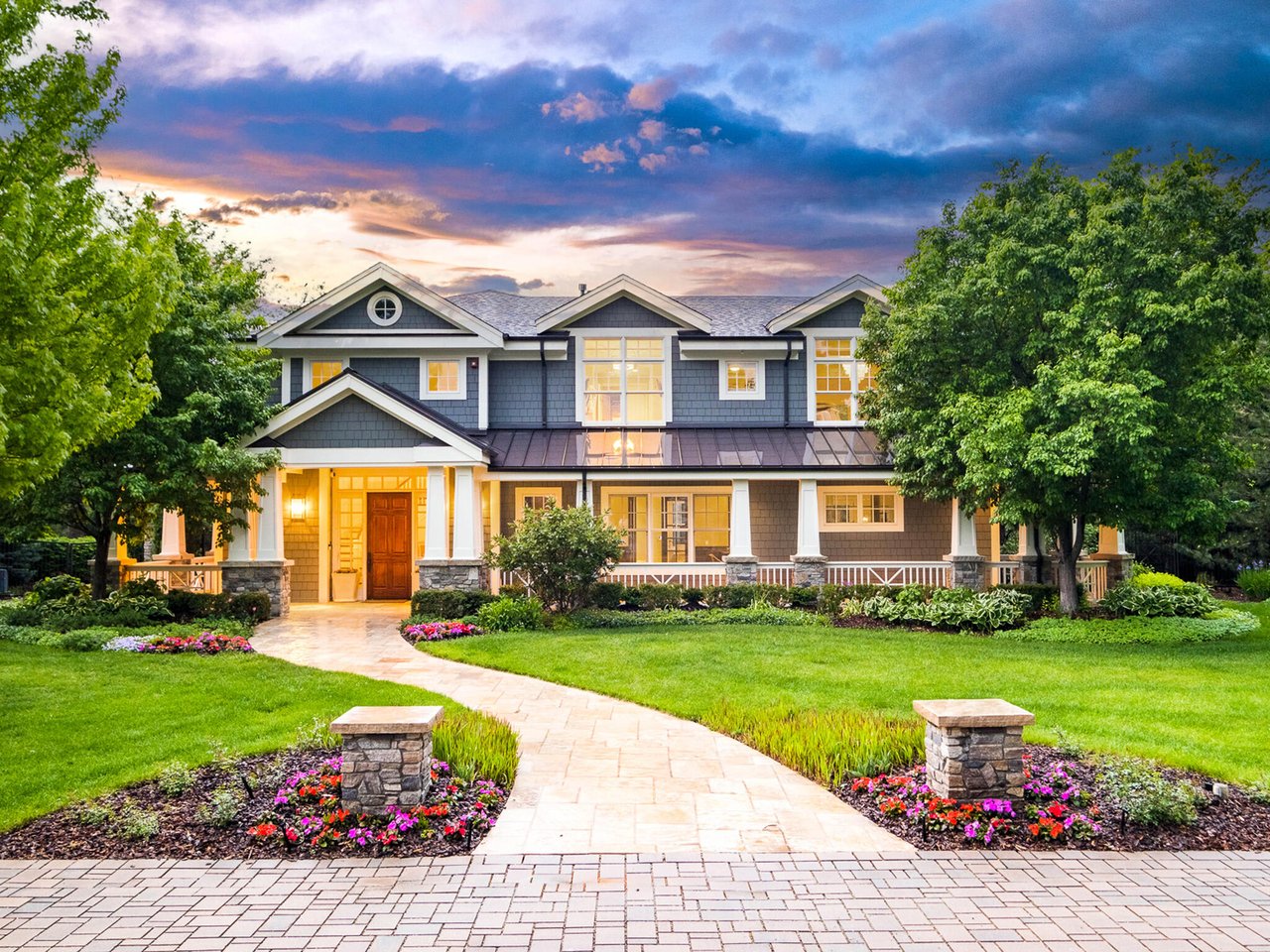
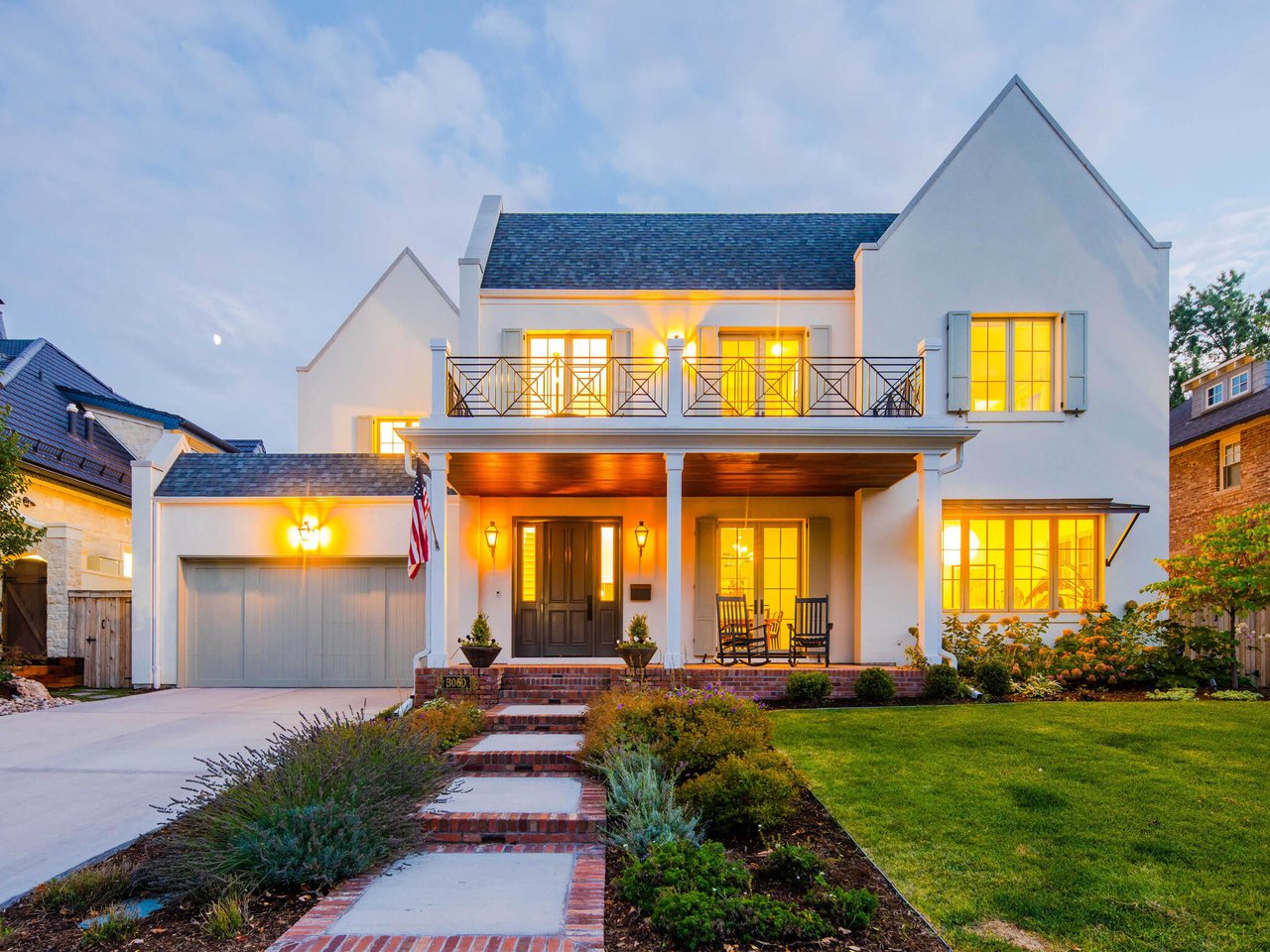
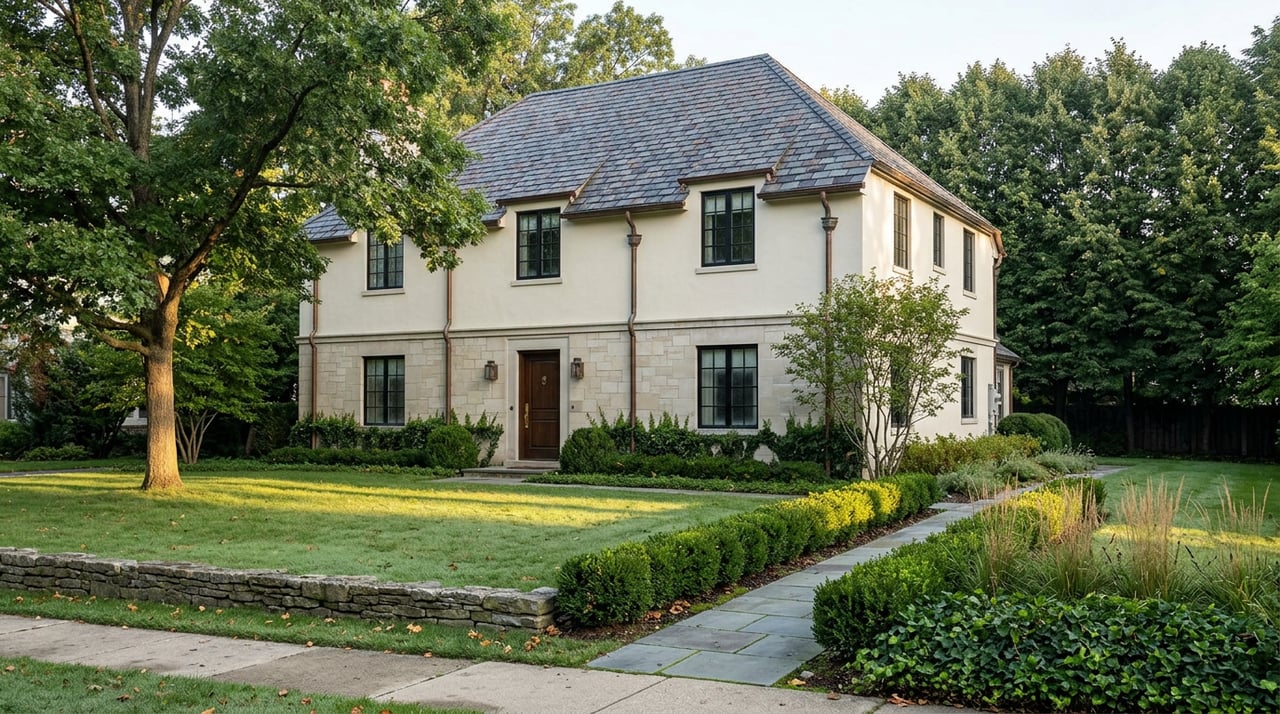
That setting matters because buyers are not choosing from one uniform housing type. In Platt Park, you may be comparing a preserved early-20th-century bungalow, a Tudor with more dramatic exterior character, a duplex, a condo, or newer infill construction in the same search.
That variety creates a more layered pricing conversation. A home’s value often comes from a specific mix of land, architecture, condition, and access to neighborhood amenities rather than from size alone.
What the Current Market Says
As of April 30, 2026, Zillow estimated the average Platt Park home value at $839,444, which was down 1.6% year over year. Over roughly the same recent period, Redfin reported a median sale price of $879,673, an average of 12 days on market, and a market it described as very competitive.
Those figures are helpful, but they are not the same metric. Zillow’s home value index and Redfin’s median sale price measure different things, so they work best as complementary snapshots instead of a direct apples-to-apples comparison.
The broader takeaway is clear. Platt Park remains competitive enough that buyers notice the details, and sellers can benefit when a home’s strengths are presented with precision.
Why Bungalows Hold Attention
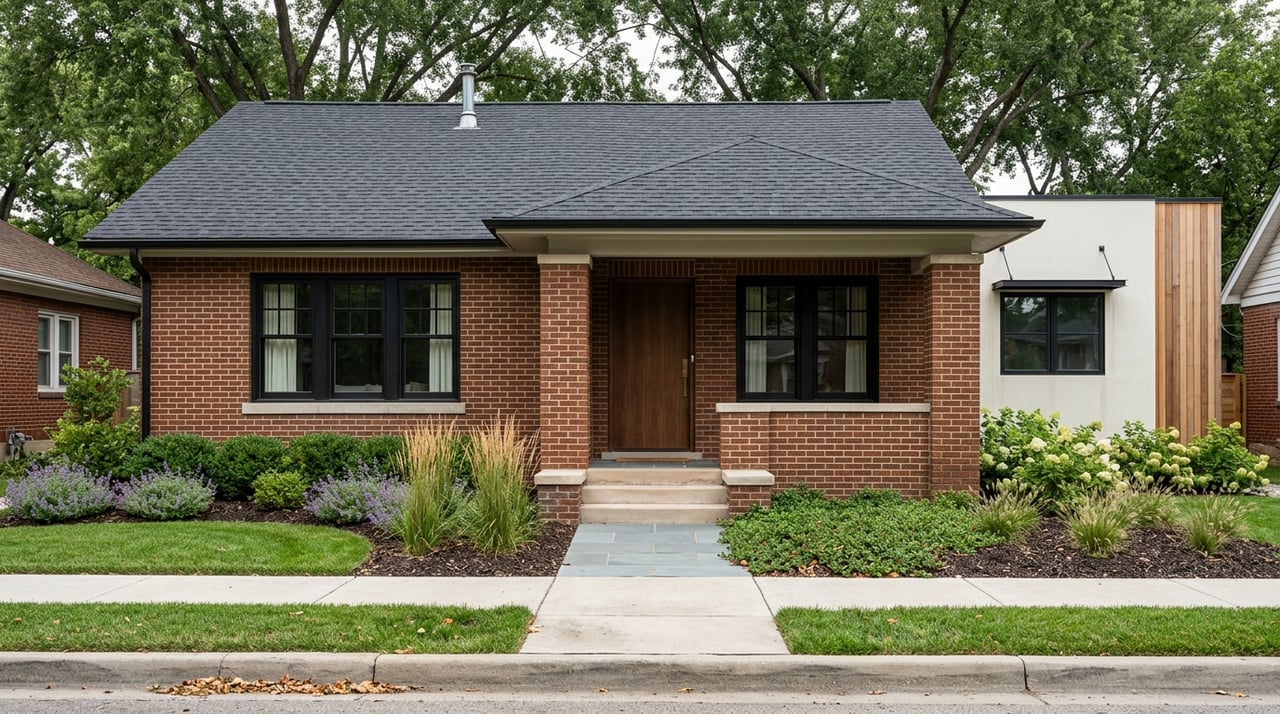
Colorado’s historic architecture guide describes the bungalow as a one- to one-and-one-half-story home with a gently pitched roof, overhanging eaves, broad porch, and simple horizontal lines. In Colorado, bungalows were especially popular from about 1900 to 1930.
In Platt Park, that architectural language still carries real weight. A bungalow often appeals because it offers porch presence, period detail, and a sense of scale that feels tied to the neighborhood’s older streetscape.
For many buyers, that charm is part of the product. Even when a bungalow is smaller than a newer home, preserved original character can make it feel more distinctive and more emotionally compelling.
What Buyers Often Value in a Bungalow
- Broad front porches and a stronger connection to the street
- Original detailing and historic character
- A lower, more classic silhouette
- A sense of fit with Platt Park’s established blocks
Why New Builds Command Interest
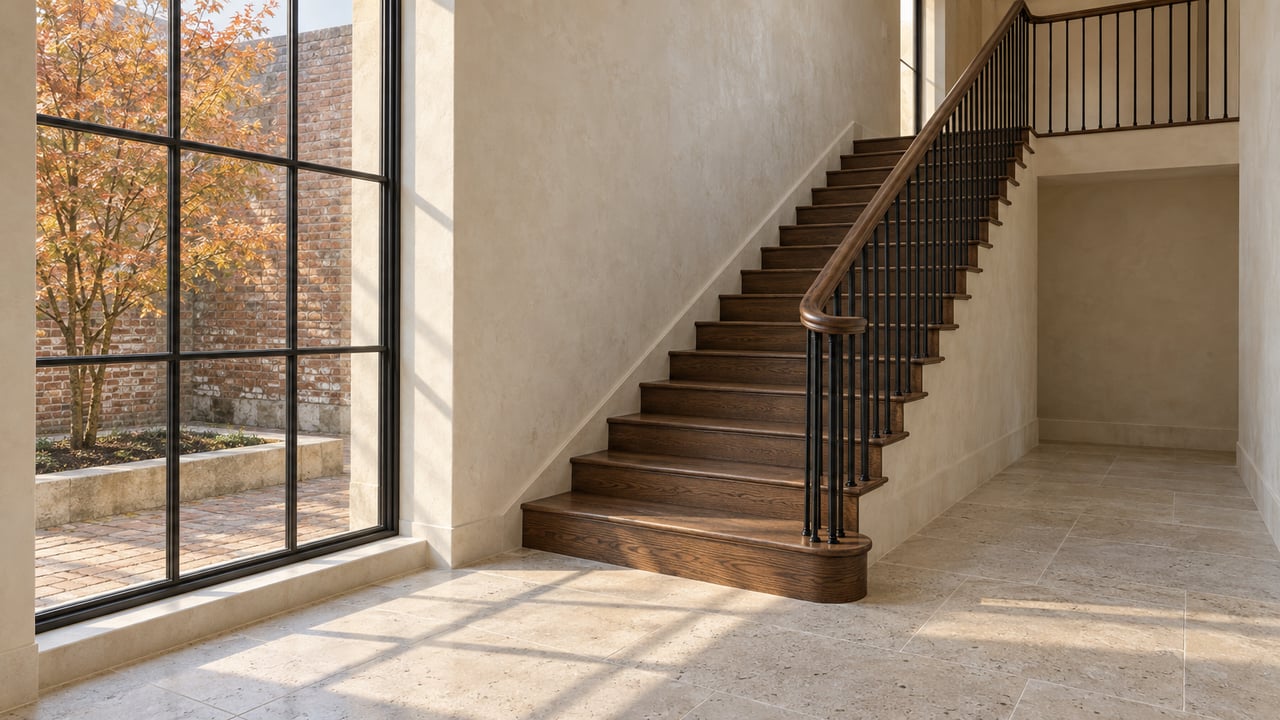
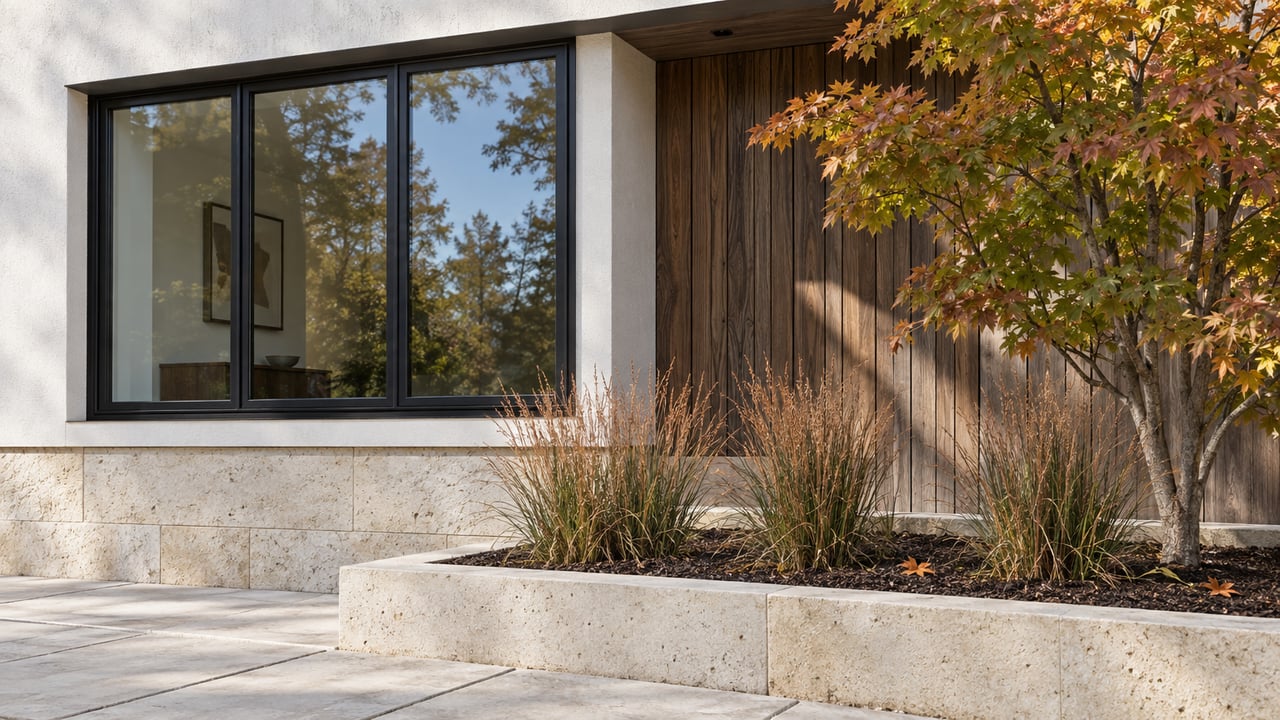
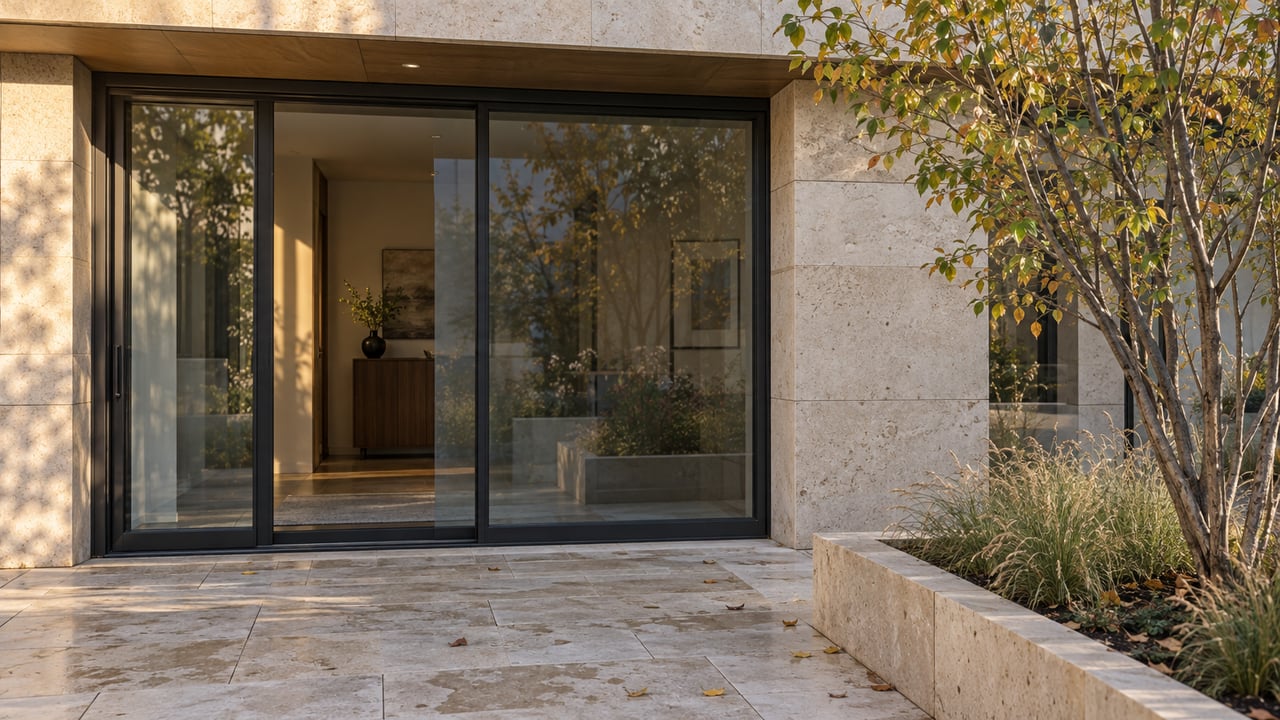
Newer homes and townhomes in Platt Park tend to compete on a different set of strengths. Instead of historic charm, they often offer newer systems, a more functional layout, and a lower-maintenance lifestyle.
That difference matters because not every buyer wants the same thing. Some buyers are drawn to design history and architectural texture, while others prioritize efficiency, interior flow, and fewer immediate projects.
New construction also tends to feel more turnkey. If you value updated infrastructure and modern day-to-day function, a newer home may justify a premium even when it lacks the period detail of an older property.
What Buyers Often Value in a Newer Home
- Newer systems and materials
- More contemporary floor plans
- Lower-maintenance living
- Function-forward design for current lifestyles
Bungalow vs. New Build: The Real Comparison
The clearest way to understand value in Platt Park is not to ask which product type is better. It is to ask what each type is offering and whether the price reflects that mix well.
A bungalow may win on charm, curb appeal, and architectural authenticity. A new build may win on efficiency, layout, and ease of ownership. In a neighborhood with multiple housing forms, those are different value packages.
Here is a simple comparison:
| Feature | Bungalow | New Build |
|---|---|---|
| Main appeal | Character and period detail | Function and newer systems |
| Street presence | Often porch-forward and classic | Often cleaner-lined and more contemporary |
| Maintenance profile | Can vary more by condition | Often lower in early ownership years |
| Layout style | May reflect older floor plans | Often designed for modern living |
| Buyer motivation | Architecture, charm, neighborhood fit | Convenience, efficiency, turnkey appeal |
Lot Size Can Matter as Much as the House
In Platt Park, land is a major part of the value conversation. Denver’s assessor makes public information available on lot size, zoning, style, year built, square footage, bedroom and bath count, and ownership history, and the city notes that a zone lot can differ from a subdivision lot and a tax parcel.
That matters in a neighborhood with older homes, duplexes, and infill. A compact lot, a larger parcel, or a site with alley access can influence value in ways that are not obvious if you are only looking at interior finishes.
For buyers, this means two homes with similar square footage may not offer the same utility. For sellers, it means your lot configuration may be part of the value story just as much as your kitchen or primary suite.
Walkability Adds Measurable Appeal
Platt Park’s walkability is not just a lifestyle perk. It is part of how buyers evaluate convenience and daily use. Redfin reports a Walk Score of 85, Transit Score of 57, and Bike Score of 84 for the neighborhood.
That helps explain why proximity to South Pearl Street can carry a premium. When you can easily walk to shops, dining, and neighborhood events, that access becomes part of the home’s overall usefulness and appeal.
Of course, there is balance here. Some buyers will pay more to be closer to the amenity core, while others may prefer a quieter interior block and see that as the stronger value.
Renovation Quality Matters More Than Renovation Age
One of the biggest mistakes in evaluating older homes is assuming newer always means better. In Platt Park, a well-executed renovation is often better defined by coherence and compatibility than by how recently the work was done.
Denver’s Landmark Preservation rules require review for certain exterior work on individual landmarks or buildings within historic districts, including some roof permits and other quick permits. City guidance also notes that exterior changes requiring building or zoning permits are reviewed when a property is a landmark or in a historic district.
For you as a buyer or seller, the practical point is this: quality should be judged by how thoughtfully the work fits the home. A renovation that respects the original structure and feels well integrated will often hold value better than a cosmetic update that feels disconnected.
Why Sale Date Matters in Pricing
When you compare homes in Platt Park, timing matters. Denver’s assessor says residential values are based on sales of similar homes in a 24-month period, and all real property is reappraised every two years in odd-numbered years.
That is one reason closed sale date is so important. A comparable from the right time window usually tells you more than an older or less relevant listing example, especially in a competitive neighborhood where condition and product type can shift buyer response quickly.
If you are pricing a home or trying to understand whether an asking price makes sense, context matters. Style, lot size, renovation scope, parking or alley access, and distance to South Pearl Street all deserve a close look alongside sale date.
How Sellers Can Position a Platt Park Home
If you are selling in Platt Park, the goal is not to force your home into a generic neighborhood average. The better strategy is to understand what your home does especially well and make that value story easy for buyers to see.
For a bungalow, that may mean emphasizing period detail, porch presence, lot utility, and the quality of any updates. For a newer build, it may mean highlighting layout efficiency, systems, finish consistency, and low-maintenance living.
In either case, presentation matters. In a market where many homes receive multiple offers and 29% of homes recently sold above list price according to Redfin, clear positioning can help buyers recognize value faster.
How Buyers Can Compare Homes More Clearly
If you are deciding between a Platt Park bungalow and a newer home, it helps to compare homes by category instead of by emotion alone. Ask what you are really paying for and which strengths matter most to your life.
A useful checklist includes:
- Sale date of relevant comparable homes
- Architectural style and neighborhood fit
- Lot size and site utility
- Interior square footage and layout
- Renovation quality and scope
- Parking setup or alley access
- Distance to South Pearl Street and daily amenities
- Whether the home offers charm, convenience, or a blend of both
That process usually leads to a better decision than focusing on price per square foot alone. In Platt Park, value is often more nuanced than that.
The Bottom Line on Platt Park Value
Platt Park bungalows and new builds can both command strong prices, but usually for different reasons. A bungalow often earns attention through charm, street presence, and architectural identity, while a newer home often earns it through function, efficiency, and ease.
The smartest way to understand value is to compare each home on its own mix of land, design, condition, and location. In a neighborhood as layered and walkable as Platt Park, that is where the real pricing story lives.
If you are thinking about buying or selling in Platt Park and want advice shaped around architecture, presentation, and neighborhood context, connect with the Trish & Maggie Team.
FAQs
How do Platt Park bungalows hold value compared to new builds?
- Platt Park bungalows and new builds often hold value for different reasons, with bungalows leaning on character and neighborhood fit, and new builds leaning on function, newer systems, and lower-maintenance living.
What affects home value most in Platt Park, Denver?
- In Platt Park, value is often influenced by location, lot size, walkability to South Pearl Street, architectural style, renovation quality, parking or alley access, and the timing of comparable closed sales.
Does being near South Pearl Street raise Platt Park home values?
- Homes with easy walking access to South Pearl Street may capture more convenience value because the corridor is a major neighborhood amenity and Platt Park has strong walkability metrics.
Should you compare Platt Park homes by price per square foot alone?
- No, because Platt Park includes very different housing types, and value often depends on a broader mix of land, style, condition, layout, and access to amenities.
Do older Platt Park homes need a different renovation lens?
- Yes, older homes are often best evaluated by how coherent and compatible a renovation feels with the original structure, not just by how recent or expensive the work appears.
Why does lot size matter in Platt Park real estate?
- Lot size matters because site utility can vary significantly in a mixed-housing neighborhood, and features like a larger parcel or alley access may affect value alongside the home itself.